SpaceX Eyes AI, TSMC Expands US Role, and Kalanick Critiques VC Culture: Daily Business Recap
What Happened
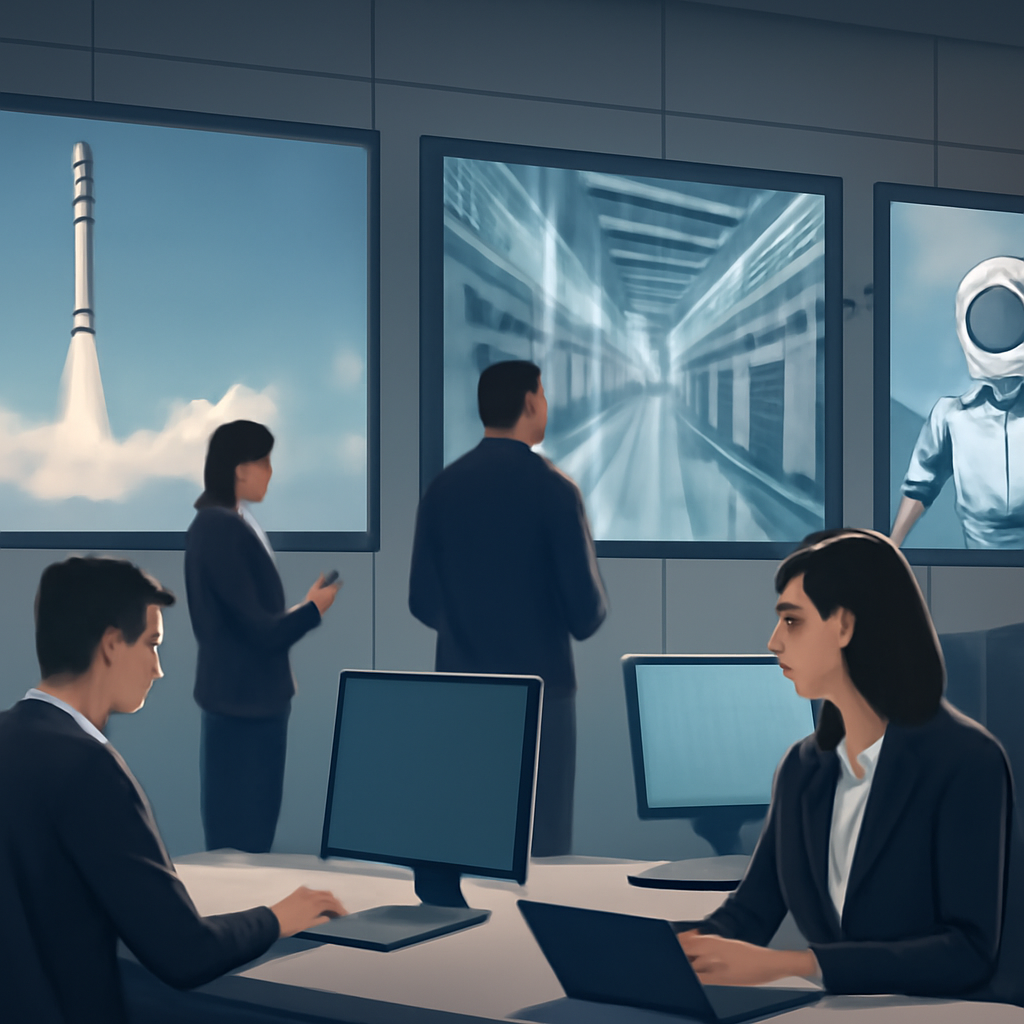
Today’s business headlines are dominated by three major developments: SpaceX’s ongoing interest in artificial intelligence startups, TSMC’s rising revenue share from its Arizona plant, and Travis Kalanick’s candid assessment of venture capitalists after a major funding round for his robotics venture.
First, just days after its $60 billion acquisition of Cursor, SpaceX reportedly attempted to buy another AI startup, Cognition. According to Bloomberg, the approach was rebuffed, with Cognition’s CEO stating that the company is not for sale and that no talks took place.
In semiconductor news, TSMC’s Arizona fabrication plant contributed more than 4% to the group’s total sales in the most recent quarter. Despite this growth, the company’s profit slipped below NT$19 billion, highlighting the shifting economics of chip manufacturing in the US.
Finally, Travis Kalanick, co-founder of Uber, has raised $1.7 billion for his new robotics company, Atoms. In a TechCrunch interview, Kalanick criticized the venture capital industry, stating that only a small fraction of VCs are genuinely helpful to founders.
Why It Matters
SpaceX’s pursuit of AI talent and technology signals the increasing importance of artificial intelligence across industries, including aerospace. The attempted acquisition of Cognition, following the Cursor deal, underscores the competitive landscape for leading AI startups.
TSMC’s growing US presence reflects broader trends in semiconductor supply chain diversification and the reshaping of global chip economics. The Arizona fab’s rising revenue contribution indicates progress but also comes with profitability challenges.
Kalanick’s comments on venture capital highlight ongoing tensions between founders and investors. His willingness to publicly critique the VC ecosystem, especially after securing a large funding round, may prompt further debate within the startup community.
Key Stats
- SpaceX acquired Cursor for $60 billion just five days before reportedly approaching Cognition.
- TSMC’s Arizona plant accounted for over 4% of group sales in Q2, with revenue topping NT$40 billion.
- TSMC’s Q2 profit slipped below NT$19 billion despite increased US output.
- Travis Kalanick’s new company Atoms raised $1.7 billion in its latest round.
- Kalanick claims only “1%” of VCs are helpful to founders.
What's Next
SpaceX is likely to continue seeking AI expertise to bolster its technological edge, potentially targeting other startups if Cognition remains off the market. TSMC’s Arizona fab will be closely watched as a bellwether for US chip manufacturing viability and its impact on the company’s overall profitability. Meanwhile, Kalanick’s critique may fuel ongoing conversations about the evolving relationship between founders and venture capitalists, especially as large funding rounds continue to shape the innovation landscape.