Science & Health Daily: Fingerprint Breakthroughs, Climate Warnings, and Medical Frontiers
What Happened
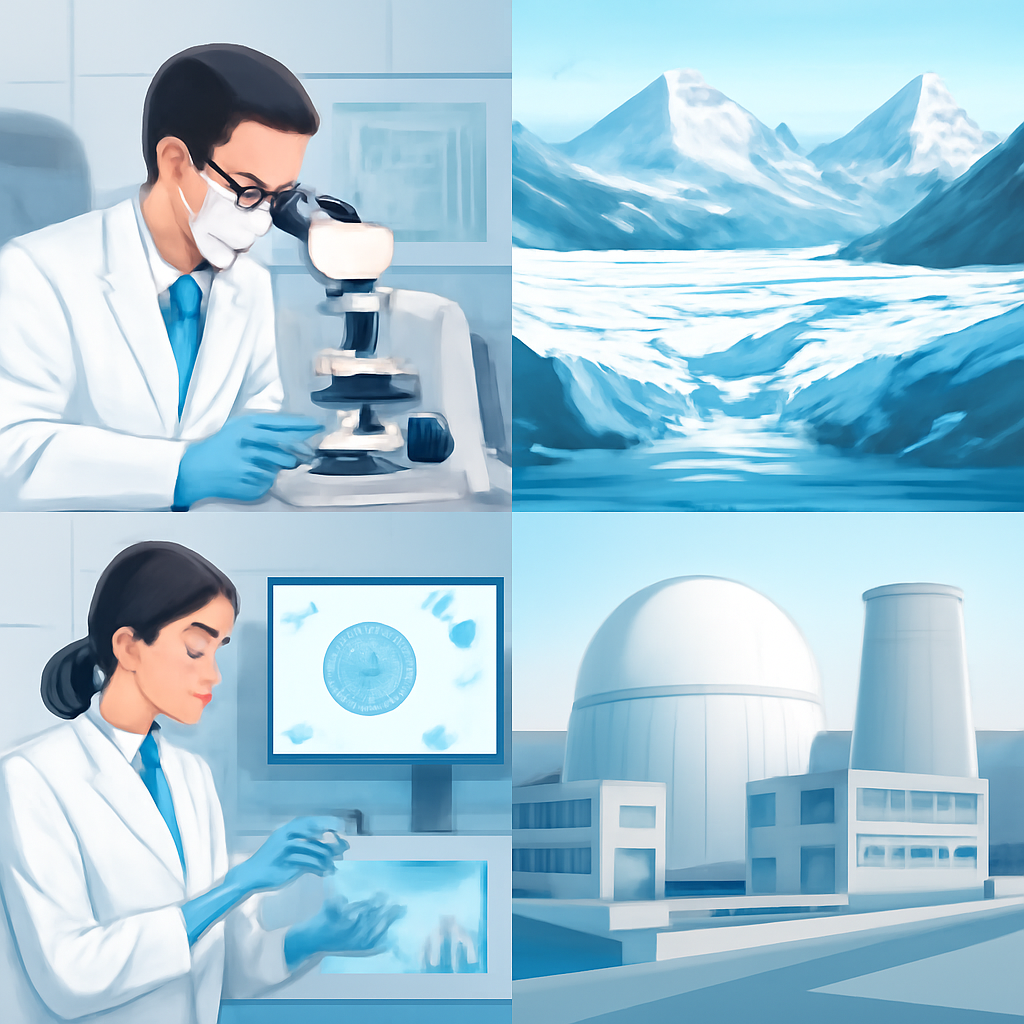
Today's science and health news spans a spectrum of breakthroughs and warnings. Forensic scientists have unveiled technology that could retrieve previously unrecoverable bullet fingerprints, potentially transforming crime investigations. Researchers link rising global temperatures to Nepal’s catastrophic floods, highlighting the role of climate change in glacial instability. In Europe, malaria's resurgence in Germany prompts public health concerns, while Italy faces another wave of extreme heat.
Medical innovation is also in the spotlight: researchers have engineered T cells using mRNA to better target cancer, and ingestible sensors promise more accurate internal temperature monitoring. Meanwhile, a startup has achieved a milestone by producing high-assay low-enriched uranium (HALEU), paving the way for next-generation nuclear reactors. Other developments include advances in sustainable adhesives and warnings about the cognitive risks of over-reliance on AI tools.
Why It Matters
These stories underscore how scientific progress and environmental change are reshaping health, safety, and technology. New forensic tools may help solve cold cases or exonerate the innocent. Climate-induced disasters and disease resurgence reveal the urgent need for adaptation and preparedness. Medical and technological advances—from cancer therapies to nuclear fuel—signal both hope and new challenges. At the same time, society must remain vigilant about the unintended consequences of digital reliance, especially as AI becomes integral to daily life.
Key Stats
- Nepal faces increasing flood risk as glacial retreat accelerates, with climate change cited as a key driver.
- Two Italian cities are under red alert for extreme heat today, rising to nine cities tomorrow.
- Actinide becomes the first startup to enrich uranium into HALEU, critical for advanced nuclear reactors.
- New ingestible sensors allow real-time internal temperature monitoring, enhancing care for at-risk patients.
- Studies show reliance on AI chatbots can reduce humans’ ability to spot misinformation.
What's Next
Expect law enforcement agencies to trial new fingerprint recovery tools, potentially reopening longstanding investigations. Climate adaptation strategies are likely to intensify in vulnerable regions, and European health officials may ramp up vector-borne disease surveillance. As advanced nuclear fuels like HALEU become available, more pilot reactor projects may launch. In medicine, personalized cancer immunotherapies and digital health monitoring will continue to evolve, but so too will debates about the cognitive and societal impacts of AI.