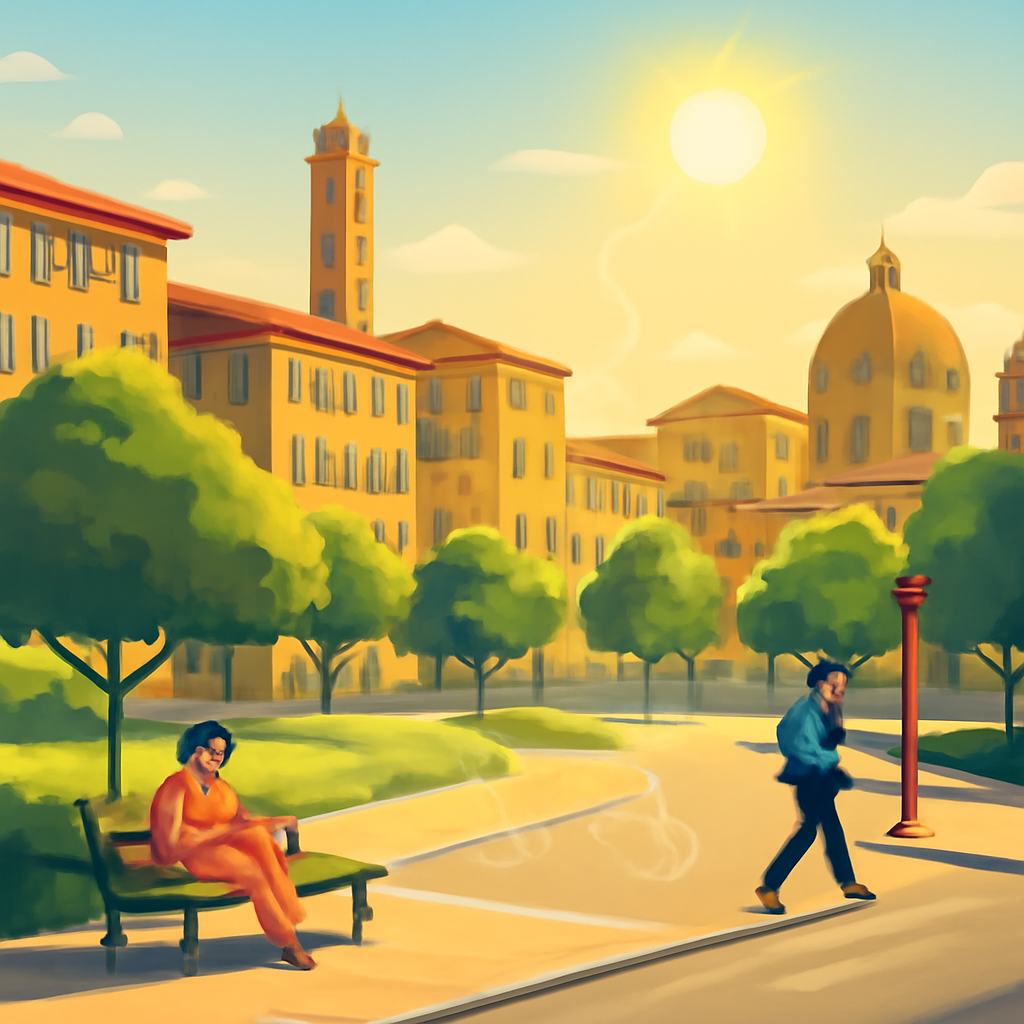
Late Summer Melancholy Postponed by Unrelenting Heatwave
What Happened
A recent article from Startupbusiness.it, citing Adnkronos, reports that the typical feelings of melancholy associated with the end of summer are being postponed in Italy. The reason? An intense and prolonged heatwave continues to grip much of the country, delaying the psychological cues that usually signal the close of the summer season. Traditionally, as temperatures cool and routines resume, many experience a sense of nostalgia or sadness marking the end of summer. However, with the heat refusing to subside, many Italians are finding that this annual transition is less pronounced this year.
Why It Matters
The seasonal shift from summer to autumn often brings changes not only in weather but also in mood and behavior. The persistence of high temperatures is disrupting this pattern, impacting lifestyles, work routines, and emotional wellbeing. Experts suggest that the lack of typical environmental signals—such as cooler evenings and changing foliage—can delay or alter the psychological processes that help individuals adapt to seasonal change. This phenomenon may have broader implications for mental health, productivity, and social habits as communities adjust to the realities of a changing climate.
Key Stats
- Italy has experienced above-average temperatures for over four consecutive weeks in August 2026.
- National meteorological services report nighttime lows remaining 3-5°C higher than seasonal norms.
- Surveys indicate a 28% drop in reported "end-of-summer blues" compared to previous years.
- Urban centers, including Rome and Milan, have seen extended periods of heat advisories, impacting outdoor activities and daily routines.
What's Next
Meteorologists predict that the heatwave could persist into early September, further delaying the usual seasonal transition. As a result, schools, businesses, and public services may need to adapt to continued high temperatures. Mental health professionals are monitoring the situation, noting that the eventual shift to cooler weather could bring a more abrupt emotional adjustment for many. There is also growing interest in how climate variability may reshape traditional cultural and psychological markers of the seasons in the years to come.