Media & Communications Daily Recap: Trust, Ownership, and the Shifting Digital Landscape
What Happened
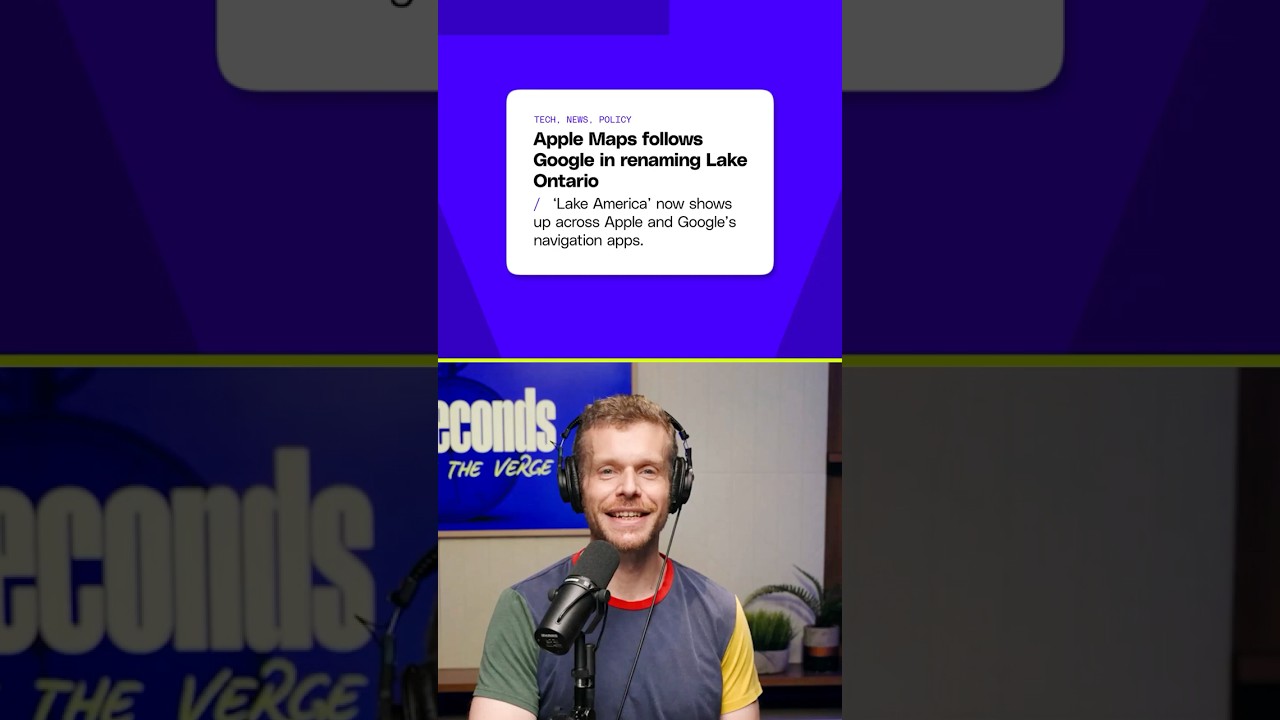
Today's top stories shed light on the ongoing transformation of how we engage with media and technology. Pin-Social founder Booker Loud warns of a crisis in public trust, driven by social media’s prioritization of attention over truth. Meanwhile, the concept of media ownership is challenged as consumers realize they never truly possess a definitive version of a movie. In entertainment, the creative team behind 'Coyote vs. Acme' reflects on the film’s conclusion, while director Kevin Macdonald shares insight into filming intense action with Gal Gadot for Prime Video’s 'The Runner.' On the tech front, Apple Maps follows Google in renaming Lake Ontario, and NYC implements a ban on AI use for students below high school. Finally, 'Newsonaut' explores the merging boundaries between inner and outer space, though details remain sparse.
Why It Matters
These stories collectively highlight the friction between technological innovation, media consumption, and societal trust. As social media platforms chase engagement, misinformation proliferates and public confidence in news continues to decline. The changing nature of digital ownership underscores the impermanence and fragmentation of media libraries. Simultaneously, evolving content delivery and policy decisions—like AI restrictions in education—reflect broader debates about technology’s role in shaping culture and behavior. These shifts impact not only what we watch and read, but also how we perceive reality and interact with information.
Key Stats
- Global trust in news sits at just 37%.
- 73% of Americans struggle to distinguish real from fake content online.
- NYC bans AI use for students until high school, reflecting growing concerns over AI in education.
- The proliferation of multiple versions of the same movie highlights the lack of definitive ownership in digital media.
What's Next
Expect continued scrutiny of social media’s influence on trust and information quality, with potential calls for regulatory intervention or platform redesigns focusing on authentic connection. The debate over digital media ownership is likely to intensify as streaming services, DRM, and content licensing evolve. In education, more jurisdictions may consider AI restrictions or guidelines as generative technologies proliferate. Finally, as entertainment and technology intersect, creative experimentation and policy responses will shape the future of how we experience media.