What Happened
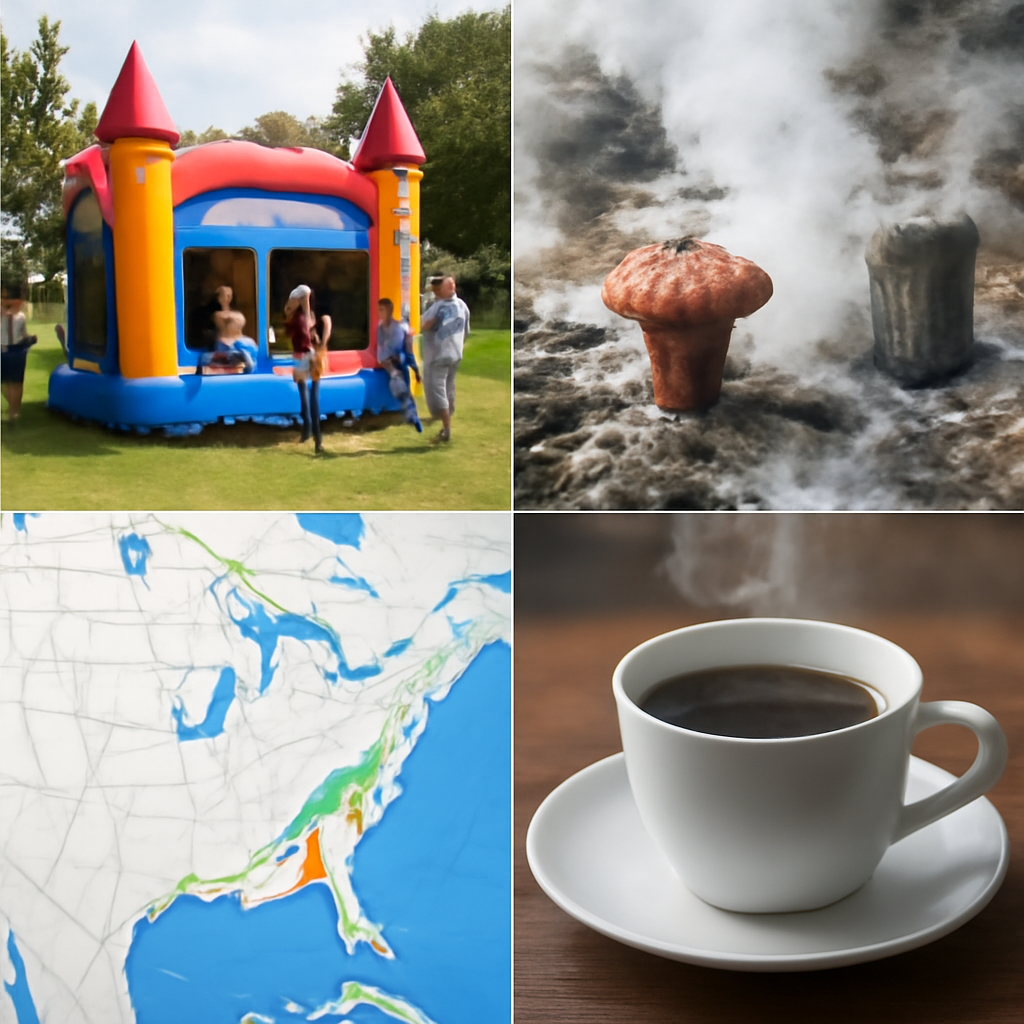
A varied set of science and health stories made headlines today. In Ireland, a bouncy castle event led to the largest community-acquired MRSA outbreak ever reported in the country, affecting dozens of children. In the US, new reports detailed the unusual and sometimes hazardous objects found in Yellowstone's hydrothermal vents. Climate scientists issued warnings about this year’s El Niño, noting its potential to create unprecedented weather patterns due to the combination of global warming and a rare El Niño type not seen since the late 1990s. Meanwhile, Italy experienced relief from an extended heatwave, though a new Atlantic weather system is expected soon. Finally, new scientific findings highlighted the elevated risk of esophageal cancer linked to drinking very hot coffee or tea, reinforcing long-standing dietary advice.
What Changed
The MRSA outbreak in Ireland represents a significant escalation in community-acquired infections, with 47 children affected in a single afternoon. This underscores the risks associated with communal activities and superbug transmission. The unusual debris discovered in Yellowstone’s hydrothermal features continues to raise safety and environmental concerns. On the climate front, experts are sounding the alarm about this year’s El Niño, which could introduce weather extremes that current climate models cannot accurately predict. Italy's brief respite from oppressive heat marks a notable shift in weather patterns, while the cancer risk findings may influence public behavior regarding beverage consumption temperatures.
Why These Stories Matter Together
These stories collectively highlight the interconnectedness of public health, environmental stewardship, and scientific vigilance. Disease outbreaks in social settings, environmental hazards in protected natural areas, and the unpredictable consequences of climate change all require robust scientific understanding and coordinated public response. Additionally, evolving evidence around cancer risks from common habits such as drinking hot beverages demonstrates the ongoing importance of research in shaping everyday health choices.
Key Stats
- 47 children were affected by a single MRSA outbreak linked to a bouncy castle event, marking the largest community-acquired incident ever reported in Ireland (source).
What's Next
Public health authorities may review safety protocols for communal events in light of the MRSA outbreak. Ongoing monitoring of Yellowstone’s hydrothermal features is likely as unusual debris continues to surface. Climate scientists are expected to closely watch the progression of this year’s El Niño, with potential adjustments to weather advisories as new patterns emerge. Individuals may also reconsider beverage habits based on updated cancer risk data. For continued updates and more in-depth coverage, visit the Science topic page.
Related on DailyDrops
- Trending now: Top News
- Read next: Mars Mysteries, Climate Policy Shifts, and Health Risks: The Day in Science & Health