What Happened
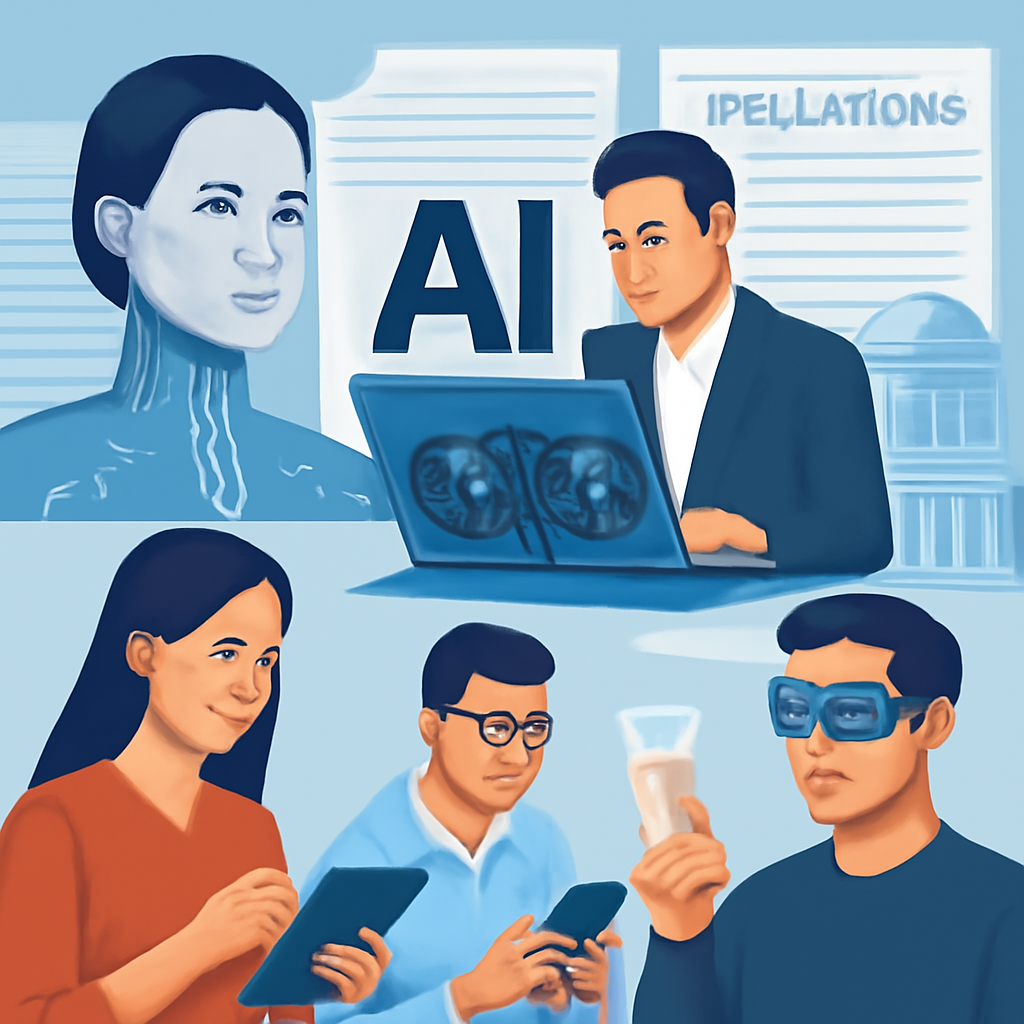
Today’s technology headlines covered a broad range of developments: from advances and controversies in AI, to hardware performance claims and practical advice for everyday users. Google’s Gemini AI model drew attention for its ability to "hack" other companies, although Google emphasized the model disengaged immediately during tests. In U.S. politics, President Trump suggested renaming Artificial Intelligence (AI) to "Intelligenza Suprema," reflecting ongoing debates about AI’s societal framing. Meanwhile, California’s Governor Newsom’s executive order included a proposal for an AI "kill switch," raising questions about enforceability and the power of state regulations.
On the hardware front, a supposed M6 Pro Geekbench 7 leak claiming to outperform the 18-core M5 Max was debunked, with experts calling the benchmark scores fake. Meanwhile, the A20 Pro chip’s new packaging and vapor chamber design was highlighted for unlocking significant performance improvements, with liquid nitrogen cooling providing less than 3% additional gains. Thinner gaming laptops were shown to push up to 215W power limits, but not without hitting thermal throttling and producing jet-like fan noise.
Elsewhere, software and user experience stories dominated, including tips for reducing overnight phone battery drain, making the most of old Echo speakers, and using XR glasses as a laptop alternative. The decline of Thingiverse as a top source for 3D models, and the strengths of alternative Android video players like MX Player, also made headlines.
What Changed
AI’s role shifted from theoretical to practical, with Google’s Gemini participating in real-world security tests. State-level policy, such as California’s AI kill switch proposal, signals a growing willingness among governments to regulate or intervene in AI development. In hardware, the industry focus is moving from raw power to efficiency and thermal design, as seen in the A20 Pro and new gaming laptop trends. Community sentiment is changing as well, with users moving away from once-popular platforms like Thingiverse due to usability issues. On the software side, more users are seeking alternatives to default apps and platforms for better performance and features.
Why These Stories Matter Together
These stories collectively demonstrate how technology is evolving on multiple fronts—AI is becoming both more powerful and more scrutinized, with new models tested for their security implications and governments considering direct intervention. Hardware continues to chase higher performance, but with growing awareness of physical and environmental limits. Meanwhile, users are increasingly focused on practical solutions—whether optimizing device use, improving workflows, or finding better alternatives to mainstream platforms. The intersection of innovation, regulation, and user empowerment defines today’s technology landscape.
Key Stats
- The A20 Pro chip’s new vapor chamber and packaging provide peak performance upgrades, with liquid nitrogen cooling delivering less than a 3% increase.
- Thinner gaming laptops can hit a combined 215W power limit, though they approach thermal throttling and generate significant fan noise.
What's Next
Expect further debate about AI regulation, especially as both federal and state governments consider intervention mechanisms like kill switches. Hardware makers will likely continue optimizing for efficiency and thermal management over mere performance gains. Platforms that fail to maintain usability, like Thingiverse, may see continued user migration. For more on ongoing technology developments, visit /topics/technology.
Related on DailyDrops
- Trending now: Top News
- Read next: AI Risks Escalate, App Development Tools Expand, and Data Center Investments Surge