From DNA Legacies to AI Reefs: The Day in Science & Health
Today’s Science & Health headlines span the monumental—marking the end of an era with the death of DNA co-discoverer James Watson—to the cutting edge, as artificial intelligence and new technologies reshape how we monitor reefs, track our health, and even conserve wildlife. Here’s a comprehensive look at the most significant developments from November 7, 2025.
What Happened
Remembering a Complicated Scientific Giant
James Watson, who, with Francis Crick, unveiled the double-helix structure of DNA, died at 97. Watson’s contributions to molecular biology remain foundational. However, his later years were marked by controversy, as he was ostracized for repeated racist and sexist remarks. His passing closes a chapter on one of biology’s most influential—yet divisive—figures.
Digital Health and Sleep
In medical tech, BIDSleep, a new Apple Watch app, promises to bring sleep studies to consumers’ wrists. Developed using the Apple Watch Series 6, it aims to monitor sleep disorders outside the traditional clinic. Meanwhile, a recent study suggests that using smartphones at bedtime might not be as detrimental to sleep health as previously thought, with some screen users reporting the best overall sleep quality.
Environmental and Conservation Frontiers
California’s Salton Sea continues to pose health risks: UC Riverside researchers found that its toxic dust can rapidly alter the lung microbiome, raising concerns for local communities. Meanwhile, in Canada, a controversial cull of 400 ostriches was launched to contain avian flu, paralleling the United States’ approval of a divisive plan to kill 500,000 barred owls as part of a conservation effort.
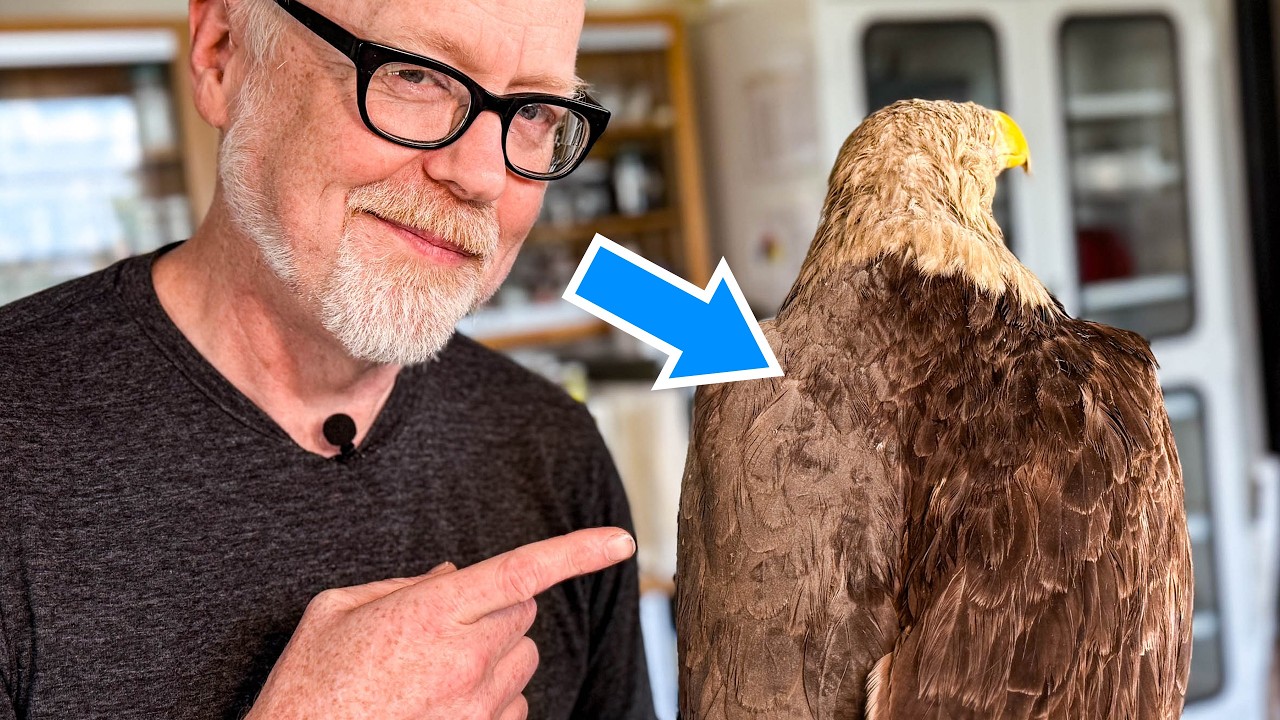
In more hopeful conservation news, taxidermy experts at the National Park Service Museum Conservation Lab detailed their meticulous process for restoring bald eagle specimens, navigating the legal and ethical complexities of working with protected species.
Human Origins and Technological Continuity
Two articles highlighted how early hominins used the same stone tool technology for up to 10,000 generations—longer than Homo sapiens have existed. Advanced 2.5-million-year-old tools discovered in Africa may push back the timeline of technological development, challenging assumptions about the pace of innovation in human prehistory.
Underwater Living and Coral Conservation
The startup Deep is set to launch Vanguard, the first new subsea research habitat in four decades, where scientists will live and work on the ocean floor for extended periods. Complementing this, researchers unveiled DeepReefMap, an AI-powered system that rapidly and accurately surveys coral reefs using low-cost cameras and neural networks. In a major deployment across the Red Sea, DeepReefMap analyzed over 184 hours of footage from 45 sites, providing detailed 3D maps of reef health.
AI and Health Prediction
Artificial intelligence made further inroads into health, with new machine learning models now able to predict health scores based on lifestyle data—diet, exercise, and sleep—potentially allowing for proactive wellness interventions.
The Future of Cloning and Pet Health
Cloning, often associated with celebrity pets, is also being used to preserve endangered species. Meanwhile, experts warn that most pets are overweight, but offer evidence-based guidance for owners to better manage animal health.
Space and Celestial Events
Canada’s investment in sovereign launch capabilities and India’s growing space program were in the spotlight, as Europe’s Ariane 6 successfully sent an environmental monitoring satellite into orbit. Stargazers were also encouraged to follow the trajectory of interstellar comet 3I/Atlas, which has just passed its closest approach to the sun.
Why It Matters
Today’s stories reflect the evolving landscape of science and health:
- The death of James Watson prompts reflection on both the promise and pitfalls of scientific legacy.
- The merging of wearables, AI, and remote sensing is democratizing health monitoring and environmental conservation, making critical data more accessible and actionable.
- Conservation strategies—ranging from mass culls to high-tech restoration and monitoring—underscore the tension between human intervention and ecological stewardship.
- Discoveries about ancient tools and new subsea habitats expand our understanding of both our past and our potential futures, highlighting the continuity and adaptability of human ingenuity.
Key Stats
- 10,000 generations: Duration early hominins used the same stone tool technology.
- 184 hours: Amount of video footage collected for DeepReefMap’s Red Sea coral survey.
- 200,000+: Number of annotated polygons in DeepReefMap’s semantic segmentation dataset.
- 500,000: Number of barred owls targeted in a controversial U.S. conservation cull.
- $50,000: Cost to clone a pet using current technology.
What's Next
Expect continued public debate over the ethical boundaries of conservation—whether in the culling of wildlife or in the legalities of restoring protected species. AI-driven monitoring in both health and ecology is poised for rapid adoption, with tools like DeepReefMap and health prediction models likely expanding worldwide. As new habitats like Vanguard come online, and AI empowers both researchers and consumers, the boundaries between science, technology, and daily life will only grow more interconnected.
The passing of James Watson may also prompt renewed discussion about the responsibilities that come with scientific discovery—and the importance of ensuring that science serves all of humanity.