Science & Health Daily: Breakthroughs, Controversies, and the Resilience of Life
Today's Science & Health news cycle was defined by a mix of breakthroughs, controversies, and new insights into how technology, medicine, and the natural world intersect. From challenges to established medical guidelines, to advances in brain-computer interfaces, and surprising findings from outer space, the landscape is shifting rapidly. Here’s what you need to know.
What Happened
Medical Research and Health Policy
A group of experts is calling for a change in clinical guidelines after new analysis suggests Prozac offers no significant benefit over placebo for treating depression in children. This finding reignites debates over the widespread prescription of antidepressants for young people and the potential risks involved.
Elsewhere, the CDC has come under fire for promoting a debunked link between vaccines and autism, a move that has alarmed public health professionals given the potential to fuel vaccine hesitancy. Meanwhile, Manchester’s care board has decided to further delay joining the Palantir NHS data platform, citing concerns about the platform’s suitability for public interest.
Innovation in Medical Technology
The FDA has given approval to Paradromics to begin clinical trials of a high-bandwidth brain implant designed to restore speech in people with severe movement limitations. At the same time, new applications of AI are emerging, with GPT-5 being used in medical research, promising both speed and breadth in data analysis and discovery.
On the consumer tech front, an ex-Bose engineer has introduced smart earrings that monitor blood flow, exercise, and sleep, expanding the reach of wearable health technology. Polar’s new rugged sports watch, the Grit X2, also earned recommendations for its reliable health tracking.
Food, Environment, and Technology
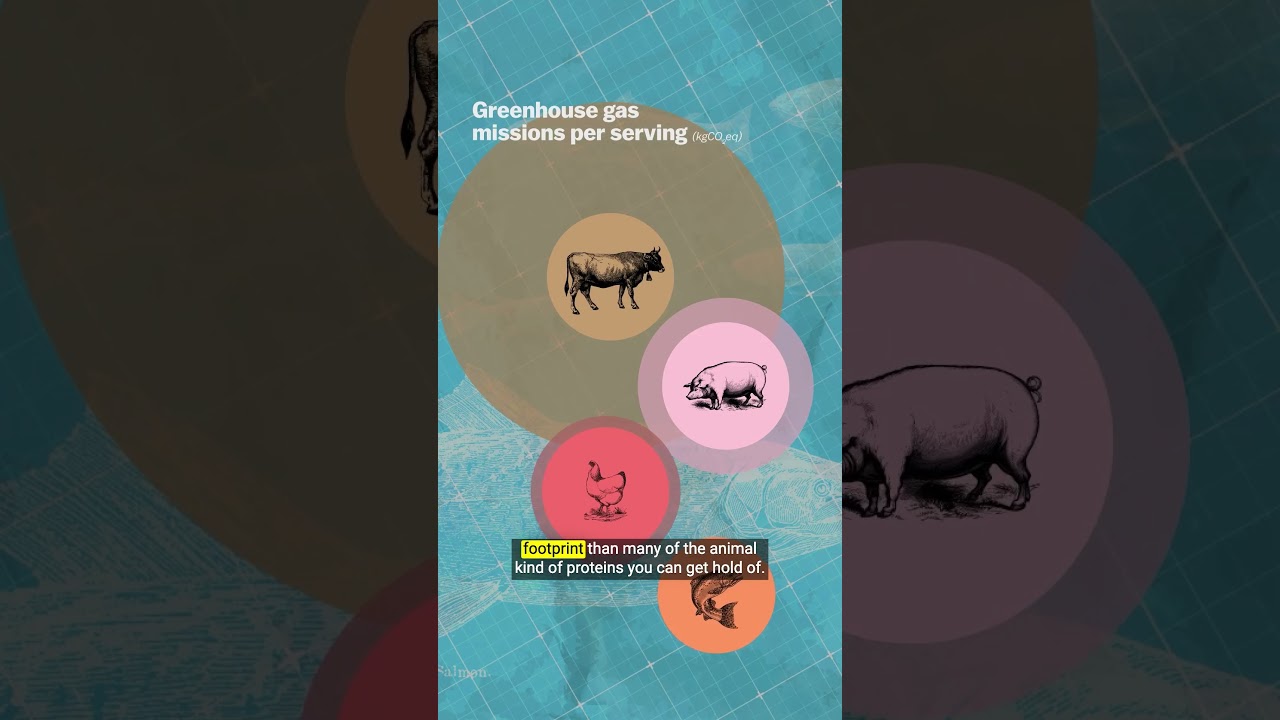
Debate continues around the future of food production: a Vox investigation examined whether salmon farming could be a sustainable answer to feeding the world. Meanwhile, baby formula maker ByHeart confirmed the presence of bacteria amid a botulism outbreak, raising questions about food safety.
Climate and environmental anomalies made headlines, too. Snow fell in Hawaii while Denver saw delays to its winter season. In Russia, the Krasheninnikova volcano continued erupting months after awakening from centuries of dormancy, as observed by NASA satellites.
Space and Life Sciences
A NASA space telescope is at risk of falling from orbit, but an ambitious startup aims to save it with a novel spacecraft launch. In planetary science, new research suggests that Earth and the Mars-sized object that formed the Moon originated from the same region of the solar system. Maya astronomy also got a spotlight, with a study revealing how the civilization created remarkably accurate eclipse tables.
In space biology, moss samples survived nine months outside the International Space Station (ISS) and continued growing back on Earth, underscoring the resilience of life. And on the technology frontier, drones are transforming marine mammal research by providing new aerial perspectives.
Why It Matters
These developments reflect a period of transition and debate in science and health. The challenge to Prozac’s efficacy in children could reshape psychiatric practice and pharmaceutical policy. The CDC’s vaccine communication misstep highlights the fragility of public trust in health authorities. FDA approval for brain-computer interface trials marks a turning point in neurotechnology, holding promise for people with severe disabilities, and the continued integration of AI like GPT-5 into research could accelerate medical breakthroughs.
Environmental and climate stories, from volcanoes to unseasonal snow, remind us of the dynamic and often unpredictable nature of our planet. Meanwhile, advances in wearable technology and sustainable aquaculture point to evolving approaches in monitoring health and feeding populations.
Key Stats
- Over 1,000 online courses now available via StackSkills’ EDU Unlimited platform.
- Paradromics’ FDA-approved brain implant trial targets individuals with extremely limited movement, focusing on speech restoration.
- The Krasheninnikova volcano in Russia has been erupting for several months after a 500-year dormancy, as seen by NASA satellites.
- Salmon farming is the fastest-growing form of food production globally.
- Moss survived 9 months outside the ISS and resumed growing back on Earth, demonstrating unexpected biological resilience.
What's Next
Expect ongoing debate over pediatric antidepressant guidelines and increased scrutiny on public health messaging. The Paradromics brain implant trial will be closely watched for its implications on medical device approval and neurotechnology. AI’s expanding role in research will raise both hopes and new ethical questions. In space, efforts to save the Swift observatory could establish new norms for satellite rescue. As climate and environmental anomalies persist, researchers and policymakers will face pressure to adapt responses and plan for greater unpredictability. Finally, the convergence of wearable tech and personalized health monitoring is set to accelerate, bringing new opportunities—and challenges—for consumers and clinicians alike.