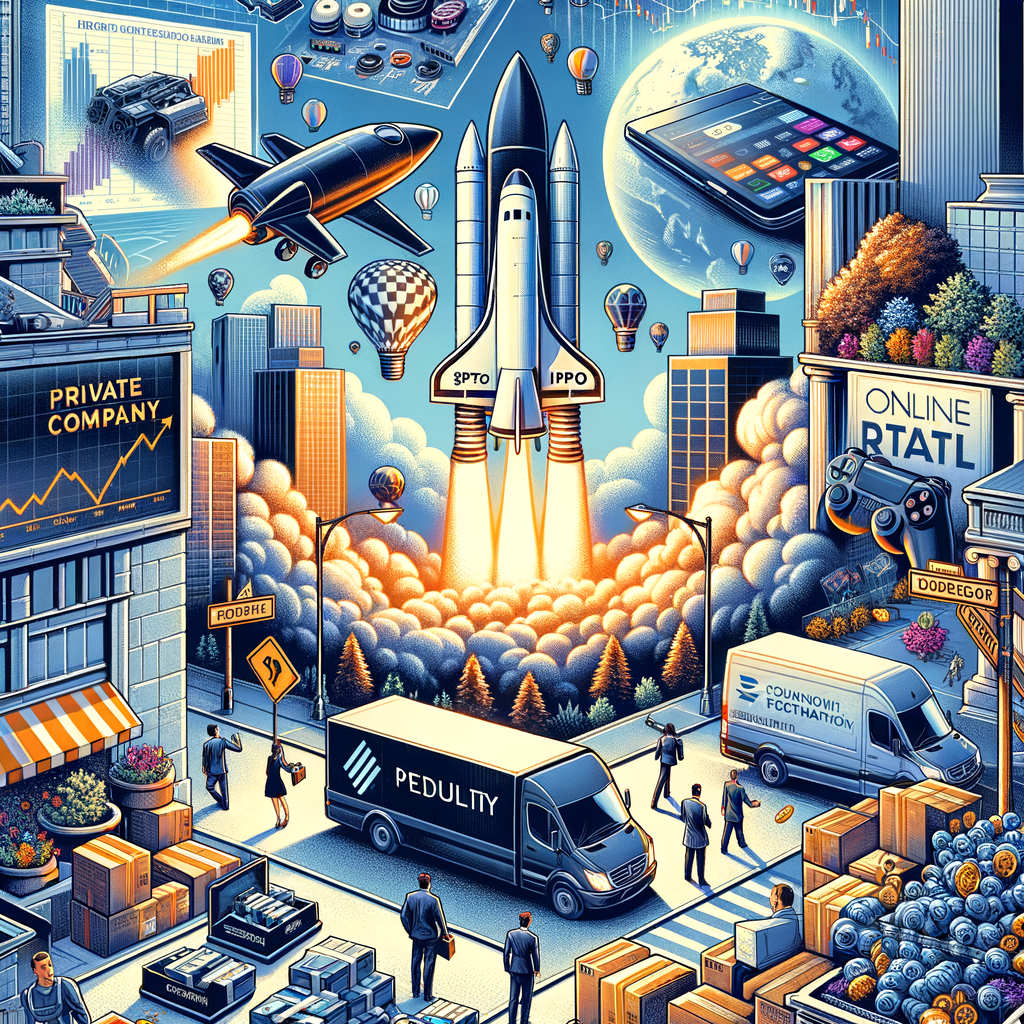
Business in Flux: SpaceX Eyes IPO, Amazon Doubles Down, and Tech Giants Face Disruption
Today’s business landscape is marked by transformative decisions, strategic pivots, and significant financial moves across the tech and corporate sectors. From SpaceX’s long-awaited plans to go public, to Amazon’s massive investments in India and grocery delivery, and Nintendo’s market turbulence, the day highlights how innovation and competition are reshaping global business.
What Happened
SpaceX Plans Public Offering and AI Expansion
After years of speculation and resistance, SpaceX is preparing to go public. The company, led by Elon Musk, is reportedly positioning for a 2026 IPO, with a focus on leveraging artificial intelligence in its satellite networks. The move is seen as both a capital-raising effort and a bid to stay competitive in the emerging space-AI nexus.
Amazon Accelerates Domestic and International Growth
Amazon announced same-day delivery for perishable groceries in over 2,300 US cities, with plans to expand further in 2026. Separately, the company committed to investing an additional $35 billion in India by 2030, bringing its total planned spending there to $75 billion. These investments aim to digitize small businesses and reinforce Amazon’s logistics footprint in critical markets.
Nintendo Faces Market Headwinds
Nintendo lost $14 billion in share value due to escalating costs of manufacturing the upcoming Switch 2 console, driven primarily by global memory chip shortages. This underscores the ongoing supply chain challenges facing the tech industry.
Corporate Innovation, M&A, and Startup Highlights
Several Italian startups took center stage at Slush in Helsinki, reflecting the growing influence of European tech. Meanwhile, Borgosesia acquired Oneosix for €5.5 million, and Supersonic secured a $300 million funding round. OpenAI made headlines by hiring Slack’s CEO as its chief revenue officer, signaling aggressive commercial ambitions.
Brand and Media Turbulence
The ongoing bidding war for Warner Bros. continues without a clear resolution, while "Operation Bluebird" aims to relaunch the “Twitter” brand after its abandonment by Elon Musk’s X. This reflects the volatility and value of legacy tech branding.
Why It Matters
These developments highlight the increasingly interconnected nature of global business. SpaceX’s IPO signals a maturation of the commercial space sector and the integration of AI into critical infrastructure. Amazon’s investments reveal the importance of logistics and digital transformation in both developed and emerging markets. Nintendo’s struggles remind investors of the fragility of supply chains, even for industry leaders. Meanwhile, corporate innovation, high-profile hiring, and the scramble for iconic brands illustrate the relentless pace of change and competition in tech and media.
Key Stats
- SpaceX targets a 2026 IPO as AI becomes central to its orbital strategy.
- Amazon will invest an additional $35 billion in India by 2030, totaling $75 billion.
- Nintendo’s share value dropped by $14 billion due to Switch 2 memory chip shortages.
- Over 2,300 US cities now have access to Amazon’s same-day perishable grocery delivery.
- Supersonic raised $300 million in a single funding round to expand gas turbine technology.
What's Next
Looking ahead, SpaceX’s public offering will be closely watched as a bellwether for the space and AI sectors. Amazon’s continued expansion suggests intensifying competition in logistics and e-commerce, particularly as it digitizes small businesses abroad. The tech industry’s supply chain vulnerabilities are likely to persist, influencing both manufacturing and investment strategies. Meanwhile, further consolidation and rebranding efforts in media and tech indicate ongoing volatility—and opportunity—for those able to adapt. Expect more strategic hires, M&A activity, and bold capital allocations as companies navigate an increasingly complex business environment.