Space Dangers, Smart Rings, and Gaming Rodents: Science & Health Updates for December 13, 2025
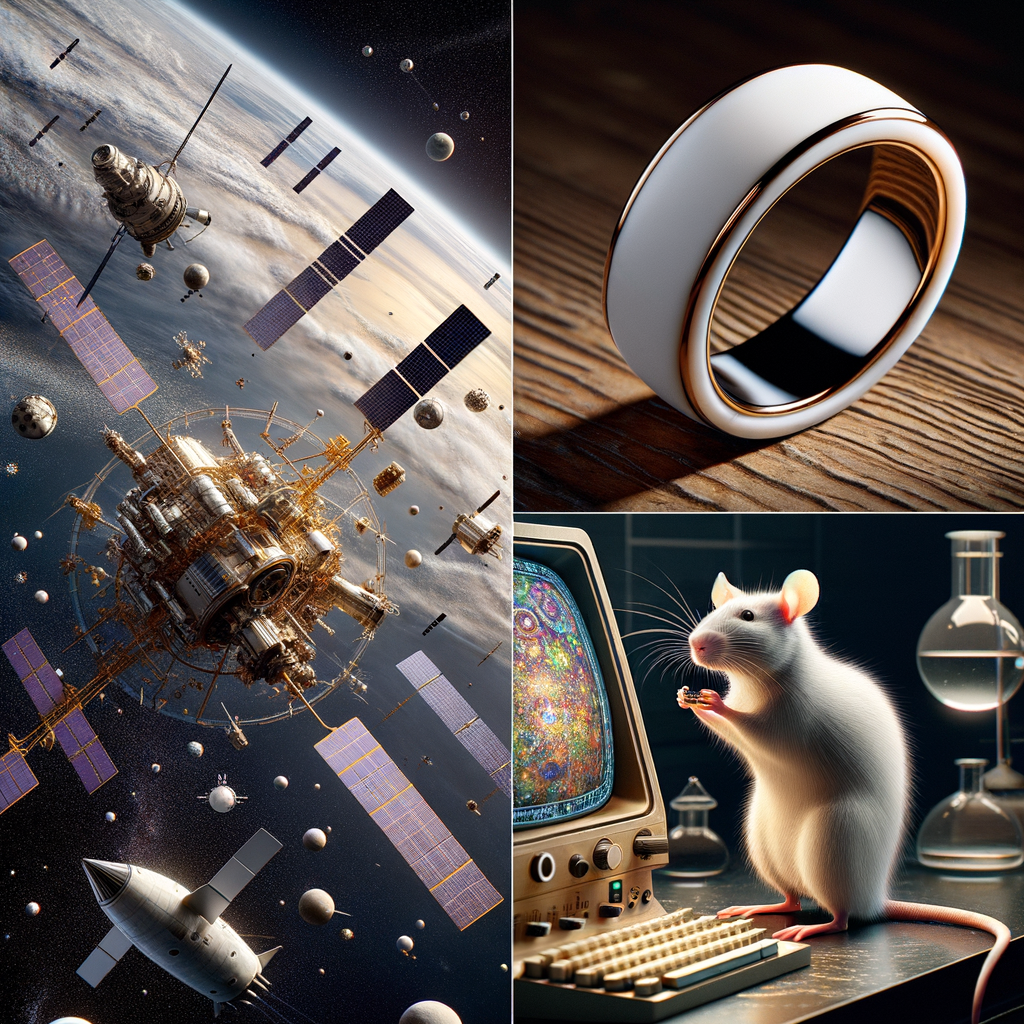
Today in Science & Health, the headlines span from the challenges of an increasingly crowded low-Earth orbit to a luxurious health wearable, and even a unique experiment where rats interact with classic video games. Whether tracking potential satellite collisions or exploring the intersection of technology and biology, these stories highlight the diverse ways science continues to impact daily life.
What Happened
Satellite Collision Risks and the CRASH Clock
A new scientific paper has proposed a "CRASH Clock"—a warning system designed to assess and communicate the risk of satellite collisions in Earth's orbit. As the number of satellites soars, particularly with the rise of mega-constellations for internet coverage and Earth observation, the risk of catastrophic collisions grows. The proposed CRASH Clock would serve as a clear, centralized indicator of imminent threats, much like the Doomsday Clock for global nuclear risk. This tool aims to help governments, companies, and the public monitor collision risk levels and potentially avert disaster.
Oura Ring 4 Ceramic: More Than Just a Health Tracker
The Oura Ring 4 Ceramic has arrived, blending fashion with health technology. This latest iteration of the popular smart ring doubles as a status symbol and a comprehensive health tracker, monitoring metrics such as sleep, activity, readiness, and heart rate. Currently discounted by $75 at Best Buy, the Oura Ring 4 Ceramic is making advanced health tracking more accessible, while its sleek ceramic finish appeals to style-conscious consumers. Early adopters are praising its comfort, battery life, and discreet design.
Rats Play Doom: A New Frontier in Behavioral Science
In a creative twist on animal research, scientists have enabled rats to interact with the classic video game Doom. Using a combination of custom hardware and behavioral training, researchers observed how rodents navigated virtual mazes and responded to game stimuli. While the summary is limited, this experiment reflects ongoing efforts to study animal cognition and neural processes in novel, interactive settings.
Why It Matters
The growing congestion in Earth's orbit poses real threats to global communications, navigation, and safety. The CRASH Clock proposal could become a vital tool for transparency and coordination among satellite operators, potentially preventing multi-billion-dollar losses from collisions. Meanwhile, the Oura Ring 4’s fusion of luxury and utility signals a broader trend in consumer health technology, where aesthetics and advanced functionality converge. Finally, the "Rats Play Doom" experiment exemplifies the expanding frontier of animal research, opening new possibilities for studying brain-computer interfaces and comparative cognition.
Key Stats
- The number of active satellites in orbit surpassed 8,000 in 2025, a figure expected to double within five years.
- Oura Ring 4 Ceramic is currently listed at $75 off its retail price at Best Buy, making it one of the most accessible luxury health wearables.
- Behavioral studies involving rodents and video games like Doom are part of a growing field exploring animal cognition with interactive technology.
What's Next
The CRASH Clock proposal is likely to spark discussions among satellite operators, international regulators, and insurers, potentially accelerating the development of global space traffic management standards. As wearable technology continues to blend fashion with function, more companies are expected to follow Oura’s lead, further personalizing health data. On the research front, experiments integrating animals with digital environments are poised to yield fresh insights into learning, perception, and the brain—possibly informing future advances in AI and neuroprosthetics.