Genetic Testing Dilemmas and Southeast Asia's Space Ambitions: Key Trends in Science & Health
Today's headlines in science and health highlight emerging crossroads. Expanded carrier screening is becoming more accessible, but its value and potential pitfalls remain contested. Meanwhile, Southeast Asia is looking to carve out its own trajectory in the space industry, as seen at the Thai Space Expo. And on the technology front, a new partnership between OpenAI and Disney hints at the deepening integration of artificial intelligence into creative industries.
What Happened
Expanded Carrier Screening: The Pros, Cons, and Complexities
Expanded carrier screening (ECS) is now widely available, offering prospective parents the ability to test for hundreds of genetic conditions. While the technology promises early detection of potential health risks for future children, the proliferation of tests has outpaced consensus on who should use them—and for what reasons. Critics argue that ECS can lead to unnecessary anxiety, ambiguous results, and ethical dilemmas, especially when tests flag rare or poorly understood genetic variants. Proponents believe ECS empowers informed decision-making. The debate centers on the question: Just because we can screen for more conditions, does that mean we should?
Southeast Asia’s Space Aspirations Spotlighted at Thai Space Expo
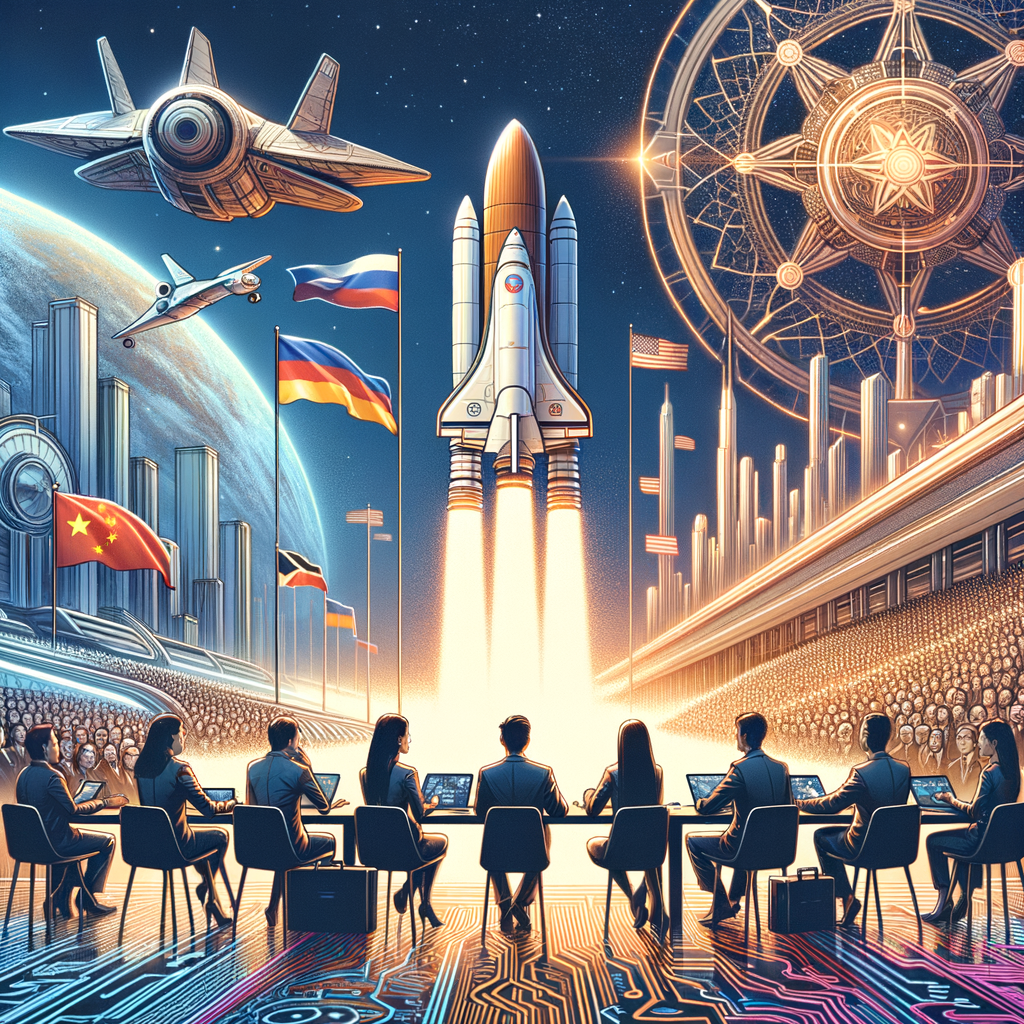
At the Thai Space Expo, industry leaders, policymakers, and scientists gathered to discuss Southeast Asia’s growing ambitions in the global space sector. The region, historically a consumer rather than a producer of space technologies, is now investing in homegrown satellite launches, research, and educational initiatives. Panel discussions explored how Southeast Asian nations could collaborate to close technological gaps, build regional capacity, and foster private-public partnerships to propel their space programs forward. The event signaled a shared aspiration: ensuring Southeast Asia is not left behind in the new space race.
The Download: OpenAI and Disney’s Major AI Deal
In a move that could reshape entertainment, OpenAI and Disney have inked a significant deal to collaborate on artificial intelligence projects. While details remain limited, the partnership is expected to accelerate the integration of advanced AI in content creation, distribution, and audience engagement. This agreement underscores the growing importance of AI in industries beyond tech, as creative sectors seek new tools for innovation and efficiency.
Why It Matters
The rapid expansion of genetic screening technologies is forcing a reckoning about the limits—and responsibilities—of preventative health. As more conditions become testable, individuals and clinicians face difficult decisions about which results are actionable and how to interpret uncertain findings. The ECS debate highlights broader questions about the role of medical technology in personal and reproductive choices.
Southeast Asia’s space ambitions are noteworthy because they represent a strategic pivot for the region. By investing in space, Southeast Asian countries aim to drive economic development, enhance disaster management, and foster STEM education. Their progress could shift the balance of innovation in the Asia-Pacific and create new opportunities for regional collaboration.
Finally, the OpenAI-Disney deal illustrates how AI is becoming foundational not just in traditional tech sectors but across the entire cultural landscape. As AI-generated content and creative tools proliferate, we are likely to see new forms of storytelling—and new debates around authenticity and intellectual property.
Key Stats
- Expanded carrier screening can now test for over 200 genetic conditions in a single panel.
- Southeast Asia’s space sector is valued at approximately $13 billion, with projections of rapid growth over the next decade.
- The Thai Space Expo attracted attendees from more than 10 countries, including regional policymakers and industry leaders.
- OpenAI and Disney’s AI deal marks one of the largest collaborations between a tech firm and a global entertainment company to date.
What's Next
Looking ahead, expect more rigorous guidelines and public education around expanded carrier screening to help individuals navigate complex results responsibly. Southeast Asian nations will likely pursue joint space missions and satellite projects, with increased investment in local talent and R&D. Meanwhile, the ripple effects of the OpenAI-Disney partnership will be closely watched, as other entertainment giants consider similar moves to integrate AI in content production and distribution. The intersection of technology, health, and international collaboration will continue to define the next chapter in science and innovation.