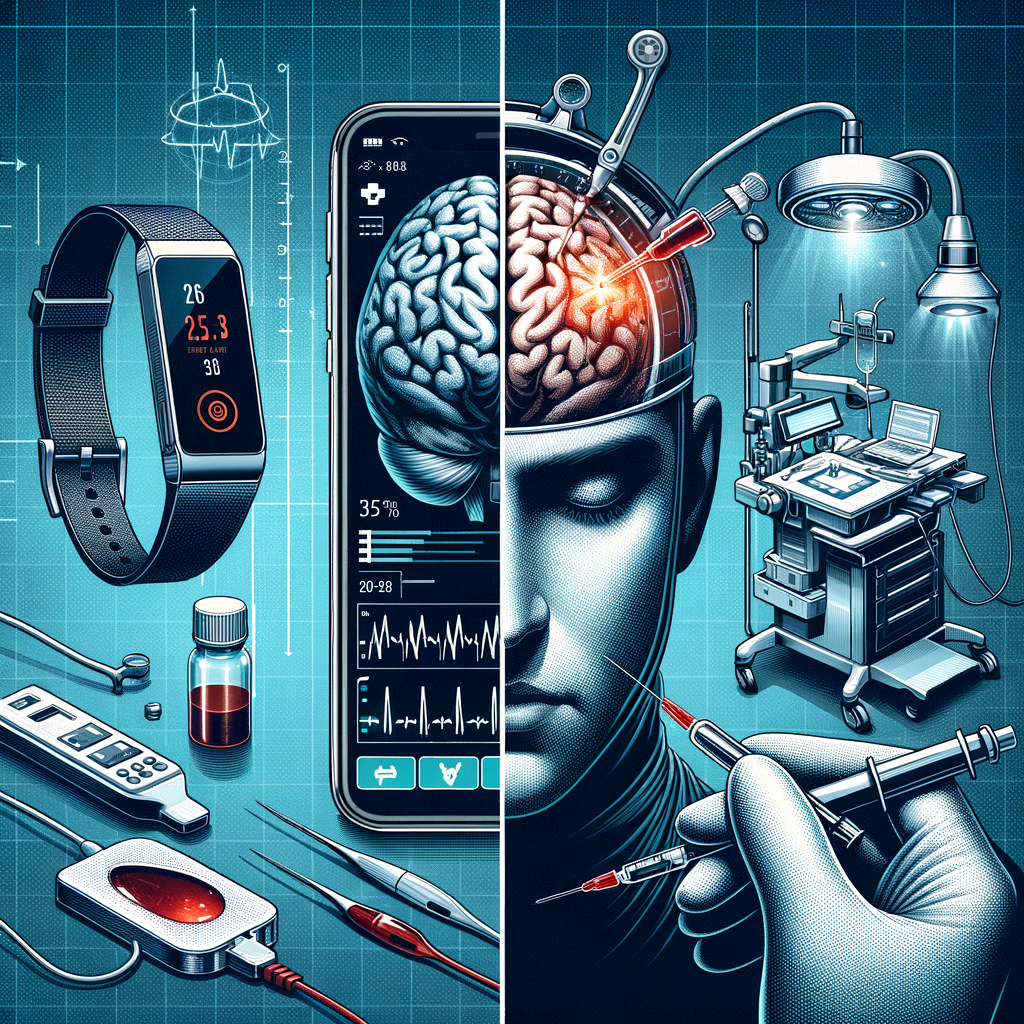
From At-Home Blood Panels to Head Transplants: The New Frontiers in Science & Health
Science and health innovation took center stage today, showcasing major shifts in how individuals manage their own wellness and how far the boundaries of medicine might stretch. The rise of direct-access blood testing platforms like Oura’s Health Panels and Whoop’s Advanced Labs is making lab work more consumer-friendly than ever. Meanwhile, Italian neurosurgeon Sergio Canavero is reigniting global debate with his vision of head transplants as a path to extending human life.
What Happened
Direct-Access Blood Testing Goes Mainstream
Wearable tech companies Oura and Whoop, both known for their advanced fitness tracking devices, have launched new platforms enabling users to order comprehensive blood panels without a doctor’s referral. Oura’s Health Panels and Whoop’s Advanced Labs are part of a growing trend toward democratizing personal health data, promising insights into metabolism, hormone levels, inflammation, and more. Users can order blood draws at local labs or via home visits and receive results directly in their app dashboards.
While these services empower users with unprecedented access to health metrics, experts caution that they do not replace the nuanced interpretation and clinical judgement of medical professionals. Potential pitfalls include misinterpreting results or missing complex diagnoses that require a physician’s expertise.
The Radical Promise—and Perils—of Head Transplantation
On an entirely different frontier, Italian neurosurgeon Sergio Canavero is once again in the spotlight for his ambition to perform the world’s first head—or brain—transplant. Canavero envisions a future where patients suffering from incurable diseases or paralysis could receive a new body, effectively extending or restoring life.
While no human head transplant has ever been performed, and the ethical, biological, and technical challenges remain immense, Canavero’s persistence highlights how some medical pioneers are willing to push the envelope far beyond current norms. His proposals raise profound questions about identity, consciousness, and the definition of life itself.
Why It Matters
The convergence of consumer-driven diagnostics and radical surgical concepts signals a transformation in how society approaches health, disease, and mortality.
Direct-access testing could improve early detection of health issues and foster a more proactive approach to wellness. However, it also risks increasing confusion or anxiety for those who lack medical guidance when reviewing complex lab data.
At the same time, the mere discussion of head transplantation forces the medical community and public to confront the future possibilities—and ethical dilemmas—of body augmentation, identity transfer, and the boundaries of human survival.
Key Stats
- Oura and Whoop both launched direct-to-consumer blood panel ordering in late 2025, covering dozens of biomarkers including cholesterol, hormones, and inflammation markers.
- Direct-access lab testing in the U.S. grew by over 20% in 2025, fueled by health tech startups and consumer demand.
- Sergio Canavero first announced his head transplant ambitions in 2015; as of 2026, no such operation has been performed on a human, though animal experiments have taken place.
- The global market for wearable health devices is projected to exceed $90 billion by 2027, signaling strong consumer interest in self-managed health.
What's Next
As direct-access blood testing becomes more widely available, regulatory agencies and health systems will need to address issues of accuracy, privacy, and integration with traditional care. Expect further partnerships between wearable tech companies and diagnostic labs, as well as new guidelines on consumer health data interpretation.
Meanwhile, the ethical debate around experimental surgeries like head or brain transplants is likely to intensify. As technology advances, the medical community—and society at large—will be challenged to define the acceptable boundaries of innovation in pursuit of longer, healthier lives.