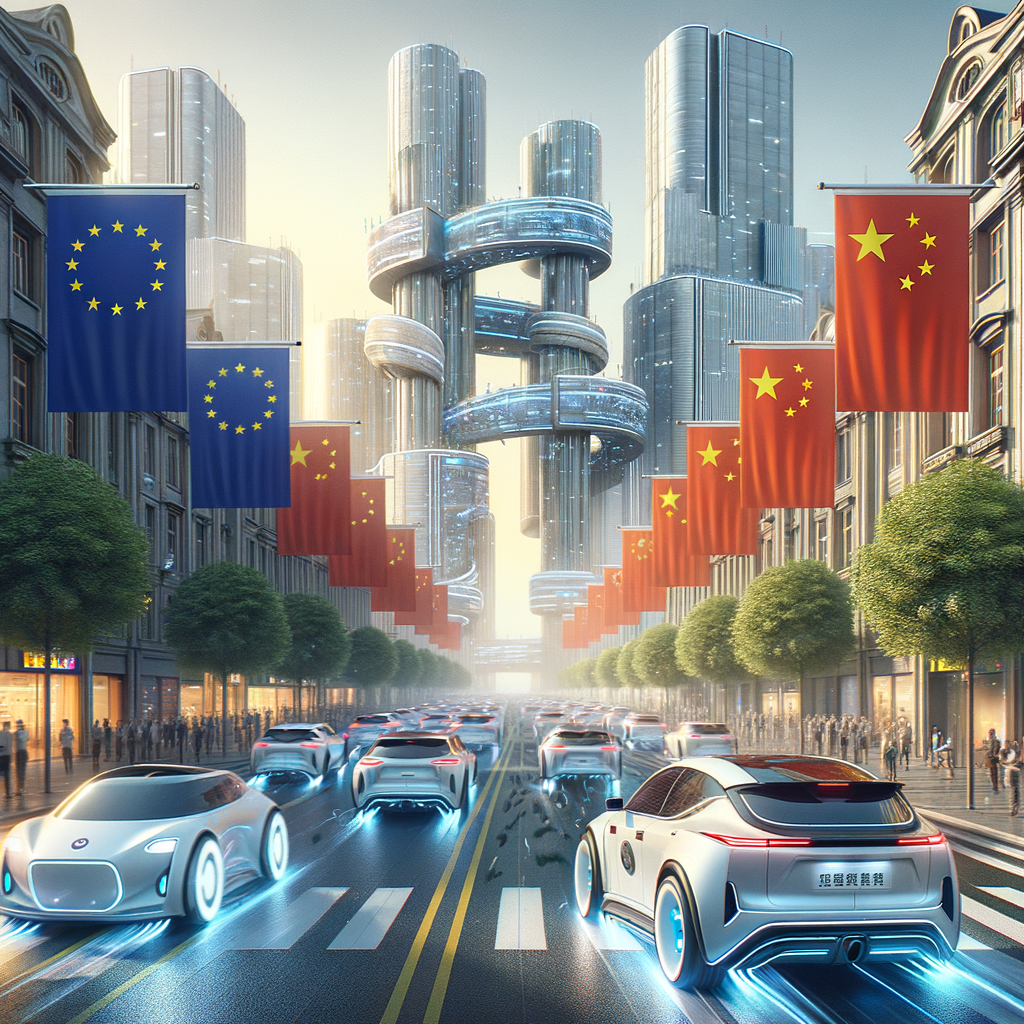
EU and China Reach Understanding on Electric Vehicle Tariffs Amid Shifting Global Trade Dynamics
On January 12, 2026, the business landscape experienced a notable shift as the European Union (EU) and China signaled progress toward resolving their dispute over tariffs on Chinese-made electric vehicles (EVs). This development comes at a time of increasing trade friction between Europe and the United States, highlighting the evolving dynamics of global commerce in the automotive sector.
What Happened
In a move that could reshape the competitive environment for electric vehicles in Europe, Brussels and Beijing have reached a preliminary understanding regarding import tariffs on Chinese EVs. The agreement, reported by StartupItalia, follows months of negotiation and growing tension since the EU imposed tariffs of up to 35.3% on electric vehicles imported from China. These duties were introduced in response to concerns about market distortion and the rapid influx of competitively priced Chinese electric cars into the European market.
While the precise terms of the new understanding remain undisclosed, and Beijing has yet to clarify whether the existing tariffs will be removed or reduced, both sides have signaled a willingness to de-escalate the dispute. The timing is significant: as trade relations between the EU and Washington become increasingly strained, the EU appears to be fostering closer economic ties with China, particularly in the burgeoning field of green mobility.
The negotiations underscore the strategic importance of the electric vehicle sector. European automakers have expressed concern about the competitiveness of Chinese EVs, which often benefit from lower production costs and significant state support. At the same time, European policymakers face pressure to accelerate the region’s transition to clean energy and meet ambitious climate targets.
Why It Matters
The EU-China understanding on EV tariffs has far-reaching implications for the automotive industry and broader economic relations. For European consumers, a potential reduction in tariffs could result in more affordable electric vehicles and greater choice in the marketplace. For Chinese manufacturers, eased access to the EU market would reinforce their role as global leaders in electric mobility.
Strategically, the development comes as Europe recalibrates its global alliances. The cooling of trade relations with the United States has created an opening for China to strengthen its economic footprint in Europe, especially in sectors vital to the energy transition. However, the agreement also raises questions about how European automakers will adapt to intensified competition and what safeguards, if any, will remain in place to protect local industry.
Moreover, this tentative detente could set a precedent for how the EU manages other trade disputes related to technology and green industries. It also highlights the delicate balance policymakers must strike between fostering open markets, supporting domestic innovation, and advancing environmental goals.
Key Stats
- Up to 35.3%: The maximum tariff imposed by the EU on imported Chinese electric vehicles in recent months.
- 2025: Year by which the EU aims to significantly increase the share of electric vehicles on its roads as part of its Green Deal objectives.
- Over 20%: The estimated market share of Chinese-made electric vehicles in some EU markets, according to recent industry reports.
- €15 billion: Estimated value of Chinese EV exports to the EU in the last year.
What's Next
The immediate next step will be the formalization and disclosure of the terms underlying the EU-China understanding. Both sides are expected to clarify whether existing tariffs will be lifted, reduced, or maintained in some form. The resolution of this dispute will be closely watched by automakers, trade analysts, and policymakers alike.
Looking ahead, the outcome may influence broader discussions on trade policy, industrial strategy, and the future of mobility in Europe. As the EU advances its climate agenda, the balance between openness to global suppliers and support for domestic innovation will remain a central challenge. The deal with China may serve as a blueprint for future negotiations in other high-tech and green sectors.