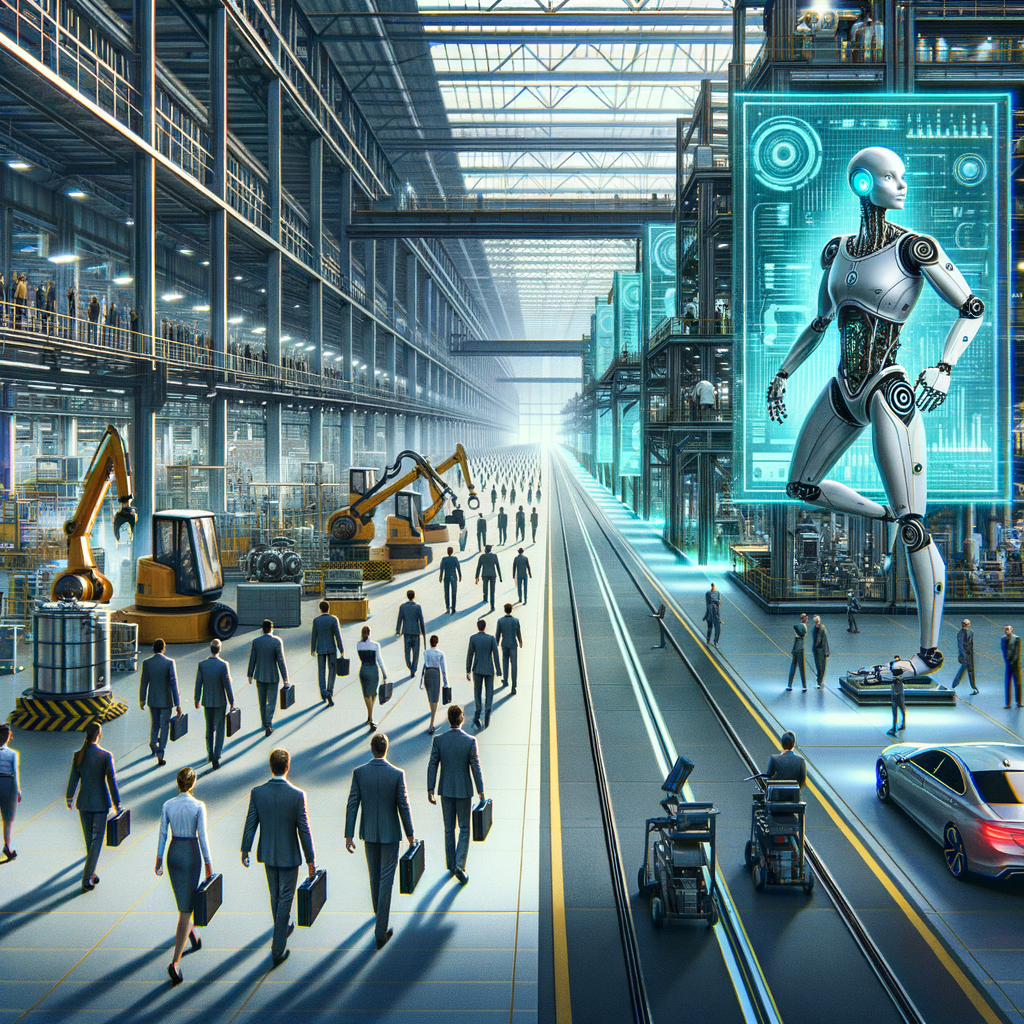
AI Reshapes Industry: Dow Chemical Cuts Jobs While Tesla Bets Big on Robotics Hype
Business headlines today are dominated by a stark reminder of technology’s disruptive force. Dow Chemical, a giant with more than a century of history, is reducing its workforce by thousands as it embraces advanced AI tools. Meanwhile, Tesla’s CEO Elon Musk is doubling down on futuristic robotics hype, even as practical deployment remains out of reach. These stories reflect both the promise and upheaval that artificial intelligence is bringing to traditional industries.
What Happened
Dow Chemical’s Strategic Shift
Dow Chemical announced plans to eliminate approximately 4,500 jobs, signaling a significant restructuring effort. The company, founded in 1897, revealed that artificial intelligence is at the core of its new operational strategy. Rather than relying on in-house tools or industry-standard platforms, Dow has chosen to work with C3.ai, a software vendor and notable competitor to Palantir, to drive efficiency and streamline processes. This transition is part of a broader cost-cutting initiative aimed at maintaining competitiveness in a rapidly changing chemical sector.
Tesla’s Optimus Distraction
On the other side of the business landscape, Tesla CEO Elon Musk continues to capture attention with his promotion of the Optimus humanoid robot project. At a recent investor update, Musk extolled the future potential of these robots, describing them as a game-changer for manufacturing and beyond. However, many investors and analysts note that Tesla has yet to implement Optimus robots in its own factories, raising questions about the purpose and timing of Musk’s continued focus on this ambitious initiative. Some suggest the Optimus hype may serve as a distraction from ongoing operational and market pressures facing Tesla.
Why It Matters
The parallel developments at Dow Chemical and Tesla illustrate the complex and sometimes contradictory ways in which AI and automation are transforming industry:
- Labor Displacement: Dow’s sizable job cuts underscore the real human cost of AI-driven efficiency. While automation promises long-term gains in productivity, it also brings immediate upheaval for workers whose roles become redundant.
- Strategic Differentiation: Dow’s choice of C3.ai over more established providers highlights the competitive landscape among AI vendors, as enterprises seek tailored solutions to specific industry challenges.
- Hype vs. Reality: Tesla’s focus on robotics innovation sparks imagination but also raises skepticism. The absence of Optimus robots in Tesla’s own manufacturing lines suggests a gap between visionary rhetoric and current operational reality.
- Investor Scrutiny: These moves are closely watched by investors, who must weigh the potential for future growth against risks associated with workforce reductions and unproven technologies.
Key Stats
- Dow Chemical is cutting approximately 4,500 jobs as part of its AI-driven restructuring.
- The company was founded in 1897 and has operated for 129 years.
- Dow is deploying AI software from C3.ai, a competitor to Palantir.
- Tesla’s Optimus robots have not yet been implemented in any Tesla factory as of this update.
What's Next
The coming months will be critical for both companies. At Dow, the true impact of AI integration will become clearer as the company adapts its operations and manages the fallout from job reductions. Watchers will track whether promised efficiency translates into improved financial performance and market share. For Tesla, investor patience may be tested if Optimus hype continues without real-world deployment. The robotics project’s progress—or lack thereof—could become a bellwether for the company’s credibility and future innovation trajectory. More broadly, these stories are emblematic of a business landscape where technological transformation is both an opportunity and a challenge, reshaping workforces and redefining industrial strategy.