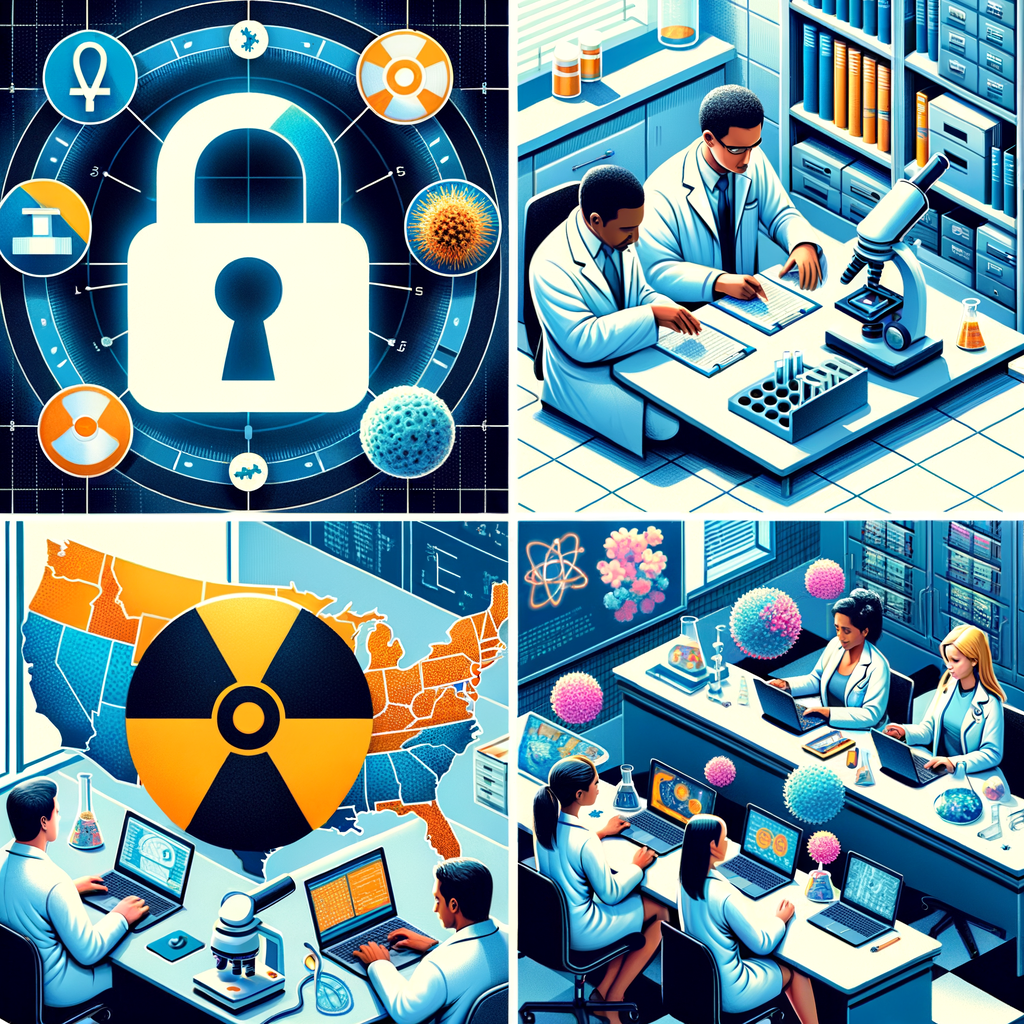
Science & Health Daily: Data Breaches, Nuclear Policy Shifts, Cancer Breakthroughs, and Free STEM Tools
Today's science and health headlines paint a picture of rapid change and new challenges. From a widening healthcare data breach to the US government's evolving stance on nuclear power, the day also brings promising cancer research and accessible educational resources for STEM learning. Below, we break down the developments and what they could mean for the future.
What Happened
Health Data Breach at TriZetto
The fallout from a significant health data breach continues to grow. Thousands of individuals have learned their sensitive health information was compromised in an incident involving TriZetto, a healthcare technology platform. The breach stems from a cyberattack on TriZetto's parent company, Cognizant, which has now been hit with multiple lawsuits from affected parties. The lawsuits allege inadequate security measures and demand accountability for the exposure of protected health information (PHI), raising serious concerns about patient privacy and the responsibilities of healthcare technology providers.
US Nuclear Policy: Deregulation and Incentives
In a major policy shift, the US government is now actively encouraging states to host new nuclear sites, offering governors access to federally funded atomic megasites. This comes as hundreds of pages of nuclear safety regulations have been removed or relaxed, a move that has triggered debate over the balance between energy innovation and public safety. The initiative includes substantial federal incentives designed to accelerate the expansion of nuclear infrastructure amid changing safety oversight.
Breakthrough in Pancreatic Cancer Treatment
Groundbreaking research has revealed that a combination of three drugs can block resistance mechanisms in pancreatic tumors, a significant advance in a cancer type known for poor survival rates and resistance to therapy. The study reports that this drug trio not only halts tumor resistance but also shows potential for inducing complete tumor regression. This finding offers new hope to patients and could reshape therapeutic strategies for one of the most challenging cancers.
Grid.Space for Education: Free STEM Tools
On the education front, Grid.Space has launched a suite of free, browser-based STEM/STEAM tools. Designed for classrooms, makerspaces, and learning labs, these tools require no installations, accounts, or costs, lowering barriers to STEM education. The initiative is aimed at expanding access to hands-on science and technology learning, especially in resource-constrained environments.
Why It Matters
The TriZetto breach underscores the growing vulnerability of health data in an era of digital medicine, highlighting the importance of robust cybersecurity measures. As regulatory scrutiny intensifies, the incident could set new legal precedents for healthcare IT companies.
The shift in US nuclear policy reflects an urgent push to diversify the nation's energy portfolio, but the relaxation of safety rules raises concerns about oversight and long-term risk management. How states respond will shape the future of nuclear power in America.
The pancreatic cancer research marks a rare beacon of hope in a field where treatment breakthroughs are uncommon. If validated in further studies, the drug trio could become a new standard for combating tumor resistance and improving patient outcomes.
Finally, Grid.Space's free STEM tools address ongoing inequities in educational access, empowering more learners to engage with science and technology regardless of resources.
Key Stats
- Thousands of TriZetto users have been notified of stolen health data following the Cognizant cyberattack.
- Hundreds of pages of nuclear safety regulations have been removed or relaxed as the US offers states federal cash for atomic megasites.
- The new drug combination in pancreatic cancer research has achieved complete tumor regression in early studies.
- Grid.Space's STEM tools are available for free, require no accounts or installations, and are tailored for educational settings.
What's Next
For those affected by the TriZetto breach, legal proceedings will likely shape new standards for data protection in healthcare. State governments will soon decide whether to accept federal incentives for nuclear sites, a process that will determine the pace and geography of nuclear expansion in the US. The pancreatic cancer drug trio will move to larger clinical trials, with the potential for broader adoption if results hold. Meanwhile, educators and students can expect more free, accessible STEM resources as initiatives like Grid.Space gain traction.