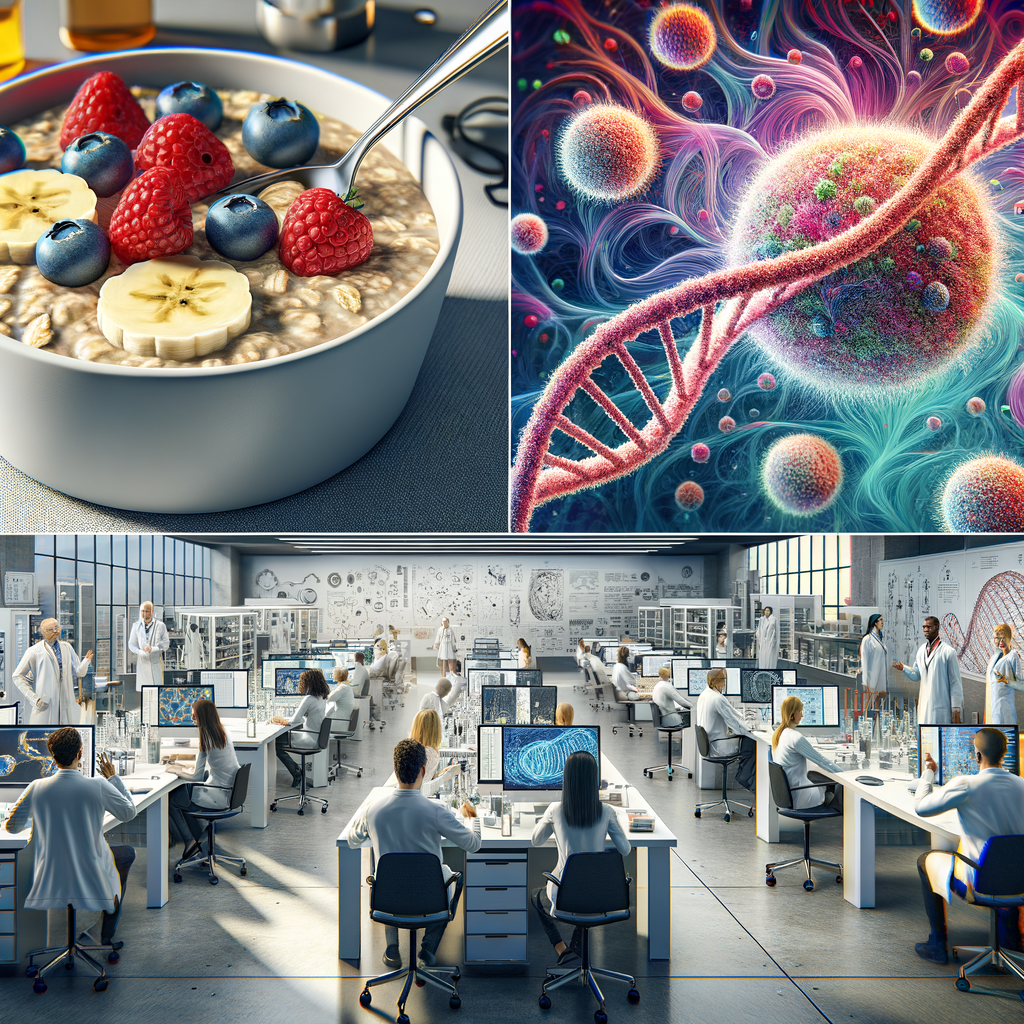
Oatmeal’s Surprising Power, Lifespan Experiments, and Open-Source Tools: Today’s Science & Health Highlights
Today’s roundup of Science & Health brings together a trio of developments that reflect both the timeless and the cutting-edge. From the ancient breakfast staple of oatmeal demonstrating quick heart health benefits, to the growing influence—and controversy—of radical life extension movements, and a new open-source tool empowering biological researchers, the landscape is as diverse as it is dynamic.
What Happened
Oatmeal and Cholesterol: A Rapid Effect
A recent report highlights that consuming oatmeal for just two days can measurably reduce cholesterol levels. While oatmeal’s heart benefits are well-documented, the speed of this effect is notable, reinforcing recommendations for dietary intervention in cardiovascular health. Although the underlying study details are limited, this finding underscores oatmeal’s continued relevance in preventive health.
Lifespan Extension: From Mainstream to Maverick
The world of lifespan extension, once relegated to science fiction or fringe science, is increasingly entering mainstream discourse. Today’s feature examines the subculture of longevity enthusiasts who push the boundaries through extreme biohacking. Their practices range from post-cryopreservation relationships to experimental medical interventions such as penis injections. While some of these approaches remain controversial or unproven, the community’s influence is growing—driven by both anecdotal successes and a rising tide of investment in longevity research.
Phage Explorer: A New Tool for Bacteriophage Genomics
On the technology front, the launch of Phage Explorer offers scientists a robust, free, and open-source platform for bacteriophage genome visualization and analysis. The software features color-coded DNA and amino acid sequence visualization, 3D structure rendering, and over 40 analytical tools. Notably, Phage Explorer works offline, making it accessible for researchers in low-connectivity environments. The tool is designed to lower barriers for phage research, which is increasingly significant due to the role of bacteriophages in combating antibiotic resistance.
Why It Matters
These developments collectively illustrate the evolving intersection of accessible health strategies, disruptive innovation, and open science. The rapid cholesterol-lowering effect of oatmeal reaffirms the importance of diet in public health initiatives, offering a simple intervention with measurable results. Meanwhile, the expanding reach of the lifespan extension movement highlights both the promise and pitfalls of DIY science and medical experimentation. As more individuals pursue unorthodox methods, the need for robust research and ethical debate grows accordingly. Lastly, tools like Phage Explorer democratize access to advanced genetic analysis, a critical factor as bacteriophages garner attention as next-generation therapeutics against drug-resistant bacteria.
Key Stats
- Oatmeal consumption for just two days is reported to reduce cholesterol levels measurably.
- The lifespan extension community is experimenting with a range of interventions, including cryopreservation and off-label medical procedures.
- Phage Explorer provides over 40 genome analysis tools and supports 3D structure visualization.
- The software is free, open-source, and functions fully offline, broadening its reach to diverse research settings.
What's Next
Looking ahead, we can expect greater scrutiny—and possibly regulation—of the more extreme practices within the lifespan extension movement as mainstream interest grows. The effectiveness of simple dietary interventions like oatmeal is likely to fuel further research into accessible, non-pharmaceutical approaches to chronic disease management. Meanwhile, open-source bioinformatics tools like Phage Explorer may accelerate discoveries in bacteriophage therapy, with implications for the fight against antibiotic-resistant infections. The convergence of grassroots experimentation, traditional wisdom, and technological innovation signals a future where science and health advances are increasingly participatory and globally accessible.