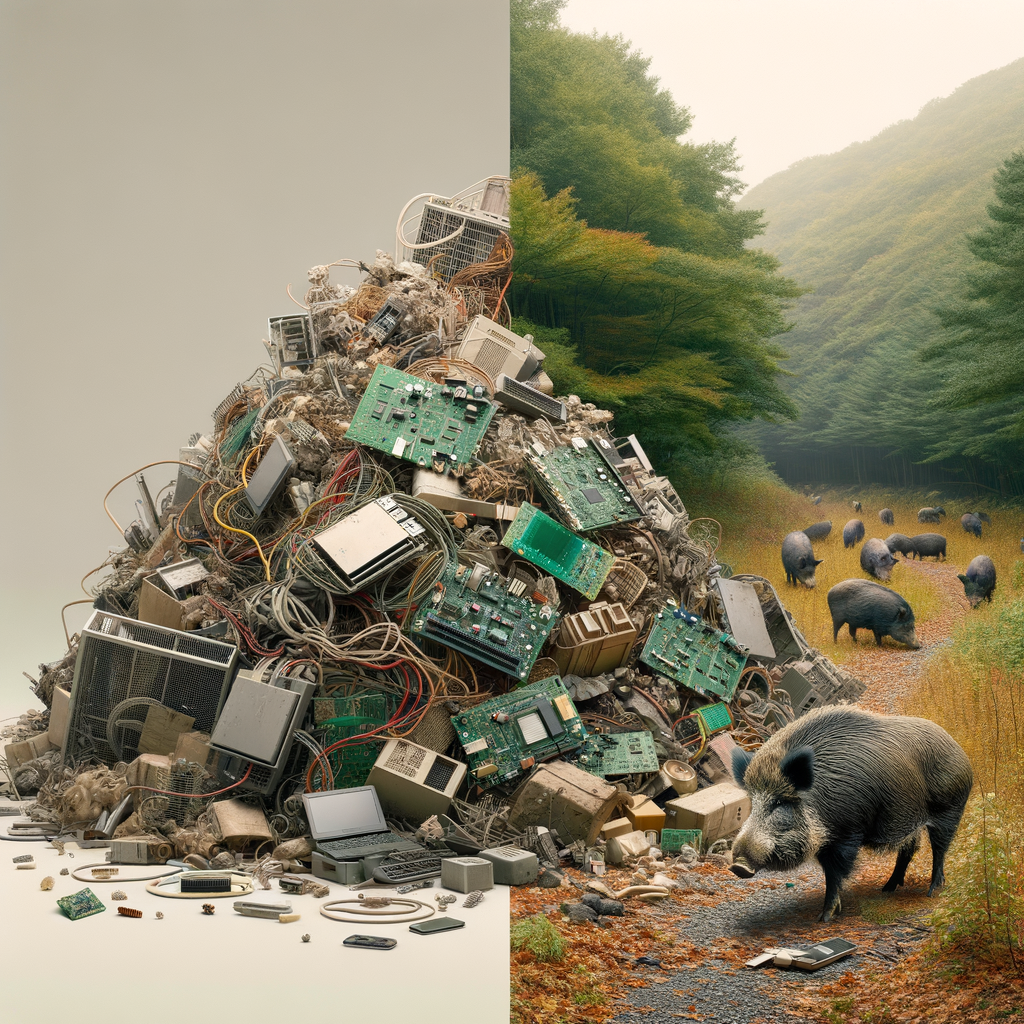
Unrecyclable Electronics and Fukushima’s Wild Boar: Today’s Science & Health Insights
Today in Science & Health, two stories dominate the conversation: the persistent challenges of recycling modern electronics, and a new genetic study revealing how domestic pigs accelerated gene flow in Fukushima’s wild boar populations. Both stories highlight the complex relationship between technology, the environment, and public health.
What Happened
Electronic Waste: A Recycling Dilemma
A widely discussed Hacker News thread posed a fundamental question: Why, despite years of technological progress, are most electronics still difficult to recycle? The conversation underscored the persistent barriers faced by recycling efforts. Modern electronics are designed for performance, miniaturization, and cost-efficiency—not for disassembly or material recovery. Components are often fused together with adhesives, solder, and complex composites, making separation labor-intensive and expensive. As a result, vast amounts of e-waste continue to end up in landfills or are shipped overseas, where informal recycling can pose serious environmental and health risks.
Fukushima’s Wild Boar: The Domestic Pig Effect
Meanwhile, a newly published genetic study has shed light on the aftermath of the 2011 Fukushima nuclear disaster. Researchers found that domestic pigs, which escaped or were released during evacuation, bred with local wild boar. The study's key finding: domestic pigs’ ability to breed year-round, unlike the seasonal reproduction of wild boar, dramatically sped up the integration of pig genes into the wild population. This rapid gene flow has led to the emergence of hybrid animals now common in the region’s forests. The long-term ecological and health consequences of this hybridization are still being investigated.
Why It Matters
The persistence of unrecyclable electronics has significant implications. As the volume of e-waste grows—projected to reach over 74 million metric tons globally by 2030—the inability to efficiently recover valuable materials like gold, copper, and rare earth elements strains both the environment and supply chains. Moreover, hazardous substances such as lead and flame retardants can leach from improperly disposed electronics, posing health risks to workers and communities.
The findings from Fukushima provide a unique window into how human-made disasters can reshape ecosystems in unexpected ways. The introduction of domestic pig genetics into wild populations may alter behavior, disease susceptibility, and ecological roles. Understanding these changes is crucial for managing wildlife, protecting food safety, and planning future disaster responses.
Key Stats
- Global e-waste is expected to surpass 74 million metric tons by 2030.
- Electronics recycling rates remain below 20% worldwide, according to recent estimates.
- Domestic pigs breed year-round, while wild boar typically have one breeding season annually.
- The Fukushima region now reports a high prevalence of hybrid wild boar–pig animals in affected forests.
- Informal e-waste recycling exposes an estimated 15 million people to hazardous substances each year.
What's Next
Efforts are underway to address the electronic recycling crisis. Policymakers in several countries are considering right-to-repair laws and new eco-design standards to make future devices easier to disassemble and recycle. Meanwhile, researchers continue to develop new recycling technologies, such as robotics and chemical recovery methods, aiming to boost recovery rates and reduce environmental harm.
In Fukushima, ongoing monitoring will track how pig–boar hybridization affects wildlife health, behavior, and the broader ecosystem. The results could inform wildlife management practices not only in Japan, but worldwide, where domestic–wild animal interactions are increasingly common after natural or human-made disasters.