Full-Body MRIs: How Often Do They Detect Cancer, and What Are the Real Benefits?
In today’s Science & Health news, the debate around full-body MRI scans takes center stage. As more individuals turn to comprehensive scans in hopes of early cancer detection, medical experts are examining whether these high-tech screenings deliver on their promise—or if they might introduce new risks.
What Happened
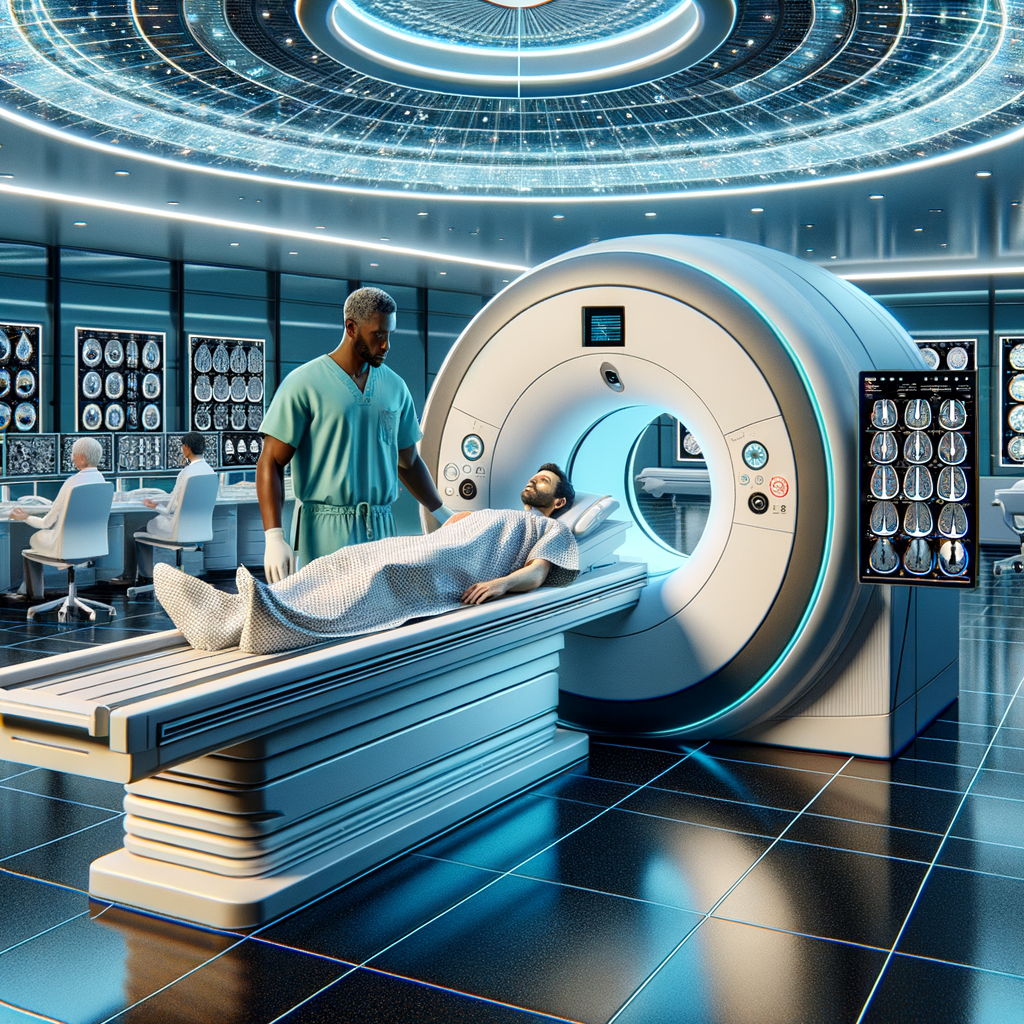
Full-body MRIs have been marketed as a proactive health tool, offering the prospect of detecting hidden cancers and other diseases before symptoms appear. Private clinics and startups have begun offering these scans directly to consumers, often at significant out-of-pocket cost. Proponents argue that early detection through such imaging could be life-saving, catching cancers at a stage when intervention is more effective.
However, a growing body of evidence and expert opinion suggests caution. Leading medical authorities, including the American College of Radiology and U.S. Preventive Services Task Force, have expressed skepticism. Their primary concerns center on the actual frequency with which full-body MRIs identify cancer in asymptomatic individuals, and the potential for false positives leading to unnecessary testing, anxiety, and even invasive procedures.
A recent review of published studies finds that full-body MRIs detect previously undiagnosed cancers in roughly 1-2% of healthy, asymptomatic adults. The majority of findings are benign or incidental, requiring follow-up scans or biopsies that rarely yield serious diagnoses. Notably, many cancers that might be detected through symptoms or targeted screening—such as breast or colon cancers—are not always visible or reliably identified with a whole-body scan.
Despite these limitations, full-body MRIs can be valuable for individuals with specific inherited cancer syndromes, such as Li-Fraumeni syndrome, where the risk of multiple cancers is high. For the average adult with no symptoms or risk factors, routine scans remain controversial.
Why It Matters
The rising popularity of full-body MRI scans highlights a tension between technological capability and evidence-based medicine. While the idea of detecting cancer early is appealing, the numbers suggest that widespread scanning of healthy people may lead to more harm than benefit. False positives are a particular concern, with studies estimating that up to 30% of scans lead to additional, sometimes invasive, follow-up procedures. This can result in psychological distress, exposure to unnecessary radiation from subsequent tests, and increased healthcare costs without clear evidence of improved outcomes.
On the other hand, for those with a family history or known genetic risk, tailored imaging strategies—including full-body MRI—can be life-saving. The challenge is determining when such scans are justified and ensuring patients receive balanced information about the potential benefits and downsides.
Key Stats
- Full-body MRIs detect unsuspected cancers in approximately 1-2% of asymptomatic adults.
- Up to 30% of full-body MRI scans result in false positives, leading to further testing.
- Incidental findings—unrelated to cancer—occur in more than 15% of scans, often requiring follow-up.
- The cost of a single full-body MRI ranges from $1,000 to $2,500 at private clinics.
What's Next
As demand for proactive health screening grows, further research is underway to refine the use of whole-body MRI. Future studies may help identify subgroups of patients most likely to benefit, while minimizing unnecessary interventions for those at low risk. In the meantime, medical societies continue to recommend evidence-based screening protocols tailored to individual risk factors rather than universal full-body imaging. For consumers, informed discussions with healthcare providers remain essential before pursuing such scans.