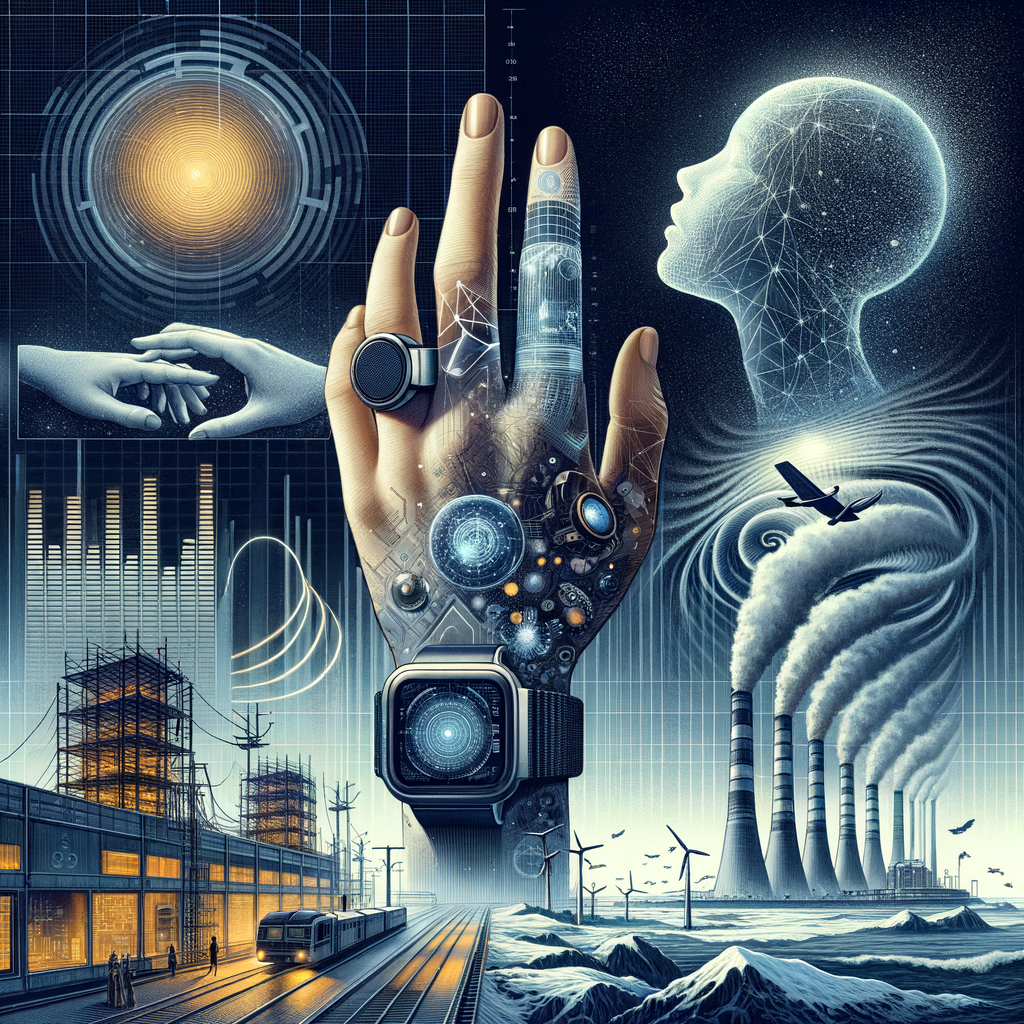
From Smart Rings to Antarctic Mysteries: The Day in Science & Health
Science and health developments today spanned from the personal—how we track our well-being—to the planetary, with new findings on Antarctica's evolving landscape and the climate impact of AI infrastructure. Researchers also explored the boundary between sleep and wakefulness, manipulating dreams to boost problem-solving. Meanwhile, a community-driven tech platform celebrated a major milestone in lives saved.
What Happened
Health Tracking Showdown: Oura Ring vs. Apple Watch
Choosing the right health tracker is an increasingly nuanced decision. Today, comparative testing shed light on the pros and cons of the Oura Ring and the Apple Watch. The Oura Ring, praised for its discreet design and robust sleep tracking, competes with the Apple Watch’s broader fitness ecosystem and multi-modal health sensors. The detailed review underscored that the optimal device depends on user priorities—whether that’s minimalism and sleep analysis or comprehensive health monitoring and app integration.
Sound Cues Influence Dreams and Puzzle-Solving
A new study demonstrated that auditory prompts delivered during sleep can steer dream content and improve puzzle-solving abilities after waking. Researchers found that specific sound cues, timed with the brain’s sleep phases, can subtly guide dreams toward desired themes and even enhance cognitive performance on complex tasks. This raises intriguing questions about the potential—and ethical boundaries—of influencing minds during sleep, including the possibility of targeted advertising while we rest.
AI Data Centers and the Climate Emergency
Amid the AI boom, the environmental cost of powering massive data centers is drawing increased scrutiny. Today’s investigations revealed that, despite public commitments to renewable energy, many companies are rapidly expanding fossil-fuel-powered infrastructure—specifically, natural gas turbines—to meet surging electricity demands. The result is a growing carbon footprint at odds with sustainability pledges, highlighting the tension between technological progress and environmental responsibility.
Antarctica’s Deepening Gravity Hole
Scientists reported that a mysterious gravity anomaly beneath Antarctica, colloquially known as the ‘Gravity Hole,’ has been intensifying. While the exact implications remain unclear, the phenomenon is believed to be linked to changes in ice mass and underlying geology. Ongoing research aims to determine whether this could accelerate ice loss or otherwise impact Antarctic stability and global sea levels.
Community Impact: Hacker News and 33,000 Lives Saved
A brief but notable mention celebrated the Hacker News community’s role in lifesaving initiatives, with a reported 33,000 lives saved thanks to user-driven information sharing and problem-solving. The specifics were not detailed, but the milestone highlights the tangible impact of collaborative online platforms.
Why It Matters
Today’s developments underscore both the promise and the risks of technological innovation. Wearables like the Oura Ring and Apple Watch are redefining personal health management, but also raise questions about data privacy and the medicalization of daily life. Dream manipulation research opens doors for cognitive enhancement, yet stirs debate about consent and the commercialization of sleep. The AI industry’s unchecked energy demands serve as a reminder that digital progress has material costs, especially for the climate. Meanwhile, the unexplained strengthening of Antarctica’s gravity anomaly could signal shifts with global environmental ramifications. Finally, the Hacker News story is a testament to the positive power of collective intelligence.
Key Stats
- 33,000 lives reportedly saved through Hacker News community actions.
- AI data centers are increasingly powered by gas turbines, despite sector-wide commitments to renewable energy.
- The Oura Ring excels in sleep tracking accuracy, while the Apple Watch offers a broader suite of health metrics and app integrations.
- Scientists report a measurable increase in the intensity of Antarctica’s gravity anomaly over recent years.
What's Next
Looking ahead, expect further refinement and competition in the health tracking space, as users demand more personalized and privacy-conscious devices. Dream-based cognitive enhancement may progress, but will likely face regulatory and ethical scrutiny—especially if commercial interests pursue sleep-time advertising. The tech sector, under pressure from activists and policymakers, may accelerate efforts to decarbonize AI infrastructure, though balancing demand with sustainability remains a challenge. Ongoing Antarctic research will be crucial for assessing future sea level and climate risks. Lastly, digital communities will continue to play a pivotal role in solving real-world problems, setting new precedents for collective action.