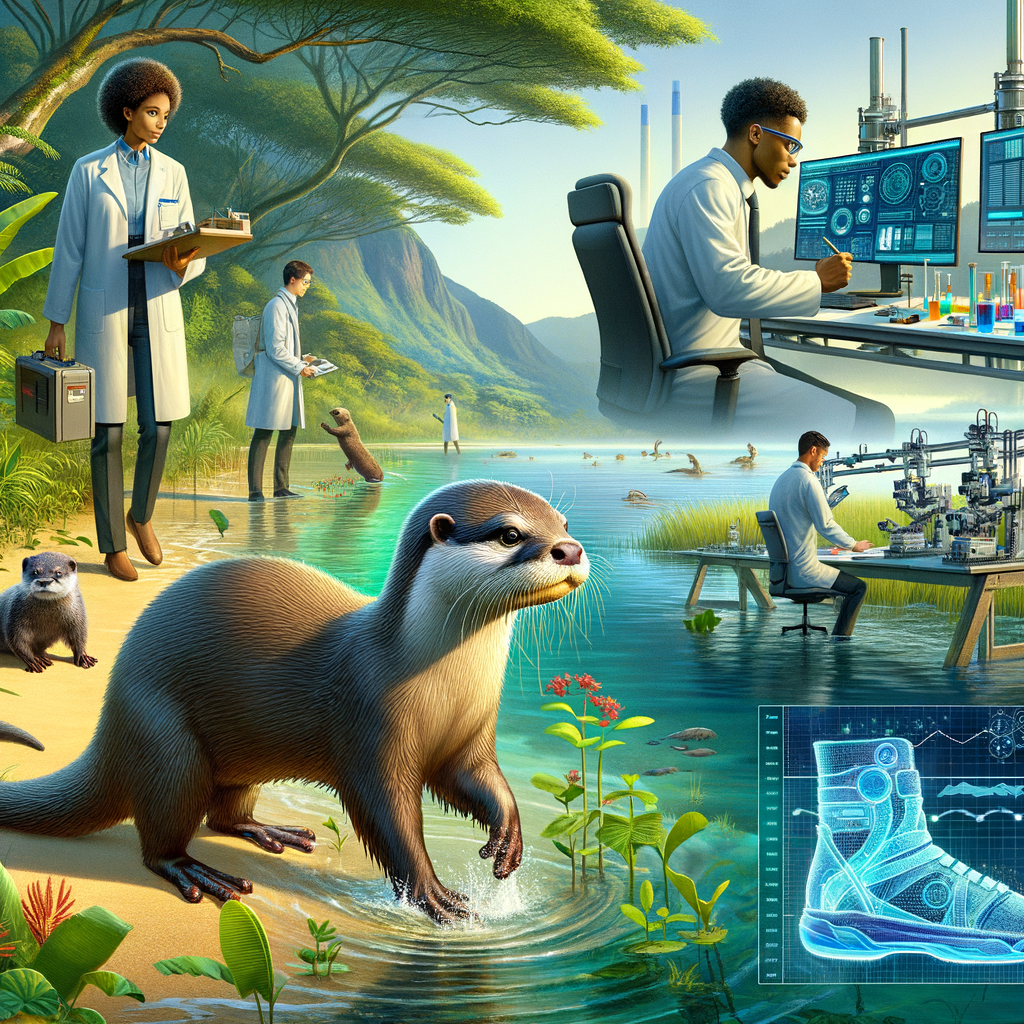
From Squeaky Sneakers to Sentinel Otters: Today’s Science & Health Breakthroughs
February 28, 2026, brought a diverse mix of discoveries and recognition in the science and health world. From Harvard researchers unraveling a quirky everyday mystery, to MIT Technology Review’s reporting earning prestigious honors, and a comprehensive synthesis elevating otters as crucial bioindicators for estuarine health, today’s highlights showcase the breadth and depth of scientific inquiry and its impact on society.
What Happened
Harvard Researchers Crack the Case of Squeaky Sneakers
In a blend of curiosity-driven science and practical problem-solving, a team at Harvard University has demystified the cause behind squeaky sneakers—a phenomenon familiar to anyone who’s crossed a gym floor or hurried through a quiet hallway. The researchers identified the complex interplay between shoe materials, environmental moisture, and surface textures as the root of the noise. Using high-speed videography and acoustic analysis, they pinpointed micro-vibrations at critical contact points, offering insights that could inform future footwear design. While it remains to be seen if this work will earn major awards, it exemplifies the value of investigating even everyday puzzles.
MIT Technology Review Named ASME Finalist for AI Energy Investigation
The MIT Technology Review team has been named a finalist in the 2026 American Society of Magazine Editors (ASME) National Magazine Awards, specifically for their investigative reporting on the hidden energy costs of artificial intelligence. The team’s work exposed the escalating power requirements of AI model training and deployment, providing a data-driven look at how the sector’s rapid growth is straining global energy infrastructure. This recognition highlights the increasing importance of scrutinizing the environmental footprint of emerging technologies.
Otters Identified as Key Bioindicators for Estuarine Ecosystems
A comprehensive synthesis drawing on 40 years of fieldwork and global literature has positioned otters as essential sentinels for the health of estuarine ecosystems. These environments—where rivers meet the sea—play a vital role in nutrient cycling, biodiversity, and climate resilience, but are threatened by pollution, habitat loss, and overexploitation. The research, featuring data from Brazil’s Peri Lagoon and a global bibliometric analysis, details the otter’s sensitivity to contaminants (including persistent organic pollutants and microplastics), habitat fragmentation, and their top-down effects on food webs. The study also highlights significant research gaps, particularly in tropical and estuarine regions, and proposes a seven-pillar framework for integrating otters into ecosystem monitoring and management.
Why It Matters
Today’s developments underscore the multifaceted nature of science and health progress. Harvard’s study, while seemingly lighthearted, exemplifies the pursuit of knowledge that can translate into better product design and user experience. MIT Technology Review’s award-nominated investigative journalism is a reminder that technological advancement must be accompanied by critical analysis of environmental impacts, ensuring that the digital revolution remains sustainable. Finally, the otter synthesis illuminates the urgent need for robust bioindicators to safeguard estuaries—ecosystems critical to ecological and human well-being. By advancing interdisciplinary and globally inclusive research, scientists can better inform policy and conservation efforts in the face of climate change and anthropogenic pressures.
Key Stats
- Over 40 years of otter fieldwork analyzed, with 6,300 scientific publications surveyed.
- 66% of sampled otters showed Toxoplasma positivity, indicating widespread exposure to pathogens.
- 30% decrease in otter sightings in fragmented estuarine habitats, highlighting sensitivity to habitat loss.
- MIT Technology Review named a 2026 ASME National Magazine Award finalist for reporting on AI’s energy demands.
- Only 211 publications focused on the Neotropical otter, with just 49 from Brazil, underscoring research gaps in tropical estuaries.
What's Next
The findings from Harvard may inspire footwear manufacturers to develop quieter, more comfortable sneakers by reengineering materials and tread patterns. MIT Technology Review’s recognition is likely to stimulate further investigative reporting on the environmental costs of digital technologies, potentially influencing policy and industry standards. In the ecological realm, the proposed otter-based framework sets the stage for more coordinated, multidisciplinary, and equitable research collaborations, especially in underrepresented tropical and estuarine ecosystems. As climate and environmental pressures mount, integrating sentinel species like otters into monitoring and management strategies will be vital for sustaining ecosystem services and biodiversity.