When the Apple Watch Misses: A New Blood Pressure Wearable Steps In
Today in Science & Health, a new wearable device called Hilo is making headlines for its ability to monitor blood pressure continuously and detect hypertension early—something the popular Apple Watch currently cannot do. This development is raising important questions about the future of consumer health technology and its role in disease detection and prevention.
What Happened
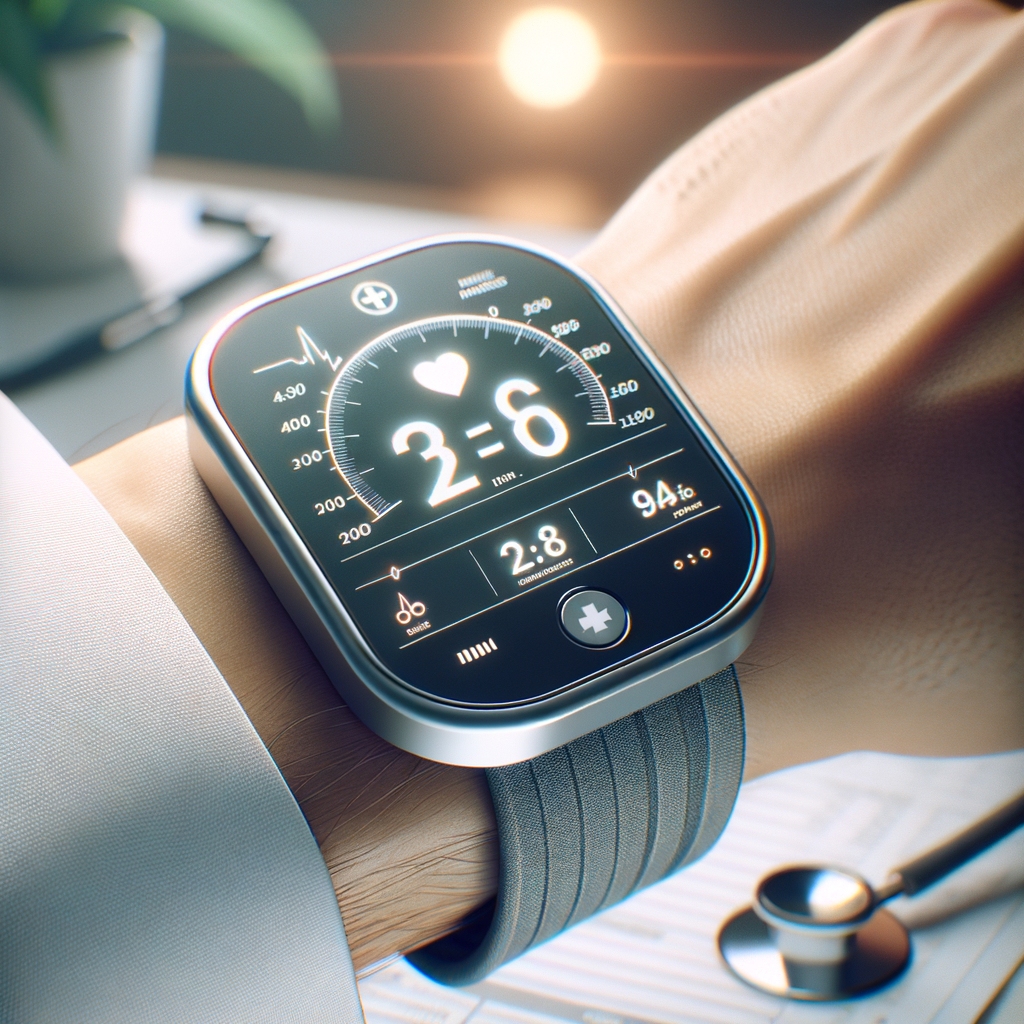
Wearable technology has seen rapid advancements, with devices like the Apple Watch and Fitbit leading the charge in tracking heart rate, sleep, and activity. However, blood pressure monitoring—particularly continuous and non-invasive—has remained a challenge. A recent user account highlighted a critical gap: the Apple Watch failed to alert them to rising blood pressure and early signs of hypertension. Enter the Hilo, a new wrist-worn device designed specifically for blood pressure tracking.
Unlike most smartwatches, the Hilo takes readings multiple times throughout the day using an inflatable cuff mechanism embedded in the strap. The device automatically records systolic and diastolic values, alerting the wearer if readings consistently fall outside of normal ranges. In this case, the Hilo detected elevated blood pressure that the Apple Watch’s heart rate and ECG features missed, prompting the user to seek medical advice and enabling early intervention.
The Hilo, however, is not without its limitations. The device is bulkier than traditional smartwatches, requires periodic calibration, and its notifications can be frequent—sometimes flagging false positives due to motion or improper fit. Still, its core ability to provide actionable health data in real time marks a significant step forward.
Why It Matters
Hypertension is often called the “silent killer” because it typically has no symptoms until it causes serious complications such as heart disease or stroke. Early detection is crucial, but many people do not check their blood pressure regularly. By integrating reliable blood pressure monitoring into a wearable, the Hilo could help bridge the gap between periodic doctor visits and daily health management.
The Apple Watch’s inability to track blood pressure directly highlights the limitations of current mainstream wearables. While it excels at tracking heart rhythm and detecting arrhythmias, it relies on indirect signs to flag hypertension, which may lead to missed cases. Devices like the Hilo have the potential to catch problems earlier and provide data that can be shared directly with healthcare providers.
However, there are trade-offs. Increased monitoring can lead to more false alarms, user fatigue, and data overload. Privacy and data security remain concerns as more personal health information is collected and transmitted.
Key Stats
- Hypertension affects an estimated 1.28 billion adults worldwide, according to the World Health Organization.
- The Hilo wearable takes up to 12 automated blood pressure readings per day, compared to none for the Apple Watch.
- In a user’s experience, the Hilo detected hypertension within a week, prompting a doctor’s visit and early intervention.
- Apple Watch currently offers heart rate and ECG monitoring but does not provide direct blood pressure measurements.
What's Next
As consumer demand for comprehensive health monitoring grows, major tech companies are likely to accelerate their efforts to integrate blood pressure tracking into mainstream wearables. Apple and other market leaders are reportedly investing in miniaturized, cuffless sensors, but these technologies are still in the research phase. Meanwhile, niche devices like the Hilo may become increasingly popular among those at risk for hypertension or other cardiovascular conditions.
The next few years will likely see a convergence of clinical-grade accuracy and consumer convenience, but regulatory approval, user experience, and data management will remain key hurdles. For now, the Hilo stands as a reminder that even the most popular wearables have limitations—and that innovation in this space remains vital for public health.