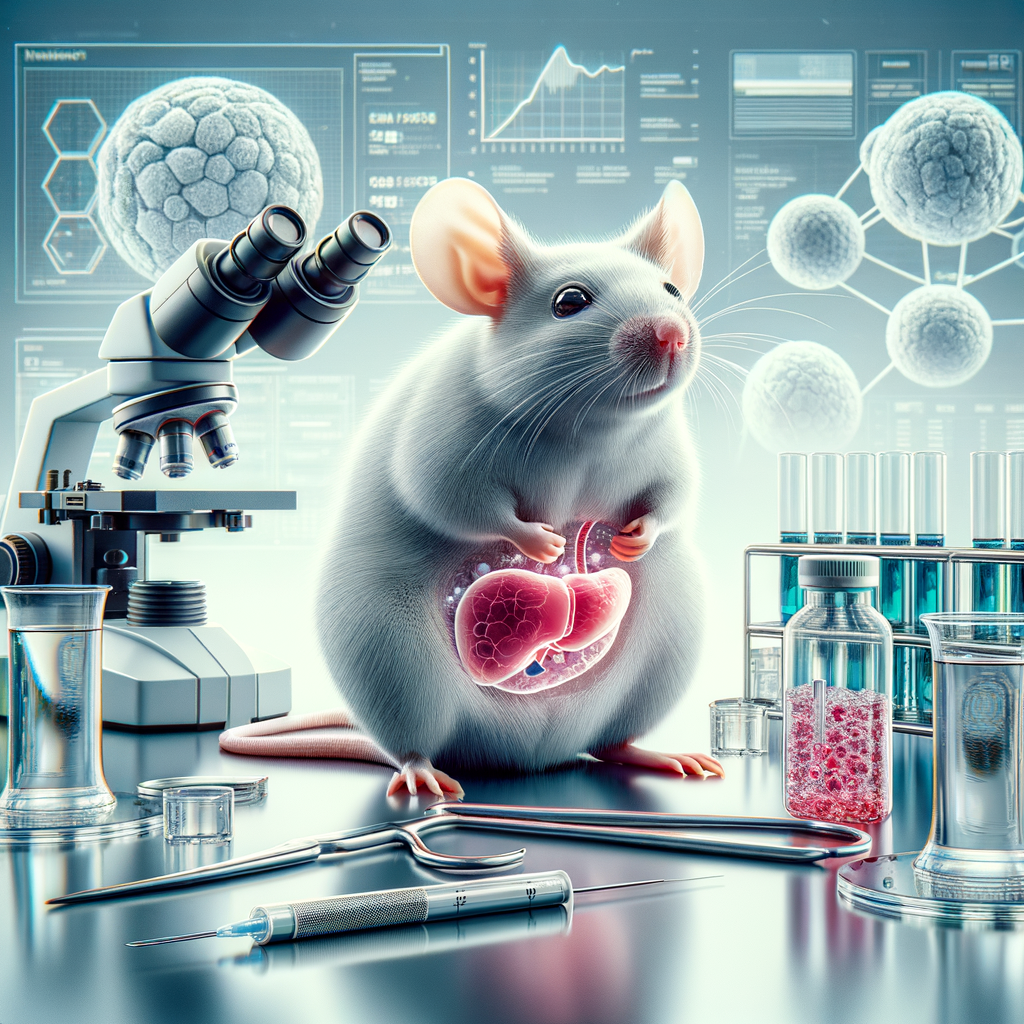
MIT Scientists Pioneer Injectable ‘Satellite Liver’ Treatment in Mice
Today in Science & Health, researchers at the Massachusetts Institute of Technology (MIT) unveiled a significant advancement in the field of organ regeneration. In a newly published study, the team reports the successful development and testing of an injectable “satellite liver” in mice, marking a promising step forward in the treatment of liver diseases.
What Happened
Scientists at MIT have engineered a novel approach to address liver failure and chronic liver diseases. Instead of relying exclusively on full organ transplants, which are limited by donor availability and surgical risks, the team developed a minimally invasive technique to introduce healthy liver cells directly into the body. These cells are injected into the abdominal cavity, where they aggregate and function as a miniature, auxiliary liver—referred to as a “satellite liver.”
The study, conducted in mice, demonstrated that these injected liver cells not only survived but also maintained their functionality for a span of eight weeks. This period is significant, as it suggests the possibility of creating a long-lasting, supplementary liver support system within the body. The researchers carefully tracked the viability of the liver cells, their ability to process toxins, and their integration within the host tissue. The results show that the satellite liver cells performed critical liver functions, potentially alleviating some of the metabolic burdens typically shouldered by a failing organ.
Why It Matters
The implications of this research are far-reaching. Chronic liver disease and acute liver failure remain leading causes of morbidity and mortality worldwide, with thousands of patients awaiting liver transplants at any given time. The current supply of donor organs falls far short of demand, and transplantation comes with significant risks, including rejection and the need for lifelong immunosuppression.
MIT’s injectable satellite liver approach could offer a less invasive, more accessible alternative to transplantation. By providing supplementary liver function, this technique has the potential to stabilize patients, reduce complications, and even serve as a bridge-to-transplant therapy. Moreover, for patients who are not candidates for conventional surgery, this strategy could dramatically improve quality of life and long-term outcomes. While the findings are preliminary and limited to animal studies, they open new avenues for research in regenerative medicine and cell-based therapies.
Key Stats
- Injected liver cells remained viable and functional in mice for 8 weeks.
- The study focused on cell survival, metabolic function, and integration within host tissue.
- Chronic liver disease affects millions globally, with over 10,000 people on liver transplant waitlists in the United States alone.
- Organ shortages lead to an estimated 1,500 deaths annually among U.S. patients awaiting liver transplants.
What's Next
The MIT team aims to further refine their satellite liver technique before considering clinical trials in humans. Next steps include longer-term animal studies to evaluate durability, safety, and immune responses. Researchers will also explore scaling up the approach and optimizing the delivery of liver cells for enhanced integration and function. If successful, this technology could eventually be adapted for other organ systems or chronic disease contexts, transforming the landscape of regenerative medicine. For now, the scientific community will be watching closely as this promising line of inquiry unfolds.