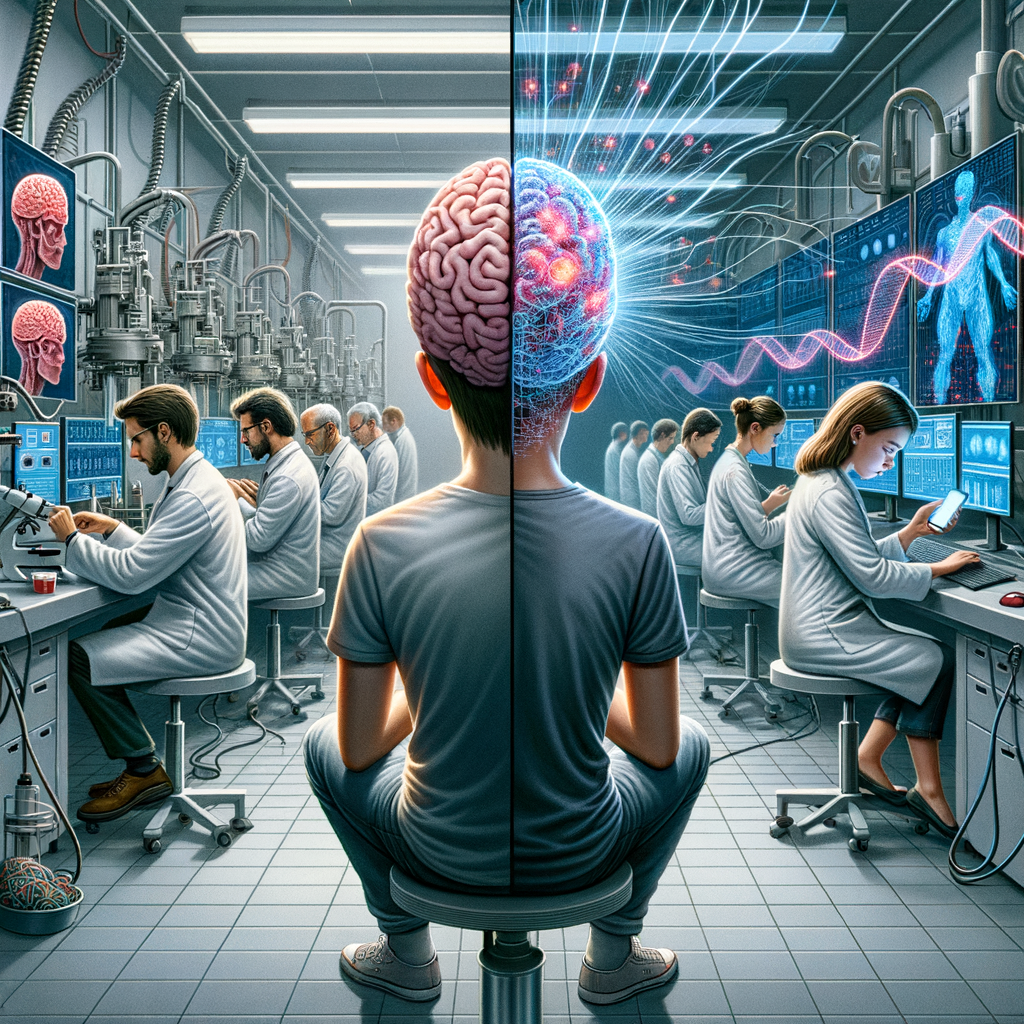
From the Mind to the Machine: Today’s Breakthroughs and Challenges in Science & Health
Today’s headlines in science and health bring a sweeping look at the complexities of the human mind, the evolving intersection of technology and medicine, and the growing challenges posed by artificial intelligence. From ongoing struggles in psychedelic medicine trials to the pervasive use of AI-generated sexual images among adolescents, the latest research highlights both the promise and perils at the frontiers of health, neuroscience, and society.
What Happened
Psychedelic Substances and Clinical Trials
New reports indicate that mind-altering substances, such as psychedelics, continue to fall short in clinical trials for mental health treatment. Many trials are stymied by profound placebo effects—and the so-called “knowcebo” effect—where participants’ expectations shape their experiences and outcomes. While these effects complicate research, they also underscore the intricate ways belief and perception influence health and healing.
Coffee and Brain Health
A broad review of decades-long data suggests a silver lining for those who enjoy their daily coffee. Individuals who regularly consume moderate amounts of coffee appear to fare better in terms of brain gray matter preservation, hinting at possible neuroprotective benefits. The findings add nuance to the ongoing debate over coffee’s long-term health effects.
Advances in Brain Preservation
In a development with profound ethical and scientific implications, researchers have successfully frozen a pig’s brain while maintaining cellular activity and minimizing damage. This leap in cryopreservation raises the possibility that, in the future, similar techniques could be used for terminally ill patients, with the speculative hope of reconstructing consciousness and potentially “continuing life” after death.
Cannabis and Mental Health
The largest review to date on medicinal cannabis and mental health finds no strong evidence that cannabis effectively treats anxiety, depression, or PTSD. Despite widespread use for these conditions, the study warns that cannabis may worsen mental health outcomes—raising risks such as psychosis and addiction, and delaying access to proven therapies. Limited benefits were observed for insomnia and autism, but the evidence remains weak. The findings are prompting calls for stricter oversight as cannabis use increases.
Adolescent Use of AI-Generated Sexual Images
A landmark, nationally representative survey of U.S. adolescents reveals that generative AI tools for creating sexualized images are widely used among teens. Over half of surveyed 13–17-year-olds reported creating or receiving such images, with significant levels of non-consensual creation and sharing. Male participants reported higher involvement, but the phenomenon cuts across demographic groups. The normalization and extent of these practices raise urgent questions for policymakers and educators.
Why It Matters
Today’s developments highlight the persistent gaps between scientific promise and practical outcomes. The struggles of mind-altering substances in clinical trials reflect the complexity of treating mental illness and the powerful role of expectation in medicine. Coffee’s potential brain benefits offer a rare piece of positive news in public health, though further research is needed to clarify mechanisms and risks. The advances in brain preservation invite both awe and ethical debate, as the possibility of reanimating consciousness challenges fundamental concepts of life and death.
The cannabis review underscores the necessity of rigorous, evidence-based approaches to mental health, especially as cultural acceptance outpaces the science. Finally, the widespread use of generative AI for sexualized images among adolescents exposes a rapidly evolving frontier with serious consequences for privacy, consent, and well-being. This normalization of AI-driven image manipulation signals a need for swift policy and educational interventions to protect vulnerable populations.
Key Stats
- 55.3% of surveyed U.S. adolescents (ages 13–17) reported creating at least one AI-generated sexualized image; 54.4% had received such images.
- 36.3% reported having a non-consensual image created of themselves; 33.2% had at least one image non-consensually shared.
- In the largest review to date, cannabis was found ineffective for anxiety, depression, or PTSD, and may increase risks like psychosis and addiction.
- Moderate coffee consumption is associated with better preservation of brain gray matter, according to decades of observational data.
- Researchers have preserved a pig’s brain via freezing with minimal cellular damage, igniting debate over future applications in human medicine.
What’s Next
Looking ahead, the medical and scientific communities face critical challenges. Expect further research into the mechanisms behind placebo effects in psychiatric trials and renewed scrutiny of cannabis as a mental health intervention. The ethical and technical questions raised by brain preservation are likely to fuel debate in bioethics and regulatory circles. Meanwhile, the normalization of AI-generated sexual imagery among adolescents will require urgent action from policymakers, tech developers, and educators to address legal, psychological, and social risks. As the intersection of technology, health, and society grows more complex, ongoing dialogue and evidence-driven policy will be essential to navigate the risks and harness the benefits of innovation.