Breakthroughs and Barriers: Science & Health Innovations on March 29, 2026
Today in Science & Health, researchers and regulators alike are pushing boundaries—whether in the quest for more reliable lie detection, developing sustainable packaging technologies, or redefining the limits of medical science. Meanwhile, weather warnings and new aviation safety rules remind us of the ever-present need for adaptation and vigilance in daily life and public health.
What Happened
Rethinking Truth Detection
The reliability of polygraphs—long touted as a tool for detecting lies—continues to come under scrutiny. Despite decades of use, their scientific validity remains contested, prompting researchers to explore alternatives. However, experts caution that the prospect of a truly foolproof lie detection method may be fundamentally out of reach, raising questions about the future of truth verification in security and legal contexts.
Advances in Sustainable Packaging
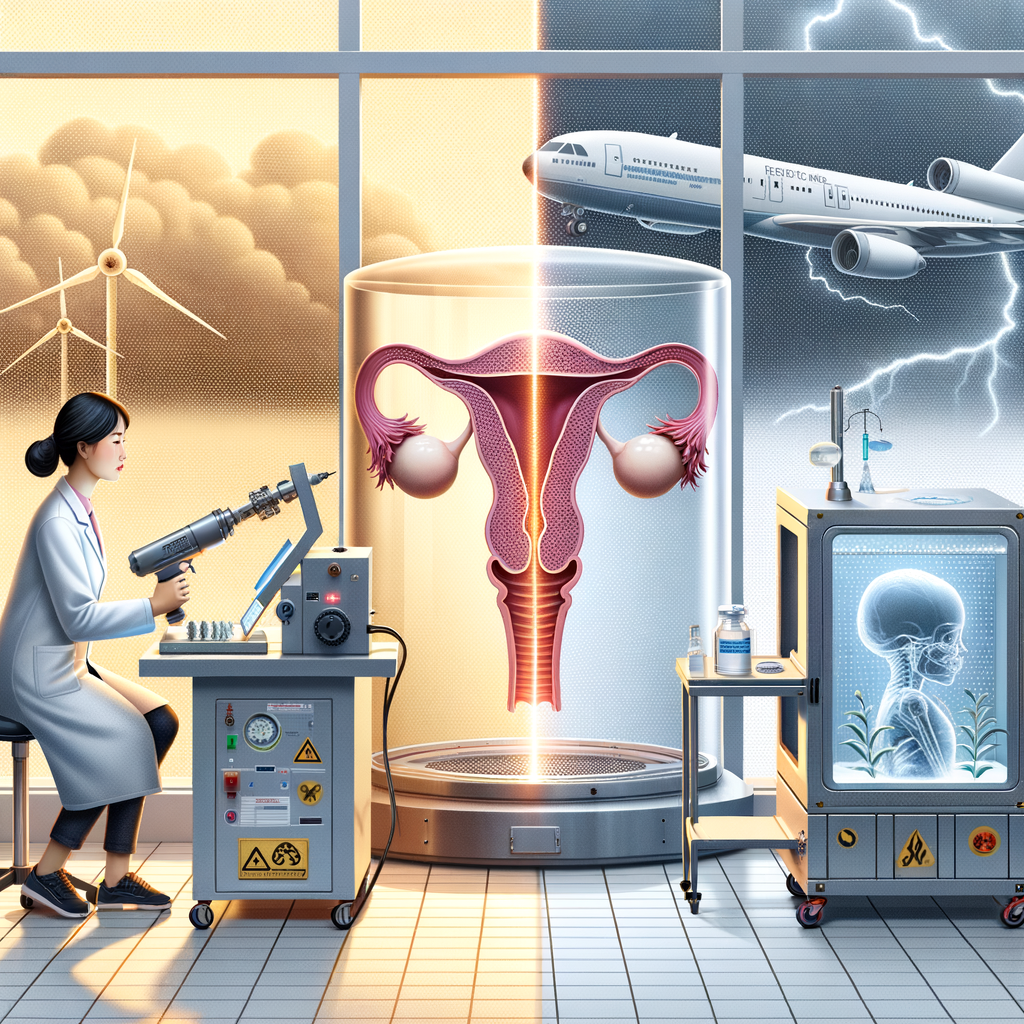
A consortium of four Fraunhofer institutes unveiled progress on the PAPURE project, which aims to revolutionize paper packaging. Traditional paper-based packaging often requires adhesives or plastic layers for sealing, complicating recycling and increasing environmental impact. The new laser-based process eliminates the need for adhesives entirely, potentially allowing for 100% recyclable, adhesive-free paper packaging. This could significantly reduce both CO₂ emissions and waste in the packaging industry.
A Medical Milestone: Uterus Sustained Outside the Body
For the first time, scientists have successfully kept a human uterus alive outside the body. The team behind this achievement intends to use the organ to study uterine disorders and the earliest stages of pregnancy. Looking further ahead, they may even attempt to grow a human fetus ex utero, a development that could transform reproductive medicine and fertility research.
Power Bank Restrictions in Aviation
The International Civil Aviation Organization (ICAO) announced new restrictions on lithium battery-powered power banks for air travel. Effective March 27, 2026, passengers will be limited to carrying two power banks, and recharging them during flights will be prohibited. These measures are designed to address emerging safety concerns, following growing incidents involving lithium batteries. Flight crew will retain the ability to use power banks as required for operational safety.
Weather Watch: Brief Respite in Italy
Italy experienced a short-lived break from inclement weather, but meteorological forecasts predict a return of rain and strong winds in the coming week. Experts warn that the respite will be brief, and citizens should prepare for renewed cold and wet conditions.
Patient Voices: Navigating Cancer Treatment
A personal account highlighted the challenges faced by patients with bone cancer—specifically osteosarcoma in the upper spine—when standard treatments and clinical trials have been exhausted. The narrative underscores the importance of patient agency and the ongoing need for novel therapies and compassionate care pathways.
Why It Matters
These developments collectively illustrate the dynamic interplay between innovation, regulation, and lived experience in science and health. The search for more reliable truth detection tools points to enduring ethical and scientific dilemmas. The move toward adhesive-free, recyclable packaging reflects growing environmental consciousness and industry adaptation. The successful maintenance of a uterus outside the body could redefine reproductive possibilities and deepen our understanding of human development. New aviation regulations highlight the balance between technological convenience and safety, while persistent weather disruptions and patient stories remind us of the unpredictability of nature and the resilience of the human spirit.
Key Stats
- ICAO’s new aviation safety rules on power banks take effect March 27, 2026, limiting passengers to two devices each.
- Four Fraunhofer institutes are collaborating on the PAPURE project for adhesive-free paper packaging.
- The successful ex vivo preservation of a human uterus marks a global first in medical science.
- Italy is set to face another wave of rainfall and strong winds in the upcoming week, following a brief respite.
- Osteosarcoma in the T5 vertebrae highlights the ongoing need for advanced cancer treatments beyond standard protocols.
What's Next
Expect ongoing debate and research in the field of lie detection, with a focus on balancing scientific rigor and societal needs. The packaging industry may soon see wider adoption of laser-sealed, adhesive-free materials, pending scalability and regulatory approval. In medicine, the next steps for ex vivo uterine research could include studies of reproduction and disease, with far-reaching ethical and clinical implications. Aviation authorities and airlines will monitor the impact of new lithium battery restrictions, potentially revising protocols as new data emerges. Meanwhile, meteorologists and public agencies in Italy will continue to issue alerts and support communities affected by unstable weather. For patients facing difficult diagnoses, advocacy for expanded treatment options and support systems remains critical.