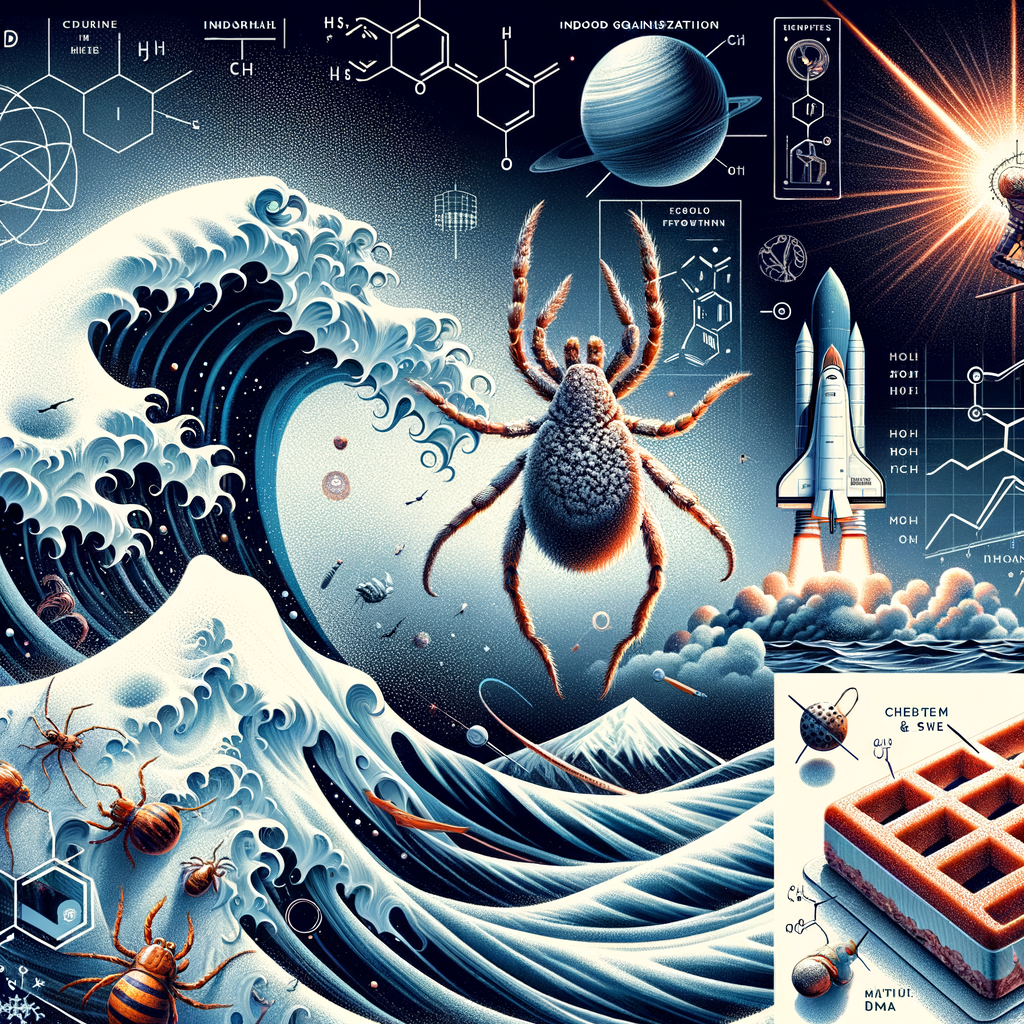
Science & Health Roundup: Water Warnings, Weather Alerts, and Surprising Discoveries in Nature
Today's science and health headlines span urgent weather alerts in Europe, new questions about food additives, and intriguing findings on the behavior of water and pollinators. From policy shifts in water fluoridation to advances in medical data, the breadth of innovation and concern signals a busy day for researchers, clinicians, and the general public alike.
What Happened
Public Health & Policy
A notable controversy unfolded as a water utility announced its decision to stop fluoridating the water supply—only to reveal it had already done so years ago. The reversal, prompted by unsubstantiated health concerns, underscores the ongoing debate over public water additives and the need for evidence-based policy.
Meanwhile, in the digital health sector, Italy marked a milestone with the mandatory updating of the Fascicolo Sanitario Elettronico (Electronic Health Record). From now on, both public and private healthcare institutions are required to consistently update patient data, aiming to improve care continuity and data access.
Environmental & Weather Alerts
Italy’s Centro-Sud region faces significant weather disruptions, with yellow alerts issued for high winds and heavy snowfall—even in hill regions. This marks the onset of a new wave of severe weather, driven by a cold mass of polar maritime air descending from Northern Europe. The timing of these events, just before the Easter holiday, has heightened concerns about travel and public safety.
Research & Health Risks
Research continues to uncover unexpected health risks in everyday products. Scientists have identified a link between a popular sugar alcohol—frequently found in protein bars and zero-sugar energy drinks—and an elevated risk of stroke and blood clots. The chemical appears to alter the function of two key blood clotting regulators, warranting closer scrutiny of food additives touted as healthy alternatives.
At home, new findings reveal that bloodsucking ticks can survive indoors much longer than previously thought, emphasizing the importance of thorough tick checks after outdoor activity.
Scientific Discovery
In fundamental science, researchers discovered that water exists in two different liquid forms, helping explain why ice floats—a longstanding puzzle in physics and chemistry. This insight could have wide-ranging implications for our understanding of water's unique properties.
Elsewhere, pollinators like bees and hummingbirds have been found to consume trace amounts of alcohol in floral nectar. Although the concentrations are too low to intoxicate them, this finding opens new avenues in the study of plant-animal interactions.
Space Science & Technology
An X-class solar flare and coronal mass ejection have complicated plans for the Artemis 2 mission, potentially threatening the most anticipated crewed space launch in over 50 years. In Europe, the region's space economy is accelerating, with satellite technologies and collaborative efforts driving innovation and new launch capabilities.
On the medical front, Mantis Biotech is developing "digital twins"—synthetic datasets representing human anatomy, physiology, and behavior—to address persistent problems of data availability in biomedical research.
Technology in Daily Life
Finally, a deep dive into oil life monitors reveals that while these algorithms are sophisticated, they are not infallible—reminding consumers of the importance of manual checks alongside automated systems.
Why It Matters
Today's developments highlight the interplay between human health, environmental change, and technological progress. Policy shifts, such as those around fluoridation and digital health records, directly impact public well-being and trust. Meanwhile, emerging risks—from food additives to tick-borne diseases—reinforce the need for ongoing vigilance and research. Scientific discoveries about water and pollinators not only expand our knowledge but may influence future approaches in agriculture, climate science, and medicine. The challenges facing major space missions and the rise of digital health solutions underscore the complexity—and promise—of tomorrow’s innovations.
Key Stats
- 6 Italian regions placed under yellow weather alert for high winds and snowfall.
- 2 key blood clot regulators altered by a common sugar alcohol in protein bars and drinks.
- Artemis 2: Most anticipated crewed space launch in over 50 years threatened by solar activity.
- New findings: Ticks can survive indoors for significantly longer periods than previously estimated.
- Digital twins: Mantis Biotech aggregates disparate datasets to represent human physiology and behavior for research.
What's Next
In the coming days, Italy will monitor severe weather impacts, with potential disruptions to travel and infrastructure. Public health officials may revisit fluoride policies as new evidence emerges, and regulatory agencies are likely to reassess the safety of popular food additives. The Artemis 2 team will evaluate solar activity risks and adjust launch plans accordingly. Advances in digital health and synthetic data are expected to accelerate, promising new tools for personalized medicine and clinical research. Ongoing research into the fundamental behaviors of water and pollinators could reshape scientific understanding and inform future environmental and agricultural strategies.