Science & Health Roundup: NASA’s Artemis II, Lifestyle Longevity Gains, and the Next Wave of AI Health Tools
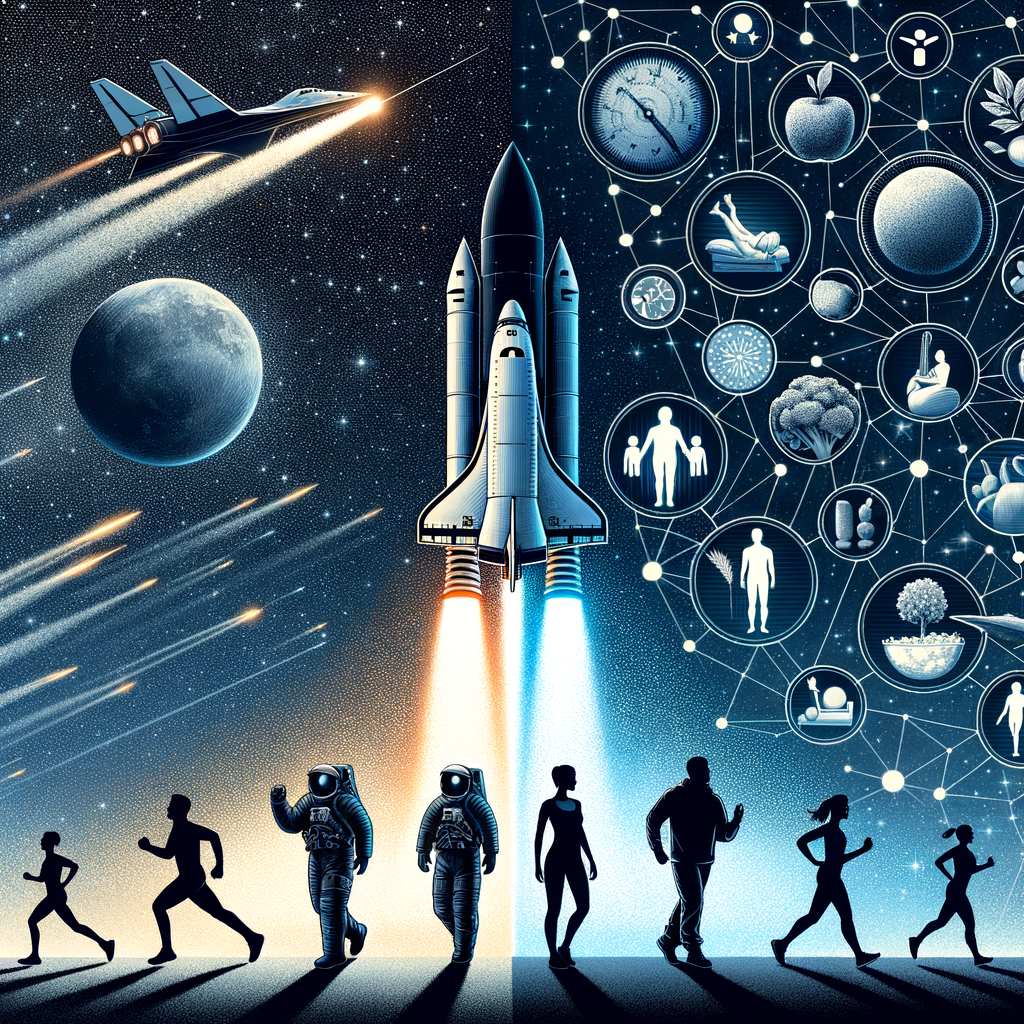
Today’s science and health headlines span the cosmos and the clinic, from NASA’s long-awaited Artemis II lunar mission countdown to new research revealing how minor lifestyle tweaks could extend your lifespan. Advances in rare disease treatment and the growing influence of AI in healthcare underline the rapid pace of innovation, while ongoing debates about best practices—like when to drink your morning coffee—remind us that the quest for better health is both personal and global.
What Happened
Space Exploration: Orion and Artemis II
NASA’s Artemis II mission is capturing global attention as the agency began its official countdown for the first crewed mission to the Moon in over half a century. Building on earlier Orion launches, this mission marks a turning point, with four astronauts set to orbit the Moon—a feat not attempted since the Apollo era. The excitement is palpable, with guides emerging on how to follow the launch, and participants reflecting on the different atmosphere compared to prior, uncrewed tests. The Artemis program aims to lay the groundwork for sustained lunar exploration and, eventually, crewed missions to Mars.
Health & Longevity: Small Changes, Big Impact
A new study is making waves with the claim that minimal daily adjustments can collectively add a year to your life. Researchers found that just five extra minutes of sleep, two minutes of exercise, and half a portion more of vegetables each day can measurably improve health outcomes. The study emphasizes the cumulative benefit of incremental changes in sleep, activity, and diet, suggesting that habit tweaks—rather than radical overhauls—may offer a practical path to longevity.
Coffee Timing and Brain Health
Neurologists are challenging conventional wisdom about morning routines, suggesting that consuming coffee too early may blunt its benefits. The latest advice urges waiting at least an hour after waking, aligning caffeine intake with natural cortisol rhythms for better alertness and focus. This nuanced guidance reflects a broader trend toward optimizing daily habits for both immediate and long-term cognitive health.
Breakthroughs in Rare Disease Treatment
On the medical front, patients with C3 glomerulopathy—a rare kidney disorder—now have access to a new treatment option previously unavailable. Novartis announced the approval of iptacopan, a targeted therapy designed to address the underlying causes of C3G rather than just its symptoms. Nephrologists hail the drug as a long-awaited advance that fills a critical therapeutic gap for affected individuals.
AI in Healthcare: Promise and Peril
Healthcare AI is proliferating, with specialized chatbots and digital tools promising to bridge gaps in access and support patient care. However, experts caution that many of these tools remain largely untested in real-world settings. Without rigorous evaluation, it remains unclear whether they will deliver meaningful benefits or introduce unforeseen risks, particularly for vulnerable populations.
Other Scientific Curiosities
Researchers have made a surprising discovery: under certain conditions, liquids can crack with an audible “snap,” a phenomenon so counterintuitive that it required repeated experiments for verification. Meanwhile, new perspectives on visualizing radioactivity are emerging, capturing the imagination of scientists and the public alike.
Why It Matters
The convergence of space exploration, lifestyle research, medical breakthroughs, and AI-driven health solutions underscores a period of rapid scientific advancement. Artemis II represents both a symbolic and practical leap, revitalizing public engagement with lunar science and paving the way for future missions. On Earth, the realization that small, daily choices can meaningfully extend lifespan reframes public health messaging, making longevity seem more attainable. Meanwhile, the approval of new therapies for rare diseases highlights the ongoing expansion of precision medicine. However, the rise of AI in healthcare serves as a reminder that innovation must be matched by evidence and oversight to ensure real-world impact.
Key Stats
- Five extra minutes of sleep, two minutes of exercise, and half a portion of vegetables daily can add a year to your life, according to new research.
- Artemis II marks NASA’s first crewed mission to the Moon in 54 years, with four astronauts set for lunar orbit.
- Novartis’ new drug iptacopan is the first therapy approved for C3 glomerulopathy, a rare kidney disease affecting a small patient population.
- The proliferation of AI health tools is outpacing clinical validation, with uncertainties about their safety and efficacy.
What's Next
Expect global attention on the Artemis II launch as NASA moves closer to its lunar return, with potential ripple effects for space science and commercial ventures. In health, watch for further studies validating the impact of incremental lifestyle changes, potentially influencing guidelines and public campaigns. The rollout of iptacopan offers hope for rare disease patients and may inspire investment in other under-served conditions. Meanwhile, regulators and clinicians are likely to focus on evaluating and standardizing AI health tools to ensure safe integration into patient care.