From Moonshots to Mind-Bending Medicine: Today’s Science & Health Highlights
Today in Science & Health, humanity’s ambitions reached new heights—both literally and figuratively. As the Artemis II crew continues its historic journey toward the Moon, policymakers and scientists back on Earth are navigating pivotal challenges and breakthroughs, from budget debates to health tech innovation, ancient discoveries, and emerging AI applications in medicine.
What Happened
Space Exploration and NASA’s Future
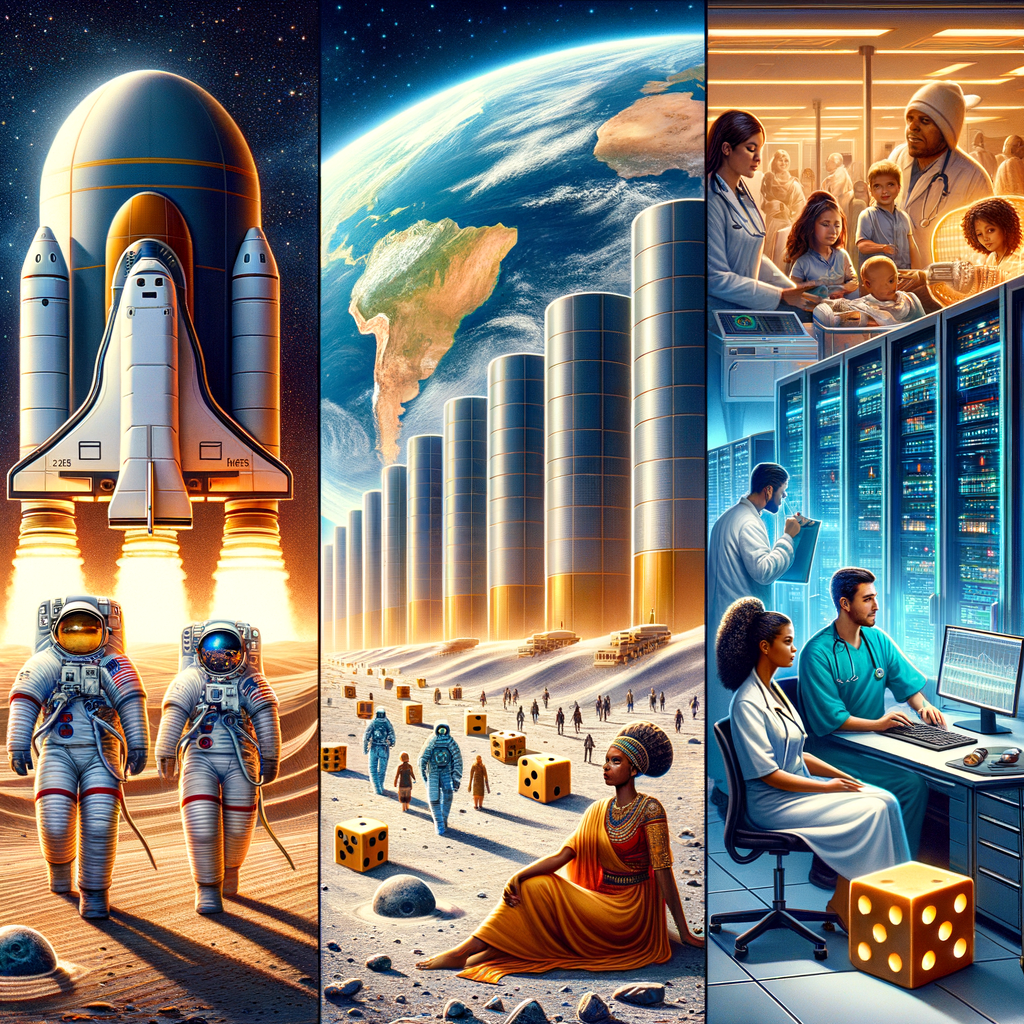
The Artemis II mission is capturing global attention as its astronauts become the furthest humans from Earth in decades. The crew has shared breathtaking images of our planet, highlighting both the technical achievement and the personal perspective of space travel. Despite the mission’s smooth progress, the White House has proposed steep cuts to NASA’s budget. However, Congress appears poised to reject these reductions, as it did last year, emphasizing the bipartisan support for lunar exploration and space science.
Uncovering Human Ingenuity — Past and Present
Recent archaeological findings suggest that Ice Age hunter-gatherers in the Americas may have developed an understanding of probability, as evidenced by the intentional use of dice-like objects. These insights reshape our perspective on early cognitive development and the roots of scientific thinking.
Health Innovations and Controversies
In medical news, Utah is pioneering the use of AI to renew drug prescriptions, marking a significant step toward digital healthcare. Meanwhile, the Apple Watch’s impact on health technology is being re-examined, with experts tracing the evolution of modern health tech back to Apple’s popular wearable.
Elsewhere, scientists have made a breakthrough in food science, developing a healthier method for producing crispy french fries. In another surprising study, researchers found that crafting googly eyes can deter gulls from stealing food—a simple intervention with practical implications.
A controversial chapter in pharmaceutical research came to a close as a judge dismissed a lawsuit against the infamous Paxil trial, which had already resulted in a massive settlement and a federal guilty plea over misleading claims about the drug’s safety for teens.
Psychedelics, Tobacco, and Artificial Intelligence
An AI-assisted study has enabled researchers to infuse tobacco plants with psychedelic compounds such as psilocybin and DMT. This innovation could streamline the production of these substances, potentially impacting both research and regulatory landscapes.
Climate and Infrastructure
A new study warns that data centers are creating heat islands extending up to six miles, contributing to urban warming and exacerbating air pollution and heat-related health risks. At the same time, the Rubin Observatory has set a new record by spotting over 11,000 asteroids, underlining the need for continued vigilance in planetary defense.
Weather and Wellbeing
After a spell of harsh winter weather in southern Italy, meteorological forecasts predict a return to spring-like conditions just in time for Easter, promising relief and improved wellbeing for residents.
Why It Matters
The developments of the day highlight the interplay between ambition, innovation, and responsibility. Artemis II not only advances scientific knowledge but also galvanizes public interest in space exploration. The proposed NASA budget cuts underscore the perennial tension between fiscal priorities and long-term investment in science.
Historical discoveries about early probability remind us that curiosity and systematic thinking are not modern inventions. In health, the adoption of AI and wearable technologies holds potential to streamline care and empower individuals, but also raises questions about oversight and accessibility. The ongoing scrutiny of pharmaceutical research and the integration of psychedelics into new domains signal a critical juncture in medical ethics, regulation, and innovation.
The environmental impact of digital infrastructure, highlighted by the heat island effect of data centers, calls for urgent attention as the demand for computing power grows. Meanwhile, simple behavioral interventions, such as deterring gulls with googly eyes, demonstrate that not all solutions require complex technology.
Key Stats
- Artemis II astronauts have captured and shared “spectacular” images as they travel farther from Earth than any humans in decades.
- The Rubin Observatory identified over 11,000 asteroids in a single observational campaign, setting a new record.
- Data centers can create artificial heat islands stretching up to 6 miles, amplifying urban heat and related health risks.
- Utah is the first state to authorize AI-driven renewal of drug prescriptions, signaling a shift in healthcare delivery.
- A landmark clinical trial involving the antidepressant Paxil resulted in a $3 billion settlement and a federal guilty plea in 2012.
What's Next
As Artemis II continues its journey, the world will be watching for further milestones and the mission’s safe return. Congressional debates over NASA funding will shape the future of American space exploration. In health, the integration of AI and new technologies will likely accelerate, with other states monitoring Utah’s experiment closely. Ongoing research into psychedelics and food science may lead to new treatments and healthier consumer choices. Finally, the environmental implications of digital infrastructure will move higher on the policy agenda as cities contend with the side effects of technological progress.