Artemis II Astronauts Make History, Science Sheds Light on Longevity and Mosquito Mysteries
Today in Science & Health, NASA’s Artemis II astronauts returned safely to Earth following a groundbreaking lunar mission, setting new records in human space travel. Meanwhile, researchers revealed advances in genetics that may unlock the secrets of longevity, and new insights into mosquito behavior could lead to better disease prevention. AI’s role in health care continues to grow, but with mixed results. Here’s a closer look at the day’s top developments.
What Happened
Lunar Triumph: Artemis II Returns
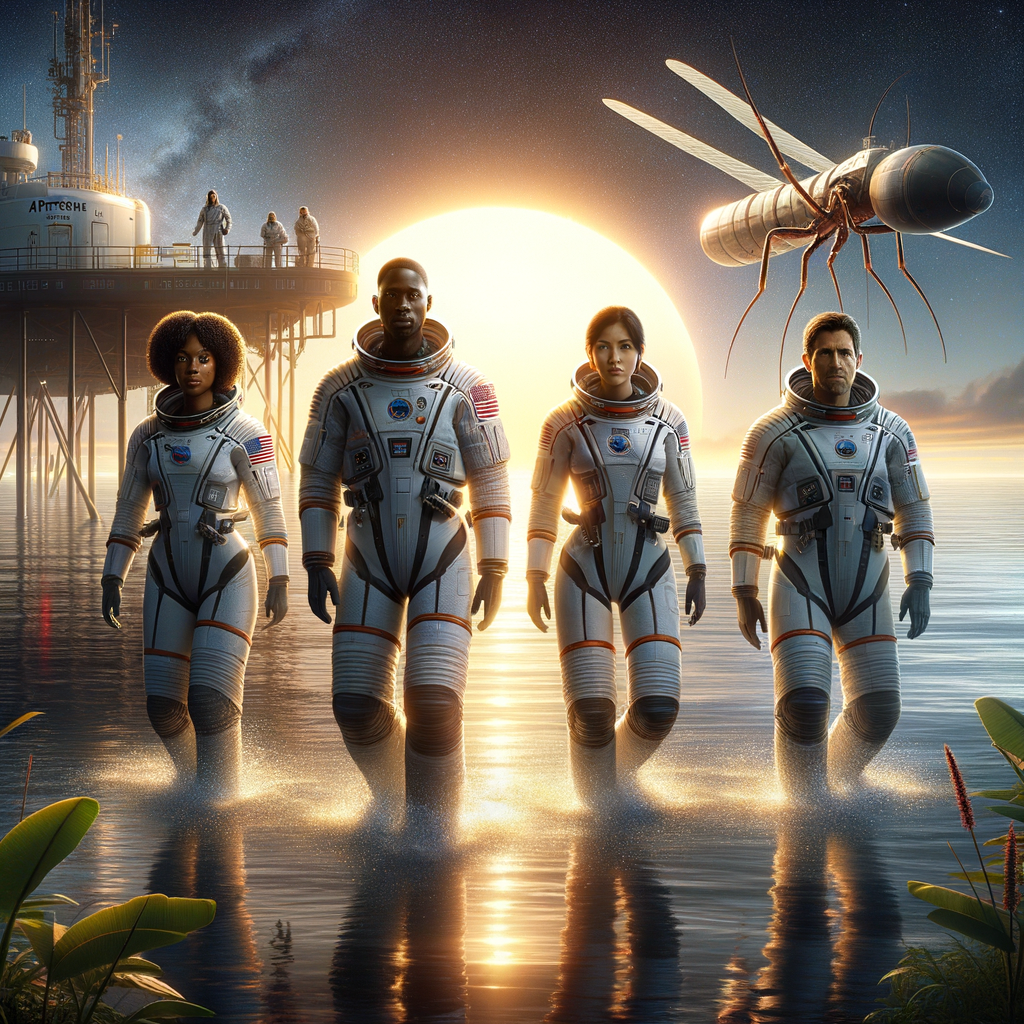
After a 10-day journey to the Moon and back, NASA’s Artemis II astronauts splashed down near San Diego, marking a new milestone in space exploration. The mission, carried out by the crew aboard the Integrity craft, achieved the farthest distance from Earth ever traveled by humans and concluded with a flawless reentry and landing in the Pacific Ocean. The mission’s success is being lauded as a critical step toward future lunar and Mars expeditions. NASA now faces the challenge of leveraging this momentum for upcoming Artemis missions.
Genetics and Longevity: Unlocking the Secrets of Centenarians
Italian researchers led by Annibale Puca have identified a genetic variant that appears to protect against age-related illnesses. The study, conducted at the University of Salerno, found that carriers of this gene variant tend to live longer and healthier lives. This discovery fuels hopes for interventions that could increase lifespan and quality of life by targeting the biological mechanisms of aging.
Mosquito Mysteries: Understanding Human Attraction
A new study has quantified how mosquitoes select their human targets. By analyzing flight path data, scientists determined the factors that make certain people more attractive to mosquitoes. This research paves the way for developing more effective mosquito traps and could play a vital role in combating mosquito-borne diseases worldwide.
AI in Health: Promise and Reality
While AI health technologies continue to proliferate, with over 40 million people reportedly using ChatGPT for health advice daily, the anticipated breakthrough in AI-discovered drug approvals has yet to materialize. Despite the sector’s rapid growth, no AI-generated drug has received regulatory approval, highlighting the gap between technological potential and real-world medical impact.
Weather Update: Italy Faces Sudden Shift
Italy, gripped by unseasonably high temperatures reaching up to 30°C, is bracing for an abrupt change as a weather system from Northern Europe is expected to break the heatwave, bringing rain and storms starting April 12.
Why It Matters
The Artemis II mission’s successful completion signals a new era in crewed spaceflight, demonstrating the viability of longer, more ambitious missions beyond low Earth orbit. These advances lay the groundwork for returning humans to the lunar surface and, eventually, Mars. Scientific progress in understanding genetics and mosquito behavior holds promise for extending human healthspan and reducing the global burden of vector-borne diseases. Meanwhile, the ongoing reality check on AI’s medical capabilities underscores the complexities of integrating new technologies into healthcare and the need for cautious optimism.
Key Stats
- Artemis II astronauts spent 10 days in space, making the farthest journey from Earth by any human crew to date.
- The Artemis II capsule, Integrity, splashed down off San Diego just after 5:07 p.m. Pacific Time.
- Over 40 million people use ChatGPT for daily health advice, yet no AI-discovered drug has been approved.
- Italian temperatures hit highs of 30°C before a predicted weather shift.
- Research identified a gene variant associated with longevity and protection from age-related diseases.
What's Next
NASA will now assess the Artemis II mission’s data and prepare for Artemis III, which aims to land astronauts on the lunar surface. Genetic research into longevity may soon inform clinical trials targeting aging-related diseases. Scientists will use new mosquito behavior data to design improved traps, potentially reducing the spread of diseases like malaria and dengue. In health tech, the industry awaits tangible clinical breakthroughs from AI, with regulatory approval for AI-discovered drugs still on the horizon. Italy’s weather will transition from heatwaves to storms, providing relief but also posing new challenges.