From Quantum Mysteries to Medical Breakthroughs: Science & Health Highlights for April 14, 2026
Today’s roundup in Science & Health brings together landmark achievements in physics, transformative advances in medicine, and the growing impact of technology on health and environmental conservation. From a final resolution to the proton radius puzzle to AI-driven innovation in field biology, the breadth of discovery underscores how rapidly science is changing—and how these shifts may soon affect daily life.
What Happened
Physics and the Nature of Reality
Scientists have reportedly cracked the age-old debate of wave versus particle, providing new clarity on one of quantum mechanics’ most fundamental questions. In parallel, physicists believe they’ve finally resolved the proton size puzzle, closing a contentious chapter that has challenged our understanding of atomic structure for decades. Meanwhile, researchers simulating Mercury’s formation found sulfur was as crucial to its evolution as oxygen was to Earth’s, altering our view of planetary chemistry.
Medical Milestones
In Oslo, a man has become the first person cured of HIV through a bone marrow transplant from his brother—a procedure that could inspire new treatment pathways. On the cancer front, a Phase III clinical trial of Revolution Medicines’ experimental pill, daraxonrasib, nearly doubled survival rates for patients with advanced pancreatic cancer, offering renewed hope against one of the deadliest cancers. Meanwhile, more than 1.5 million Italians with psoriasis are the focus of a major campaign aimed at improving diagnosis and access to therapies.
Health Technology and AI
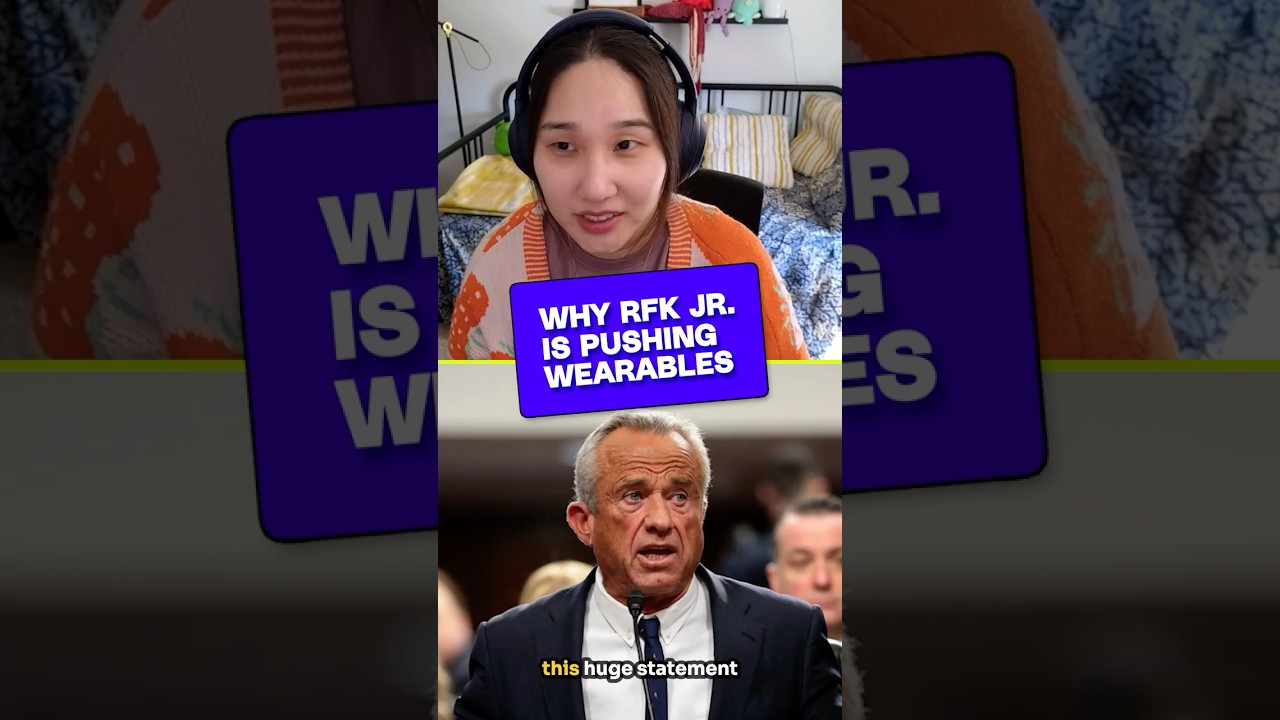
The role of AI in health continues to expand. As Americans increasingly turn to AI chatbots for medical advice, hospitals are racing to integrate these tools into patient care. Science Corp, led by former Neuralink president Max Hodak, is preparing to place a 520-electrode brain sensor in a human subject, with the aim to treat neurological conditions—trials could begin as soon as 2027. On a different front, Robert F. Kennedy Jr.’s push for health wearables has stirred debate about their overall effectiveness and public health implications.
In conservation science, the Jane Goodall Institute is leveraging generative AI and cloud computing to unlock decades of field data, using new tools to identify chimpanzees and extract behavioral insights, all while emphasizing ethical and community-led approaches.
Environmental Concerns and Weather
Severe weather is a pressing theme, with tens of millions from Texas to Maine bracing for storms and tornadoes. In Italy, eight regions face a yellow weather alert due to thunderstorms, hail, and strong winds, underlining the growing importance of climate resilience.
Science Commercialization
Inertia has signed key agreements with Lawrence Livermore National Laboratory to commercialize an advanced fusion reactor, signaling a step closer to practical, clean energy from one of the world’s most complex science experiments. Meanwhile, concerns mount over potential drug shortages in the European Union linked to geopolitical tensions and supply chain vulnerabilities, particularly around the Strait of Hormuz.
Why It Matters
Today’s developments highlight both incremental and transformative changes with far-reaching implications. Resolving longstanding physics puzzles not only clarifies our understanding of the universe but also strengthens the foundation for future technologies. Medical breakthroughs—from HIV cures to cancer therapies—offer tangible hope for millions and pave the way for new treatment paradigms.
The integration of AI into healthcare and environmental science raises questions about ethics, data sovereignty, and the pace of change, while also promising greater efficiency and insight. Amid these advances, the heightened threat posed by severe weather and supply disruptions draws attention to ongoing challenges in public health and infrastructure resilience.
Key Stats
- Over 1.5 million Italians are affected by psoriasis, with 9 in 10 reporting major impacts on daily life.
- A Phase III trial of daraxonrasib nearly doubled survival rates for patients with metastatic pancreatic cancer compared to chemotherapy.
- Tens of millions of people in the U.S. are under severe storm and tornado warnings this week.
- Science Corp’s brain sensor will use 520 electrodes and could enter human trials as soon as 2027.
- Eight Italian regions are under yellow weather alerts for extreme conditions.
What's Next
Expect further validation and potential clinical roll-out for the new pancreatic cancer drug if additional trials confirm the early results. The success of Science Corp’s brain sensor trials could open doors to new treatments for neurological disorders within the next few years. Advances in AI for conservation science suggest a future where vast datasets are quickly analyzed for actionable insights, potentially transforming how we protect biodiversity.
On the energy front, Inertia’s fusion reactor commercialization will be closely watched as a bellwether for clean energy’s viability. Meanwhile, ongoing geopolitical instability may continue to stress pharmaceutical supply chains and public health planning in Europe. As severe weather events become more frequent, the demand for resilient infrastructure and proactive health responses will only grow.