From Lunar Reactors to Medical Mishaps: Today’s Science & Health Highlights
Today in Science & Health, the landscape shifted on multiple fronts—from advancements in space technology and renewable energy to sobering reminders of the human factors in medicine. As NASA eyes nuclear power on the Moon and the U.S. marks a renewable energy milestone, new research, regulatory initiatives, and even a high-profile medical error made headlines.
What Happened
Medical Developments & Challenges
A Florida surgeon has been criminally charged after fatally removing a patient’s liver instead of his spleen, marking the second time this individual has excised the wrong organ. This tragic case underscores persistent concerns around surgical safety and oversight.
In diabetes care, a new review in “Trends in Endocrinology” suggests that afternoon walks may be more effective for glycemic control than morning activity, especially for those with type 2 diabetes. This finding adds nuance to daily management strategies for millions living with the disease.
For health tech enthusiasts, a closer look at Apple Watch calibration emphasizes the importance of a 20-minute test to ensure personalized, accurate activity data. As wearables become integral to self-care, best practices in device setup are increasingly critical.
Space & Energy Innovations
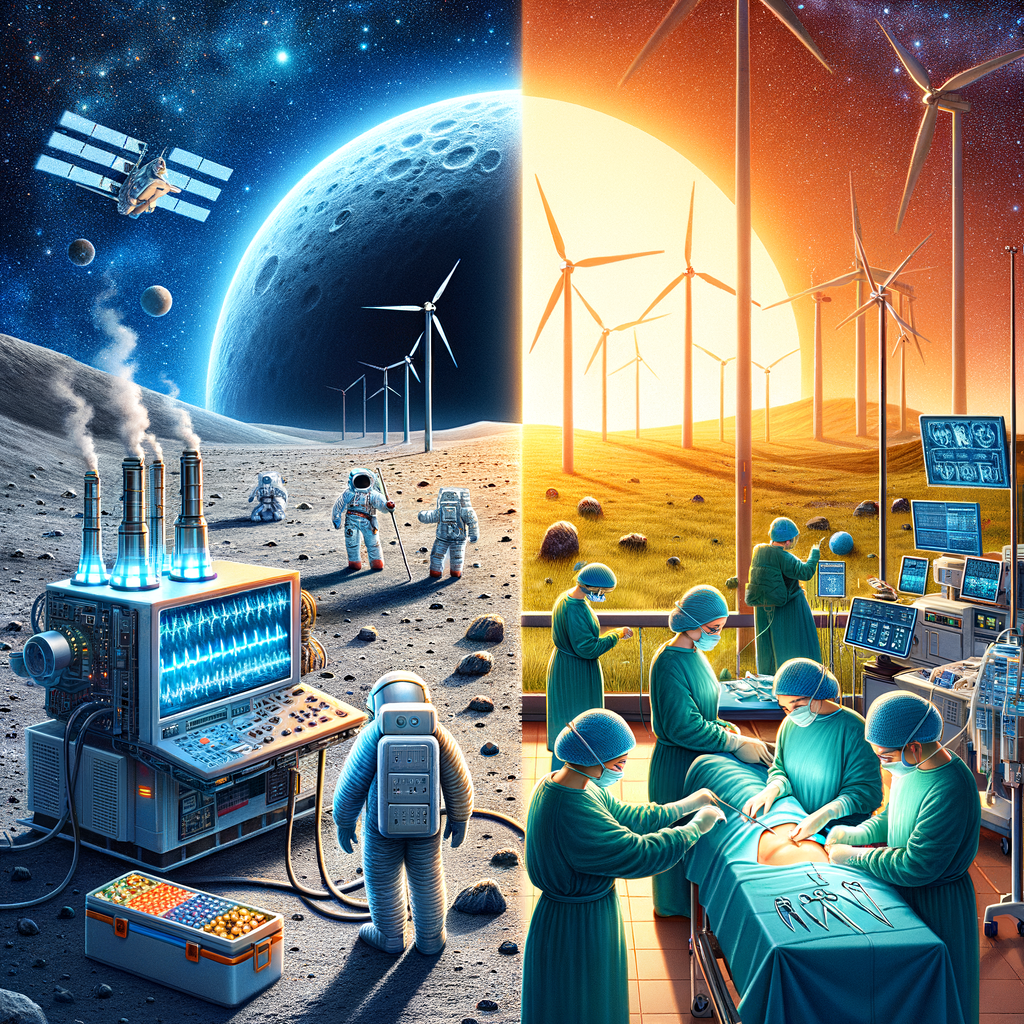
NASA, in collaboration with the Departments of Defense and Energy, announced plans to deploy nuclear reactors both in lunar orbit and on the Moon’s surface, aiming for operational capacity within five years. This ambitious move is designed to support long-term lunar missions and the future of off-planet infrastructure.
Meanwhile, U.S. renewable power generation has, for the first time, surpassed electricity produced from natural gas. This symbolic crossover signals accelerating momentum for clean energy, despite recent policy headwinds.
Research & Regulation
Scientists have discovered trace amounts of ink from ballpoint pens in Martian meteorite samples. While this does not undermine prior findings, it raises concerns about sample contamination and the need for unified protocols in handling extraterrestrial materials.
On the regulatory front, the Italian agritech sector saw the presentation of a new “Manifesto for Biocontrol” by FederBio and Agrofarma. The initiative aims to inform authorities about non-chemical crop protection methods, promoting sustainable agriculture.
Interdisciplinary Perspectives
Musician and entrepreneur Aloe Blacc discussed the intersection of biotech and AI, sharing insights into how creative professionals are influencing—and being influenced by—rapid technological change.
And in the world of mathematics, a personal blog reminded us that not all elementary mathematical functions can be neatly captured with exponential-minus-logarithmic expressions, highlighting the endless frontiers of scientific inquiry.
Why It Matters
Today’s developments illustrate both the promise and complexity of modern science and health. The NASA lunar reactor project reflects a strategic shift toward sustainable space exploration, while the U.S. renewable energy milestone suggests that clean power is not just plausible but increasingly inevitable.
Conversely, the Florida surgical case is a stark reminder that even as technology advances, medical errors can have fatal consequences. The growing sophistication of wearables and the emphasis on correct calibration speak to a broader trend of personal health empowerment.
Regulatory moves in biocontrol and contamination findings in meteorite research underscore the importance of rigorous standards and cross-sector collaboration. Meanwhile, thought leaders from music and biotech are blurring industry boundaries, suggesting that scientific progress is now a deeply interdisciplinary endeavor.
Key Stats
- U.S. renewable power generation surpassed natural gas for the first time in national history, marking a turning point in the energy mix.
- NASA aims to deploy nuclear reactors on the Moon within five years, accelerating the timeline for lunar infrastructure.
- Afternoon walks were found to improve glycemic control more than morning walks for people with type 2 diabetes, according to a recent review.
- A Florida surgeon has now twice removed the wrong organ during procedures, leading to criminal charges in the latest case.
- Trace amounts of ballpoint pen ink were detected in Martian meteorite samples, spotlighting contamination risks in planetary science.
What's Next
Expect continued investment in space-based nuclear energy as NASA and its partners target a lunar launch within this decade. Clean energy advocates will likely leverage the latest U.S. power generation statistics to press for further policy action. In healthcare, both tragic errors and advances in personal monitoring will fuel ongoing debates about safety, regulation, and patient empowerment.
New research in diabetes and agricultural biocontrol suggests a growing emphasis on individualized care and sustainable practices. Finally, the convergence of creative and scientific fields may lead to unexpected innovations—particularly as artificial intelligence and biotech increasingly overlap.