NASA Innovations, AI Health Warnings, and Lunar Dust Hazards: Key Science & Health Updates
Today's Science & Health news brings a blend of technological innovation and cautionary insights. NASA unveils a new initiative, experts warn about the health implications of prolonged AI use, and scientists revisit the toxic nature of lunar dust as we look ahead to future Moon missions.
What Happened
NASA Force: A New Chapter in Space Exploration
NASA announced "NASA Force," a strategic initiative aimed at enhancing the agency's operational capabilities. While details remain limited, NASA Force is expected to integrate advanced automation and robotics into mission planning, logistics, and execution. This shift comes as the agency prepares for more complex crewed and uncrewed missions to the Moon, Mars, and beyond.
AI Use: Health Risks and Safe Practices
A new advisory highlights growing concerns about the health and productivity impacts of extended AI use. While AI tools excel at handling routine, well-defined tasks, experts caution that excessive reliance can lead to cognitive fatigue, reduced creative thinking, and decreased job satisfaction. Four practical strategies are outlined for users to stay safe:
- Limit continuous AI use to short, focused sessions.
- Regularly fact-check AI-generated content.
- Maintain a balanced workflow by combining AI with human judgment.
- Take frequent breaks to avoid mental burnout.
The message is clear: AI is a powerful assistant, not a replacement for human discernment.
The Toxic Side of the Moon: Lunar Dust Hazards
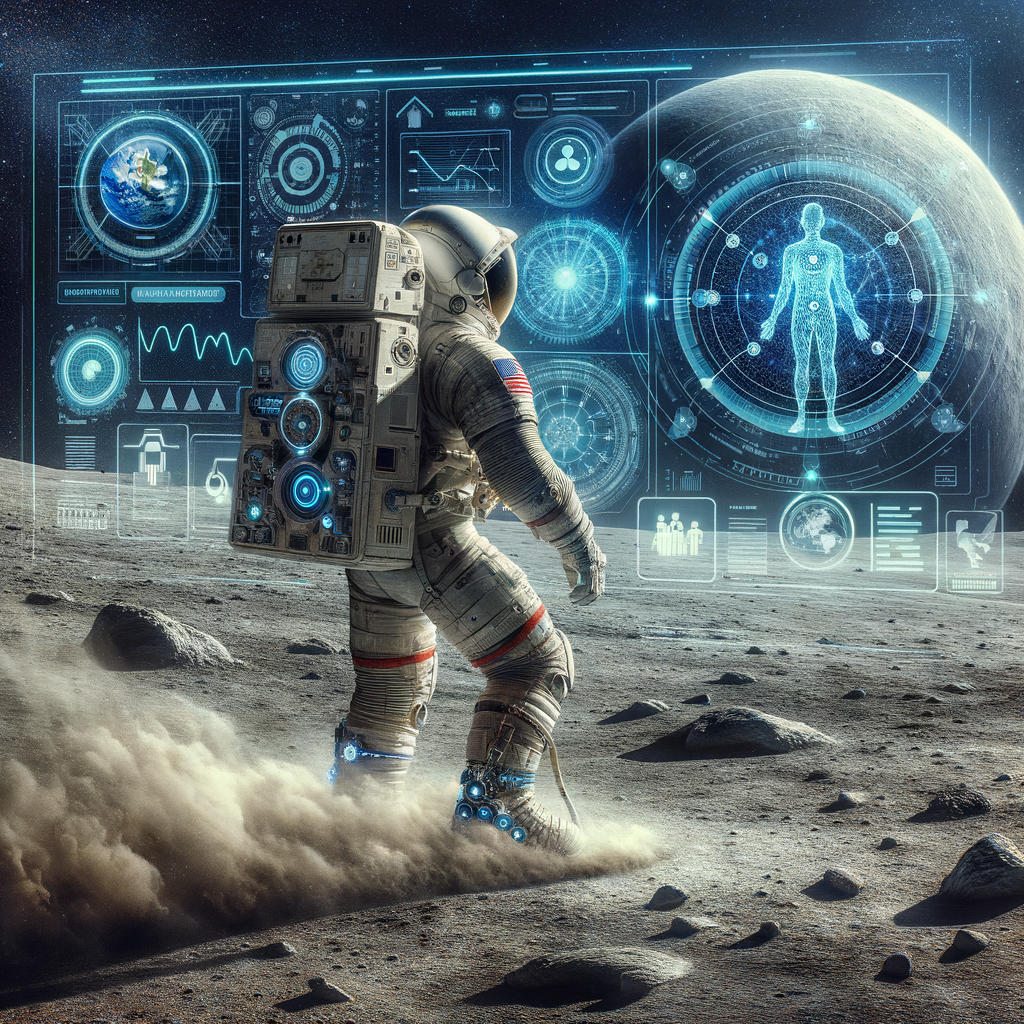
Revisiting accounts from Apollo astronauts, scientists are examining the physical and toxicological challenges posed by lunar dust. When astronauts returned to their lunar module, dust clung to their suits, irritating their eyes and throats. Lunar dust is composed of jagged, abrasive particles formed by micrometeorite impacts, with properties that make it more hazardous than Earth dust. New research focuses on understanding the long-term health effects and developing protective measures as NASA and international partners plan for extended lunar stays.
Why It Matters
NASA Force signals a critical evolution in how space missions are planned and executed, with implications for efficiency and safety in deep space exploration. The warnings about AI overuse address a growing workplace and societal trend, reminding individuals and organizations to adopt mindful digital habits. Understanding lunar dust toxicity is essential as humanity prepares for renewed lunar exploration, ensuring astronaut safety and mission success.
Each development reflects a broader theme: technology can propel us forward, but it also introduces new risks that must be proactively managed.
Key Stats
- Lunar dust particles are up to 100 times sharper than desert dust found on Earth, increasing the risk of respiratory and ocular irritation.
- Apollo astronauts reported throat and eye discomfort after less than two hours of exposure to lunar dust.
- Surveys show that over 60% of professionals now use AI tools daily, but only 23% regularly verify AI-generated outputs.
- NASA's new initiative, "NASA Force," is expected to support over 50 upcoming missions within the next decade.
What's Next
NASA Force will likely accelerate the pace and complexity of future space missions, influencing how humans and robots collaborate in space. As AI tools continue to proliferate across industries, expect to see more guidelines—and possibly regulations—addressing digital well-being and safe use. Research on lunar dust toxicity will intensify, with new protective technologies and health protocols anticipated before the next crewed missions to the Moon. The intersection of innovation and safety will remain a central narrative in Science & Health in the coming months.