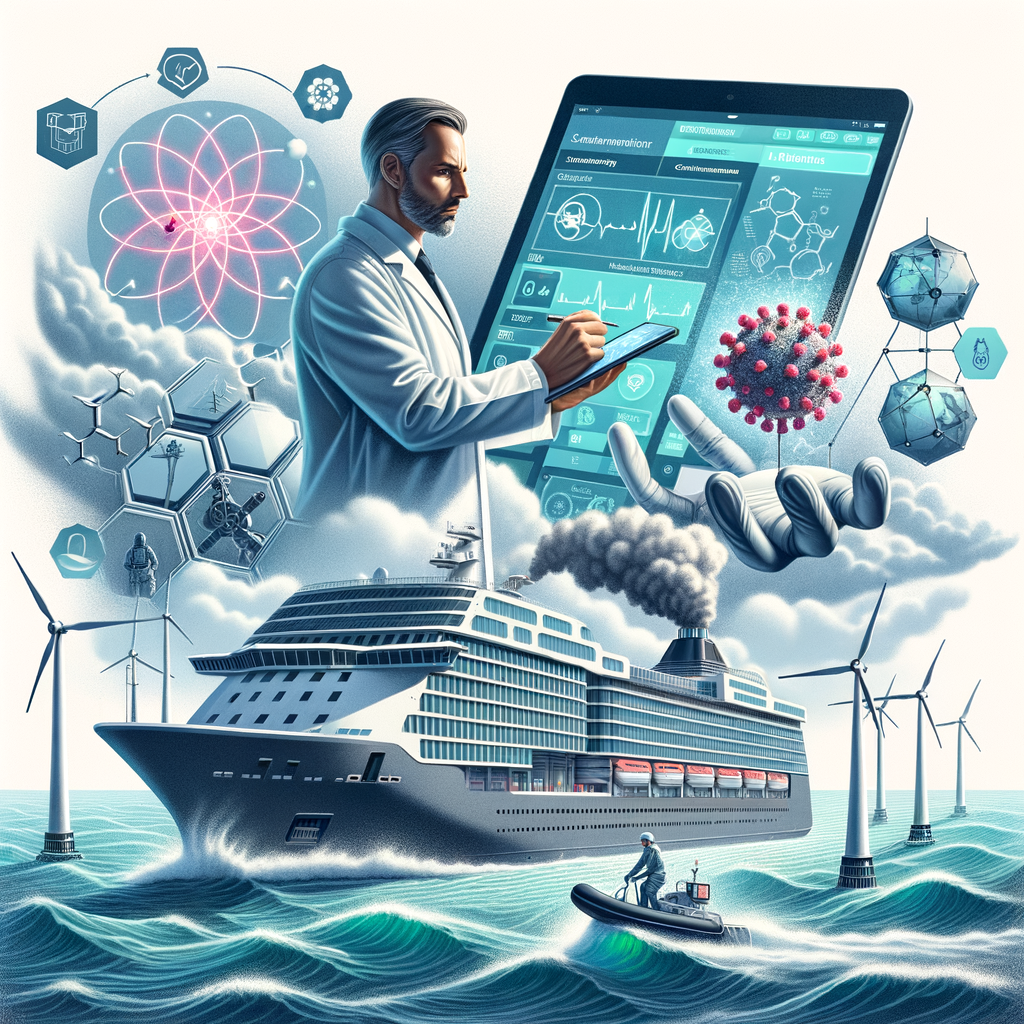
Science & Health Daily: Tracking Outbreaks, Tech Innovations, and Climate Policy Shifts
Today’s science and health news delivers a sweeping view of global challenges and advances. From a hantavirus outbreak on a cruise ship to major shifts in climate policy, medical technology, and the ongoing debate about mental health treatments, May 5, 2026, brings a mix of urgency and innovation that will shape the months ahead.
What Happened
Infectious Disease and Extreme Weather
A suspected outbreak of hantavirus has struck the MV Hondius, a cruise ship that departed Ushuaia, Argentina on April 1, 2026. Now under intense scrutiny as authorities scramble to trace the source and contain the spread, the case underscores the persistent risk of zoonotic diseases in travel settings. Meanwhile, Italy faces a dramatic weather divide: a 48-hour deluge is flooding three regions while the rest of the country swelters in unseasonal heat reaching 34°C. This meteorological split highlights the growing unpredictability of climate patterns in Europe.
Healthcare Access and Controversy
In the United States, legal challenges threaten access to the abortion medication mifepristone. However, telehealth providers are adapting, maintaining remote abortion options through alternative protocols. Separately, Robert F. Kennedy Jr. continues to attract criticism for spreading misinformation about antidepressant medications, falsely comparing SSRIs to heroin and advocating for severe restrictions, despite broad scientific consensus on their safety and efficacy.
Medical Technology and Personal Health
Wearable technology continues to make inroads in personal health management. The Renpho Eyeris 2 Massager, priced under $50, is gaining attention as an effective, affordable solution for migraine and headache relief—adding features like music streaming for enhanced user experience. On the obesity front, new research reports a sharp drop in bariatric surgeries in the U.S., a trend coinciding with the rapid adoption of GLP-1 therapies such as Ozempic. While these drugs offer non-surgical weight loss options, experts warn of potential long-term consequences for patient care and surgical expertise.
Climate Solutions and Energy Policy
A new study finds that investing in renewable energy is a more cost-effective method for carbon reduction than direct air capture, challenging the focus on expensive carbon capture technologies. The EU is also tightening oversight of its solar power infrastructure, moving to exclude photovoltaic installations with inverters sourced from "high-risk" countries from its incentive programs. In the realm of energy storage, iron-based battery technology is emerging as a promising alternative to lithium, potentially reducing reliance on a resource with volatile supply chains.
Evolutionary Science
A feature on LUCA—the Last Universal Common Ancestor—reminds us that all current life forms are connected through a single evolutionary lineage, a concept with profound implications for genetics and our understanding of biology.
Materials Science
Researchers have developed a "living" plastic with a built-in kill switch. In proof-of-concept tests, this plastic completely self-degrades, leaving no microplastics behind. This innovation could dramatically reduce plastic pollution if scaled.
Why It Matters
The convergence of public health crises, climate extremes, and technological breakthroughs highlights the interconnectedness of global challenges. Outbreaks like the hantavirus case stress the importance of rapid response and surveillance in a mobile world. Weather extremes and climate policy debates foreground the need for resilient infrastructure and sustainable solutions.
Medical access battles and the rise of telehealth show both the vulnerability and adaptability of healthcare systems. The shift toward wearable tech and new therapies like GLP-1 agonists signals a patient-driven evolution in health management, but also raises questions about accessibility, equity, and long-term health outcomes. Innovations in energy storage and plastics reinforce the urgency of finding scalable, environmentally safe solutions as the world transitions away from fossil fuels and grapples with pollution.
Key Stats
- The MV Hondius departed Ushuaia, Argentina, on April 1, 2026, and is now the site of a suspected hantavirus outbreak.
- Italy is experiencing temperature swings from 48-hour floods in some regions to highs of 34°C elsewhere.
- The U.S. has seen a sharp drop in bariatric surgeries, coinciding with increased use of GLP-1 therapies like Ozempic.
- The Renpho Eyeris 2 Massager is available for under $50 and marketed as a solution for migraines and headache relief.
- The EU is excluding photovoltaic installations with inverters from "high-risk" countries from its incentives program.
What's Next
Expect intensified efforts in contact tracing and containment for the cruise ship outbreak, with potential implications for travel protocols worldwide. As extreme weather events become more frequent, European governments may accelerate climate adaptation and renewable energy projects, especially as new research underscores their cost-effectiveness. Legal battles over abortion access and antidepressant regulation in the U.S. are likely to continue, with telehealth remaining a critical battleground. Watch for further developments in battery technology and biodegradable plastics as investors and policymakers seek scalable, sustainable solutions. Finally, the debate over medical treatments and public information will remain central as science communication faces new challenges.