Science & Health Daily: Giraffe Spots, Droughts, and the Future of AI in Global Health
On May 15, 2026, the world of science and health saw a dynamic mix of discoveries and challenges, from wildlife survival adaptations to breakthroughs in AI for global health, and from extreme weather to potential new disease prevention tools. Here’s a look at the top developments shaping the conversation today.
What Happened
Adaptation and Survival in the Wild
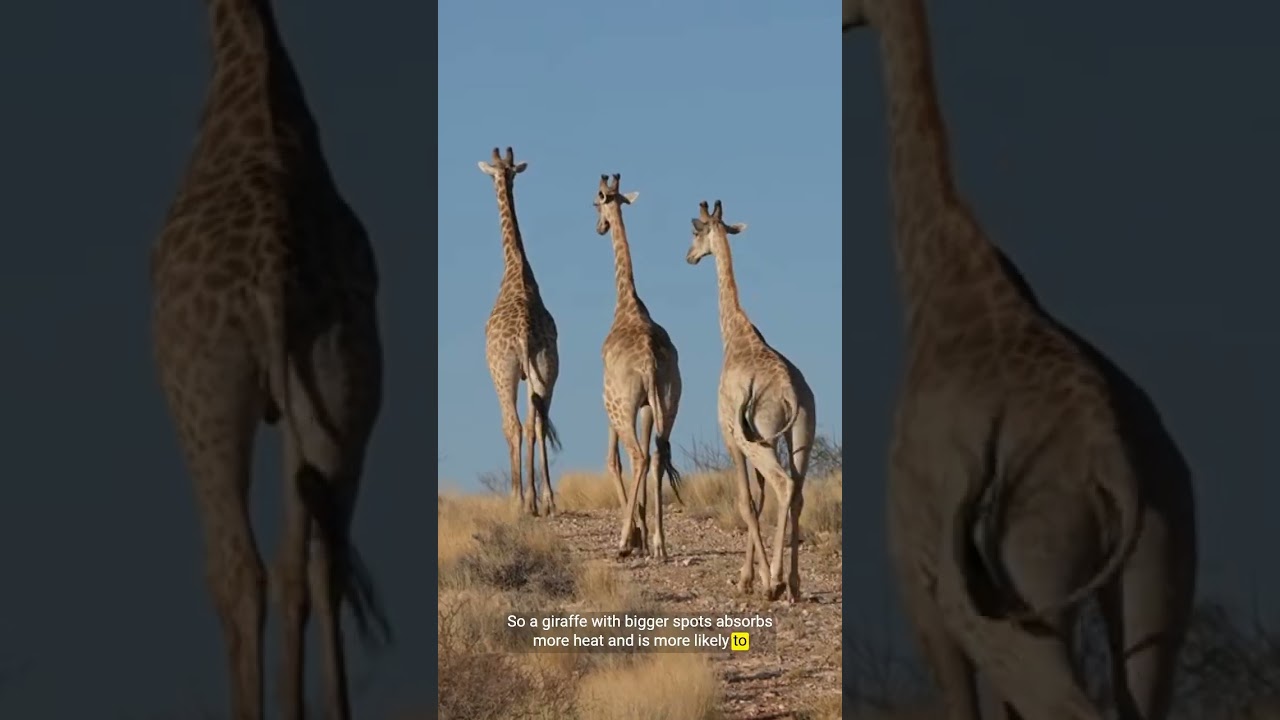
A landmark study tracking hundreds of giraffes in Tanzania over eight years revealed a surprising link between spot patterns and survival. Giraffes with larger spots fared better in cold conditions, while those with smaller spots survived more easily in hot temperatures. This insight raises concerns about the impact of global warming on giraffe populations with larger spot patterns.
New Frontiers in Medicine and Disease
Several health studies made headlines. A large-scale study suggested that regular egg consumption may reduce the risk of Alzheimer’s, based on findings from over 40,000 adults tracked for 15 years. Meanwhile, cold showers were investigated for their potential role in weight loss, and a new pill, Ensitrelvir, showed promise in preventing Covid-19—already approved in Japan and under review by the FDA in the US.
Elsewhere, the Ebola outbreak in Congo and Uganda intensified, with an uncommon strain causing 65 deaths so far. On a more positive note, a US hantavirus case was found to be a false positive, easing fears of a wider outbreak.
Climate and Environmental Challenges
The US faces its most severe drought in decades, with more than 60% of the country affected and over 20% in extreme drought. The combination of intensity and geographic spread is unprecedented, according to climatologists. In Italy, severe weather warnings were issued across nine regions due to heavy rains and wind.
Solar power production is also being hampered by coal pollution, as aerosols block sunlight and reduce the efficiency of solar panels. Meanwhile, researchers are exploring alternative raw materials to reduce the carbon footprint of cement production.
Technology, AI, and Space
AI’s influence continues to spread. Anthropic, in partnership with the Gates Foundation, committed $200 million over four years to deploy AI in global health, education, and agriculture—quadrupling a similar deal by OpenAI. This effort will support vaccine research, AI-driven tutoring, and the development of public benchmarks.
Elsewhere, ArXiv announced a ban on researchers who submit AI-generated, low-quality scientific papers, in a bid to maintain research integrity. In space, the US, China, and Russia are all active in geosynchronous orbit, while missions to Jupiter and Saturn’s moons face new concerns over the physical hazards of landing on “fluffy ice.”
Agriculture and Sustainability
Italian experts highlighted the central role of agriculture in sustainability, emphasizing both innovation and the need to make new solutions more accessible to farmers. Meanwhile, garlic was found to reduce mosquito mating and egg-laying, hinting at new approaches to pest control.
Why It Matters
Today’s developments reflect the interconnectedness of climate, health, and technology. The giraffe study illustrates how subtle biological traits can determine species survival under climate stress, offering clues for conservation. The intensifying drought in the US and extreme weather in Europe underscore the realities of climate change, with direct implications for food security and public health.
On the health front, nutritional and pharmaceutical research is rapidly evolving: the prospect of a preventive Covid-19 pill and diet-based Alzheimer’s prevention could reshape public health strategies. The scale of AI investment by Anthropic signals a new era where technology may address neglected diseases and educational gaps, but also raises questions about responsible deployment and oversight.
Key Stats
- 8 years: Duration of the giraffe survival study in Tanzania
- 65: Death toll from the current Ebola outbreak in Congo and Uganda
- 40,000: Number of adults in the Alzheimer’s and egg consumption study
- 60%: Proportion of the US currently affected by drought
- $200 million: Anthropic and Gates Foundation’s new AI partnership funding
What's Next
Looking ahead, expect closer monitoring of giraffe populations as climate patterns shift, and further research into the genetic basis of survival traits. The US drought is likely to persist, with ongoing impacts on agriculture, energy, and water resources. In medicine, the FDA’s decision on Ensitrelvir could mark a milestone in Covid-19 prevention, while AI’s growing footprint in health and education will demand rigorous evaluation of outcomes and ethics. As weather extremes and disease outbreaks continue, interdisciplinary solutions will be more critical than ever.