AI Shakes Up Science, Health, and Sustainability: Major Shifts Unveiled
Today's Science & Health news spotlighted a series of transformative developments. From the promise of artificial intelligence in scientific discovery and healthcare, to sobering realities in food safety and recycling, the day’s headlines reflect a sector in flux. As AI redefines research and medical decision-making, longstanding issues such as product recalls and recycling efficacy continue to challenge consumer trust and policy.
What Happened
AI at the Forefront of Scientific Discovery and Healthcare
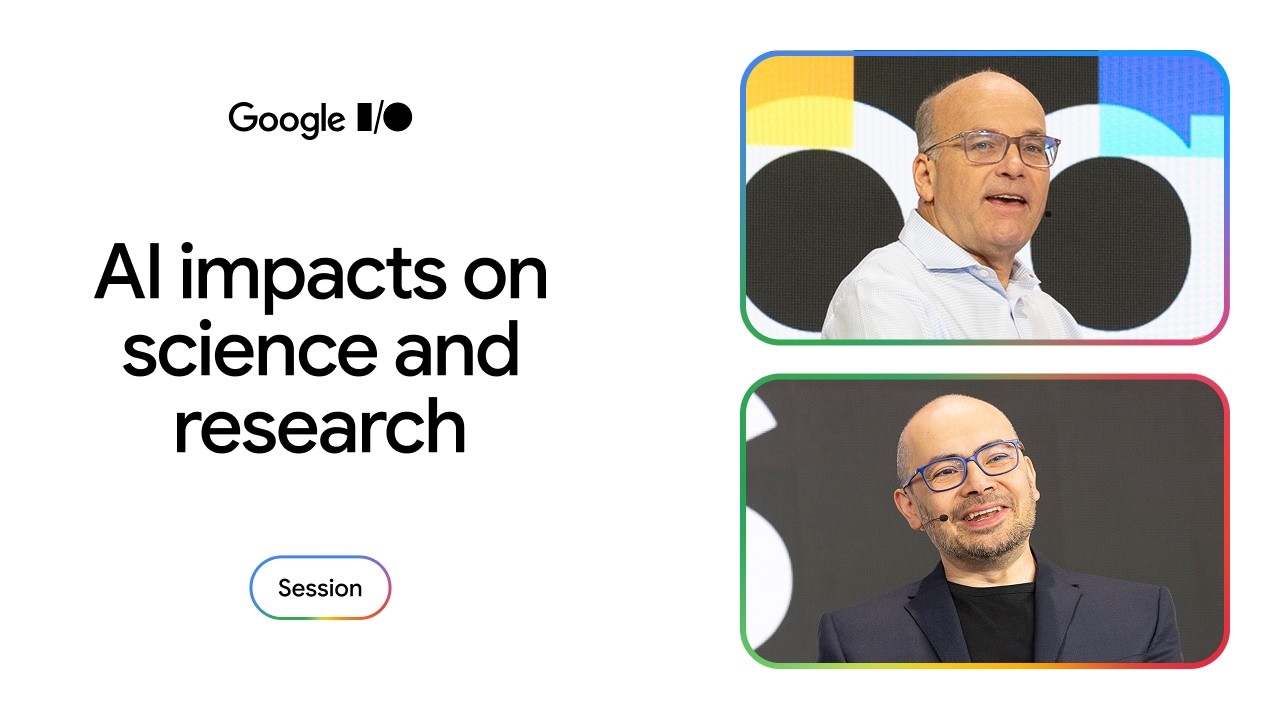
At Google I/O 2026, Demis Hassabis, co-founder and CEO of Google DeepMind, discussed how artificial intelligence is accelerating breakthroughs in scientific research. In conversation with Mike Allen, Hassabis outlined how AI is now tackling some of the most intricate problems across disciplines, from biology to materials science, marking the dawn of a new era in exploration. The event underscored the growing integration of AI and machine learning in research methodologies and design.
In healthcare, the U.S. Department of Health and Human Services (HHS) announced a major AI initiative aimed at combating fraud and waste in federal health programs. By deploying real-time AI screening of Medicare, Medicaid, CHIP, and Marketplace claims, HHS intends to replace the traditional “pay and chase” approach with proactive fraud prevention. This marks a significant shift towards efficiency and accountability in federal healthcare spending.
Another healthcare startup, CARA Systems—an NYU spinout—was profiled for its use of AI-driven imaging and patient-specific analytics. Their solution assists neurospecialists in assessing intracranial aneurysm risk, supporting more consistent and individualized clinical judgments. This reflects a growing trend toward AI-supported clinical decision-making, seeking to improve outcomes and reduce variability in care.
Food Safety and Environmental Accountability Under Scrutiny
A large-scale salmonella recall made headlines, impacting an unexpectedly broad range of products due to the widespread use of powdered milk as a common ingredient. The recall highlights the interconnectedness of food supply chains and the challenges of ensuring safety across diverse products.
Meanwhile, an investigation by Beyond Plastics raised tough questions about the efficacy of recycling programs. Tracking Starbucks’ “widely recyclable” cold-beverage cups over three months, the group found that none of the cups placed in store recycling bins ended up at a recycling facility. The findings challenge corporate sustainability claims and point to systemic flaws in recycling infrastructure.
Why It Matters
The convergence of AI with both scientific research and healthcare delivery promises faster breakthroughs, more precise interventions, and potentially lower costs. However, these advancements also raise new questions about oversight, transparency, and equitable access.
The salmonella recall and Beyond Plastics’ findings reveal vulnerabilities in the systems designed to protect public health and the environment. Food recalls due to contaminated ingredients can have broad and unpredictable impacts, while ineffective recycling undermines efforts to reduce plastic waste. Both stories underscore the need for greater rigor, transparency, and innovation in regulatory and corporate practices.
Key Stats
- HHS’s AI initiative covers Medicare, Medicaid, CHIP, and Marketplace claims, representing hundreds of millions of transactions annually.
- The salmonella recall involved a wide spectrum of products, all linked by the use of powdered milk.
- Beyond Plastics tracked Starbucks cups over three months; not a single cup placed in store recycling bins reached a recycling facility.
- CARA Systems applies AI analytics to assist neurospecialists in making risk assessments for intracranial aneurysms, aiming to reduce variability in clinical decisions.
What's Next
Looking ahead, we can expect continued expansion of AI capabilities across science and healthcare, with increasing emphasis on transparency, data quality, and ethical deployment. Regulatory bodies and advocacy groups are likely to intensify scrutiny of both food supply chains and sustainability claims, pushing corporations and policymakers to address systemic gaps. As AI becomes further embedded in decision-making, the balance between innovation, safety, and accountability will remain a central challenge for the sector.