From Einstein’s Black Holes to Garlic’s Bite: Today’s Biggest Science & Health Revelations
May 24, 2026, marks a landmark day for science and health, with breakthroughs ranging from the confirmation of Einstein’s century-old prediction about black holes to newly discovered secrets in mosquito control and a surprising overturning of a core aeronautical engineering principle. Today’s DailyDrops also highlights advances in animal cognition, climate science, and even the enduring utility of CDs in medicine. Here’s a comprehensive look at the stories shaping today’s scientific landscape.
What Happened
Black Holes and the Fabric of Reality
Scientists have officially confirmed one of Albert Einstein’s most mind-bending predictions: black holes twist spacetime itself. After decades of theoretical supposition, astronomers have observed this phenomenon directly, providing a striking validation of general relativity’s more exotic forecasts. Meanwhile, another team addressed the mystery of “impossible” black holes—those too massive to be stellar, but not quite supermassive—by uncovering evidence of their origins, shedding light on one of astrophysics’ thorniest puzzles.
Fundamental Shifts in Physics and Engineering
Physics was further shaken by the solution to the long-standing mystery of an elusive particle. New experimental data have yielded surprising answers, potentially opening new paths in particle physics. In aeronautics, a fundamental assumption was upended: it’s not always true that smoother surfaces yield lower aerodynamic drag. This finding could have far-reaching effects on aircraft design and efficiency.
Climate and Environmental Insights
With the possible arrival of a “Super El Niño,” scientists are working to untangle the complex interplay between this recurring climate event and human-driven warming. The confluence of these factors may have profound consequences for global weather patterns and temperature extremes in the years ahead.
Health, Technology, and Animal Cognition
Despite the digital age, CDs remain a staple in medical practices, with doctors relying on them for everything from patient records to diagnostic imaging. Today’s discussion highlights seven reasons why CDs persist in health care, challenging assumptions about technological obsolescence.
Meanwhile, a study on beluga whales has demonstrated that these intelligent mammals can recognize themselves in mirrors, joining a select list of animals capable of self-awareness—a finding with implications for animal cognition research.
Everyday Science: From Garlic to Trails
Garlic’s reputation as a mosquito repellent now has a scientific basis: diallyl disulfide, a compound in garlic, not only repels mosquitoes but also prevents them from breeding. This discovery could inform new strategies in vector control.
On the lighter side, “On Trails” explores the interconnected history of trails in nature and technology, drawing parallels from ant paths to the internet.
Community Voices
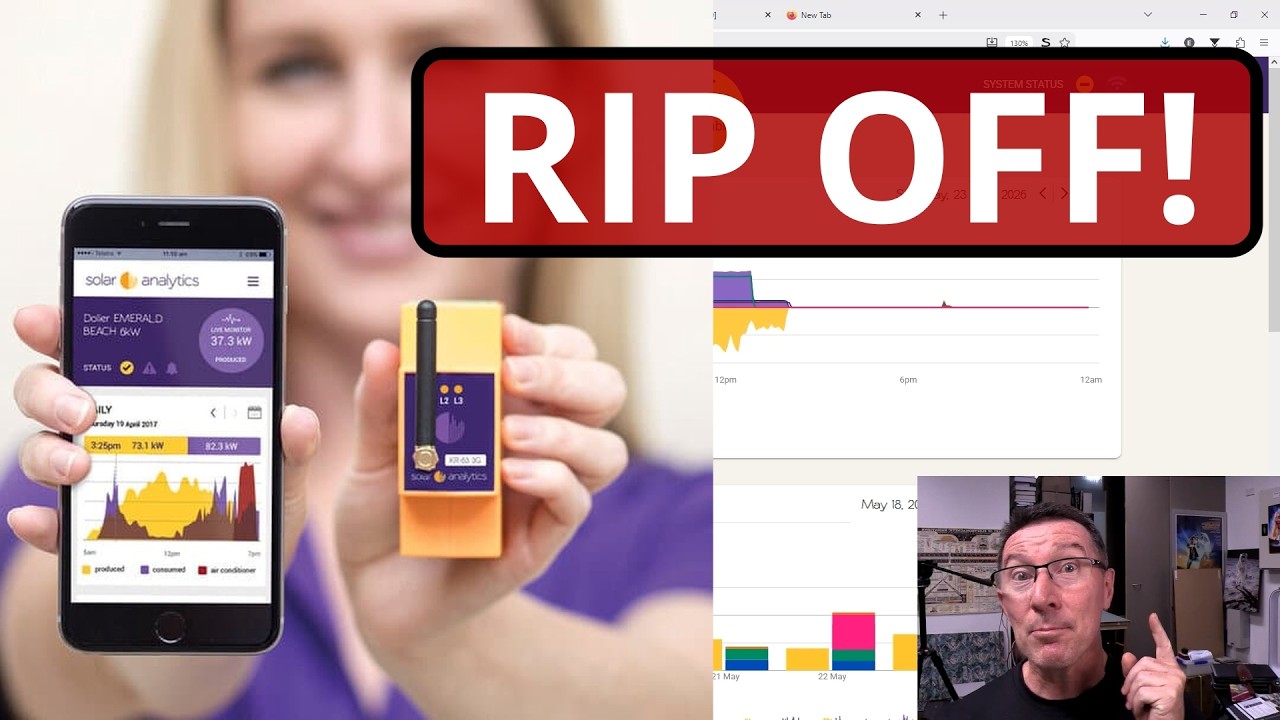
In the tech community, a prominent electronics creator sounded off on rising fees from a solar energy monitoring provider, prompting discussions about transparency and the future of home energy management.
Finally, a new digital edition of Oliver Byrne’s 1847 “Euclid” was released, featuring interactive diagrams and modern design, making classical geometry accessible in the digital era.
Why It Matters
The confirmation of Einstein’s predictions not only cements the legacy of general relativity but also provides new tools for astrophysical exploration. Resolving the origins of odd-sized black holes helps fill crucial gaps in our understanding of cosmic evolution. Advances in particle physics and aerodynamics could trigger technological revolutions, from cleaner aircraft to novel materials.
On Earth, the potential for a Super El Niño, compounded by human-driven climate change, underscores the urgency for advanced climate modeling and adaptive strategies. The resilience of CDs in healthcare points to the complexities of technological adoption and the importance of reliability in medical systems. Discoveries in animal cognition and mosquito biology may influence both ethical considerations and practical interventions in health and conservation.
Key Stats
- Black holes confirmed to twist spacetime, as Einstein predicted 100 years ago
- Mosquitoes are repelled and prevented from breeding by garlic’s diallyl disulfide compound
- Solar Analytics reportedly increased fees by 60% without prior notice to some users
- Beluga whales join a short list of animals passing the mirror self-recognition test
- Smoother surfaces do not always guarantee lower aerodynamic drag, overturning a core engineering principle
What's Next
Expect continued investigation into the origins and behavior of black holes, with new observatories poised to provide even richer data. The reversal of aerodynamic assumptions will likely spur a wave of aircraft design research. Climate scientists will closely track the evolution of El Niño conditions and their global impacts. In health, look for new, natural mosquito repellents and ongoing debates on the role of physical media in medical practice. The line between classical knowledge and digital innovation will further blur, as seen with projects like the digital “Byrne’s Euclid.”