Business in Flux: Startups, Energy Strains, and the AI ROI Gap
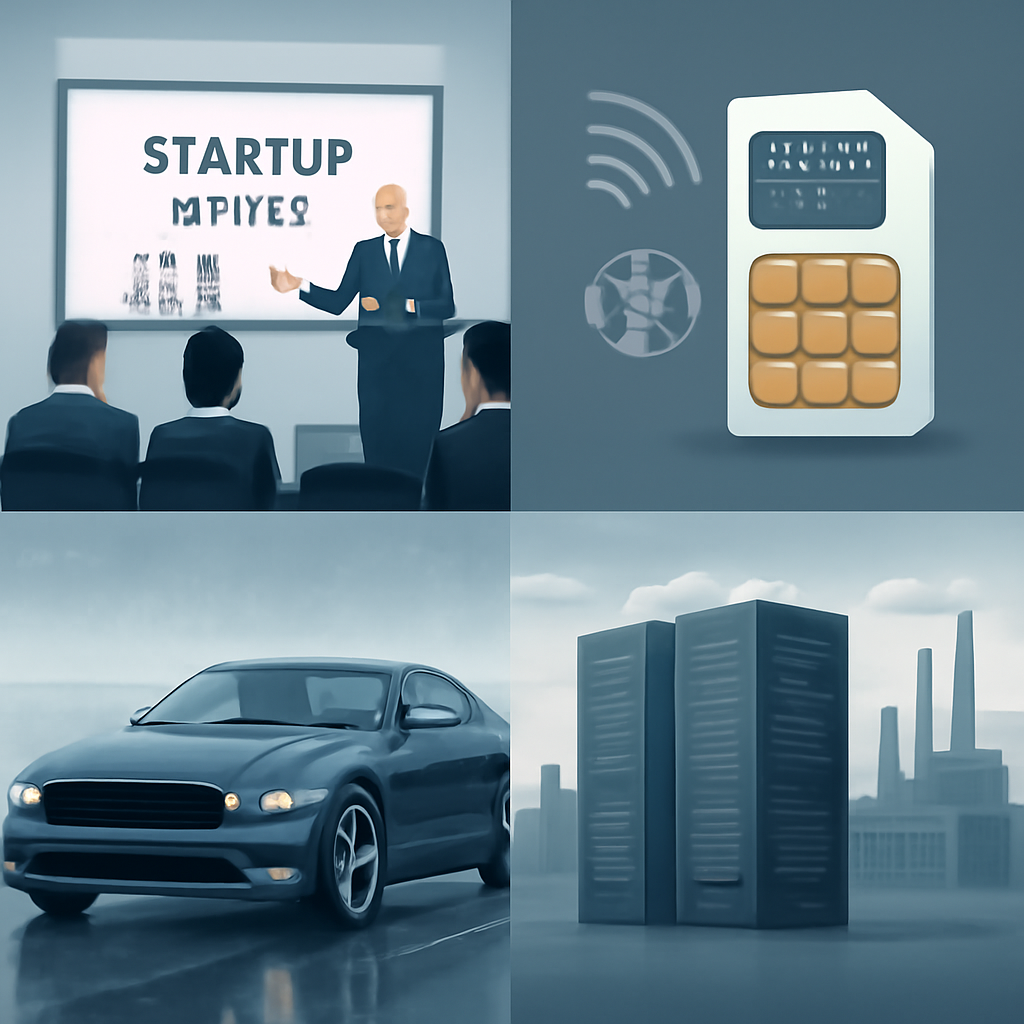
On July 7, 2026, the business world saw a diverse set of developments: new opportunities for startups, evolving telecom offerings, a surprising automotive recall, and growing concerns about energy demands and AI’s financial impact outside the tech sector. Here’s a closer look at the day’s most significant stories.
What Happened
TechCrunch announced a final extension for Startup Battlefield Australia applications, now closing on July 20. This event remains a vital platform for ambitious founders seeking access to investors and industry leaders.
In Europe, telecom operator iliad launched "TOP 30 MONDO," a mobile plan offering 30 GB of roaming data even outside the EU, targeting frequent travelers for €12.99 per month.
Ford issued a major recall of its Mustang models due to an unusual issue affecting driver visibility in poor weather—an unexpected challenge for a performance-focused vehicle.
Meanwhile, US data centers’ surging energy demands are putting pressure on electricity grids in the Rust Belt, potentially undermining the Trump administration’s "Made in America" manufacturing push as utility bills rise.
Finally, analysis from The Daily Spark highlighted that, despite AI’s prominence, there is still little evidence of improved profit margins outside the tech sector, raising questions about AI’s near-term ROI for traditional industries.
Why It Matters
The extension of Startup Battlefield Australia is a key opportunity for innovation in the Asia-Pacific region, while iliad’s new roaming plan reflects ongoing competition in Europe’s telecom market. Ford’s recall points to the complexity of modern automotive design and the reputational risks of safety issues.
The tension between data center energy demands and manufacturing growth in the US spotlights the infrastructure challenges that could shape industrial policy. Meanwhile, the slow ROI of AI outside tech signals that the broader economy may need more time—and perhaps different approaches—to realize the technology’s full potential.
Key Stats
- Startup Battlefield Australia application deadline: July 20, 2026
- iliad TOP 30 MONDO price: €12.99/month for 30 GB extra-EU roaming
- Ford Mustang recall: Affects thousands of vehicles, linked to visibility in poor weather
- Data centers’ share of Rust Belt electricity: Rising, with impacts on manufacturing costs
- AI ROI outside tech: No significant profit margin increases observed so far
What's Next
Expect a final rush of applications for Startup Battlefield Australia, with startups seeking to leverage the event’s exposure. Telecom competition in Europe is likely to intensify as roaming remains a differentiator for international travelers. Ford will need to address the recall’s fallout, both technically and in customer confidence.
In the US, balancing data center growth with manufacturing energy needs will remain a policy challenge, potentially influencing future infrastructure investments. As for AI, its broader economic impact may take longer to materialize, prompting companies outside tech to reassess their strategies and expectations.