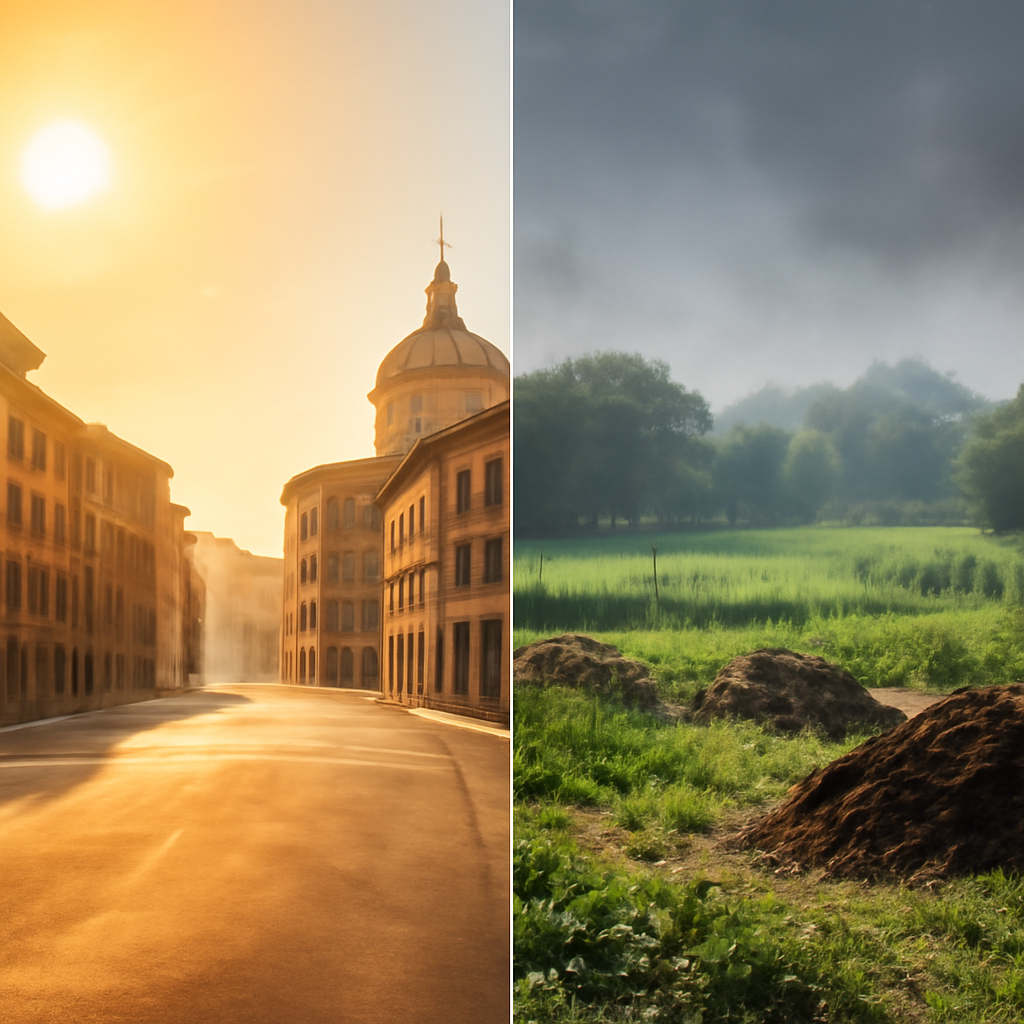
Heatwaves and Food Waste: Climate Pressures Intensify Across Europe and Beyond
Intro
As July draws to a close, the intersection of climate and health is front and center. Southern Europe prepares for extreme heat, while new research raises questions about food waste solutions. Both stories reflect the growing complexity of climate resilience in 2026.
What Happened
Italy is on high alert for what experts describe as the fourth major heatwave of the summer. The Ministry of Health has issued 19 'red alert' and 5 'orange alert' warnings for cities across the country, signaling an imminent risk to public health as temperatures soar into August.
Meanwhile, a new study casts a critical eye on food waste composting, long touted as an environmentally friendly practice. While composting offers substantial climate benefits—reducing landfill emissions and returning nutrients to the soil—the research suggests that implementing composting at scale could introduce a harmful pollutant to farmland, complicating the narrative of compost as a purely green solution.
Why It Matters
These developments underscore the multi-layered challenges facing public health and environmental policy. Extreme heat events, increasingly frequent due to climate change, put vulnerable populations at risk and strain public services. At the same time, even well-intentioned climate solutions such as composting can carry unforeseen consequences, highlighting the need for ongoing research and adaptive strategies.
Key Stats
- Italy faces 19 cities under 'red alert' and 5 under 'orange alert' for heat on August 1, 2026.
- 2026 marks the fourth major heatwave in Italy this summer.
- Composting food waste can significantly reduce methane emissions from landfills.
- New research identifies a pollutant risk associated with large-scale compost use on farmland.
What's Next
Authorities in Italy are urging residents—especially the elderly and those with chronic illnesses—to take precautions during the heatwave, with emergency services on standby. On the food waste front, scientists and policymakers will need to weigh the benefits of composting against potential agricultural risks, potentially revising guidelines or investing in new mitigation technologies. As climate pressures grow, both adaptation and innovation will be crucial.