Swimming Across the Baltic: Bartlomiej Kubkowski's 160 km Feat
Intro
On August 2, 2026, the world of endurance sports witnessed a remarkable achievement. Bartlomiej Kubkowski, a Polish long-distance swimmer, successfully swam from Sweden to Poland, crossing the Baltic Sea in a single, continuous effort. His 160 km journey, completed in 56 hours, stands out as a testament to both human determination and the growing appeal of extreme challenges.
What Happened
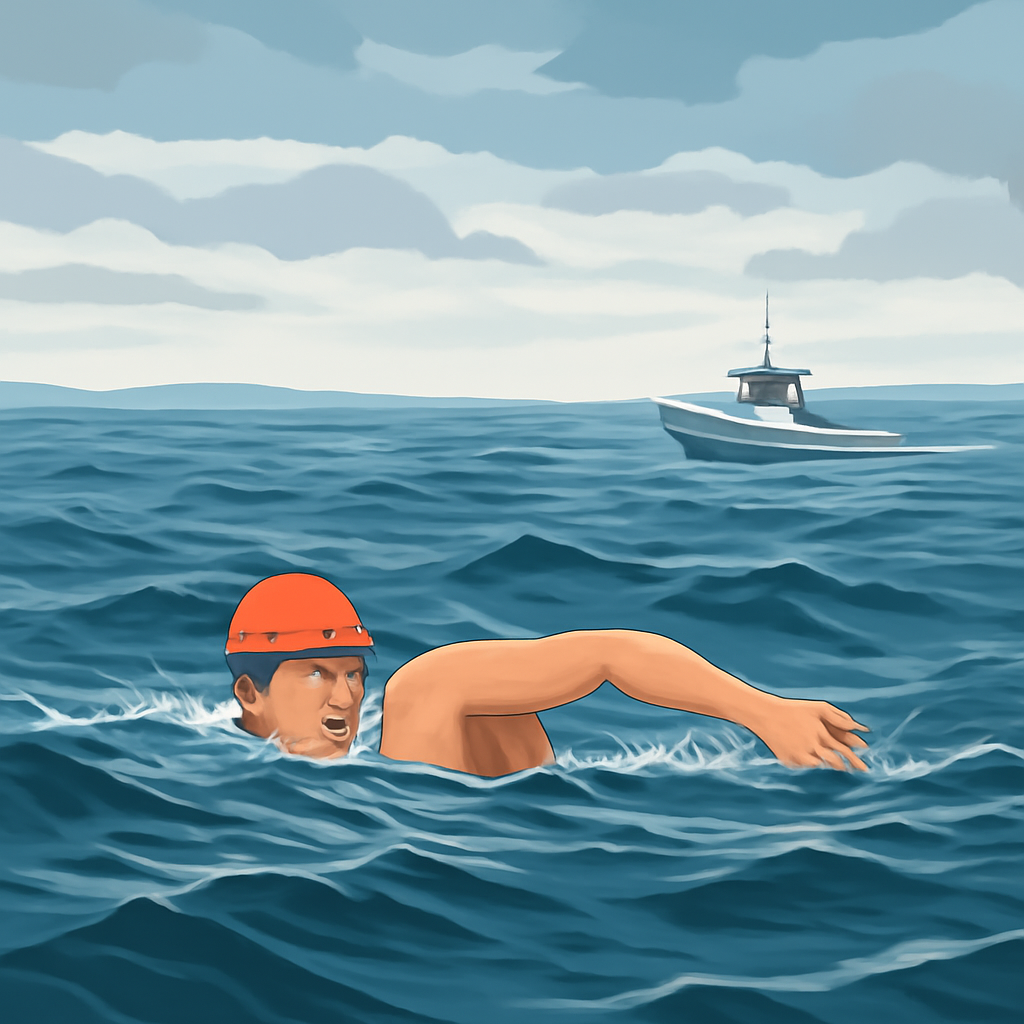
Kubkowski began his swim on a Friday, departing the Swedish coast with the Baltic Sea stretching ahead. Over the next 56 hours, he navigated unpredictable waters, braving fluctuating temperatures, fatigue, and the mental challenge of isolation. The journey required constant movement, with only brief pauses for nutrition and hydration, all while exposed to the elements.
The swim concluded on the Polish coast, where Kubkowski was greeted by supporters and local media. His accomplishment not only set a new record for the route but also drew attention to the physical and psychological demands of ultra-endurance swimming.
Why It Matters
Kubkowski's achievement is significant for several reasons. First, it pushes the boundaries of what is considered possible in open water swimming, inspiring athletes and enthusiasts alike. Second, such feats highlight the importance of preparation, resilience, and support in tackling extreme challenges. Finally, the event brings attention to the Baltic Sea, a region often overlooked in discussions of major open water swims, and raises questions about safety and environmental conditions in long-distance swimming.
Key Stats
- Distance Covered: 160 km (approximately 99 miles) from Sweden to Poland
- Total Time: 56 hours of continuous swimming
- Route: Across the Baltic Sea, a body of water known for its variable weather and currents
- Support Crew: Assisted by a team providing nutrition, navigation, and safety monitoring
- Record: Sets a new benchmark for the Sweden-Poland swim
What's Next
Kubkowski's crossing is likely to inspire further attempts by endurance athletes, as well as renewed interest in the Baltic Sea as a venue for open water challenges. It may also prompt discussions around swimmer safety, environmental monitoring, and the logistics necessary for such undertakings. Meanwhile, Kubkowski’s feat will likely be studied by sports scientists and endurance experts seeking to better understand the limits of human performance.