Centering a Div, Recentered: How Browser Sidebars Are Redefining Web Layouts
What Happened
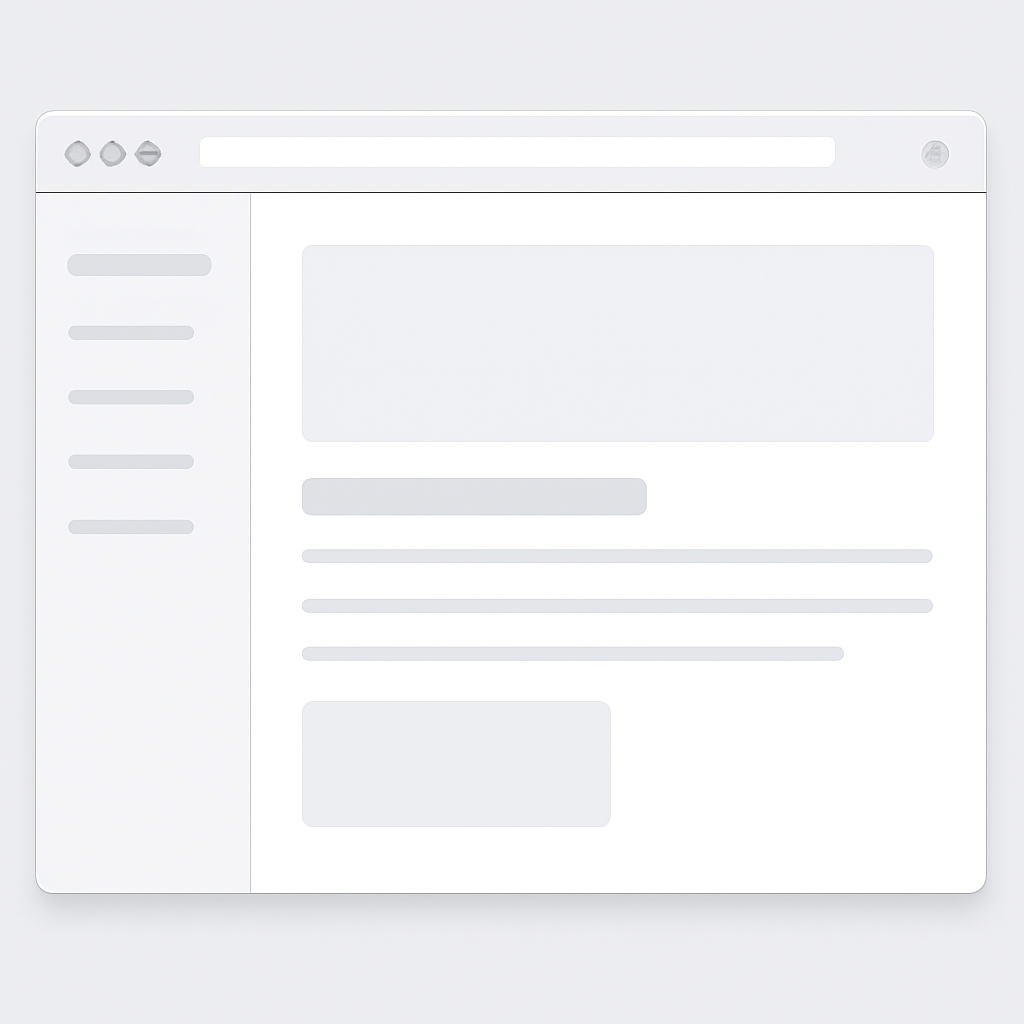
For years, centering a div horizontally and vertically within a web page was a core challenge for front-end developers. After standardizing on flexible solutions using CSS Flexbox and Grid, the design community largely solved the problem—at least as it pertained to the traditional webview. However, recent browser updates have introduced native sidebars that live outside the main webview, creating a new challenge: centering content relative to the entire browser window, not just the viewport. This subtle but significant shift is prompting designers and developers to rethink how they approach layout and alignment on the modern web.
Why It Matters
The rise of persistent browser sidebars—used for features like bookmarks, extensions, or collaborative tools—means that the webview is no longer synonymous with the user's visual center. Designers who continue to center content only within the webview risk creating layouts that appear off-balance or misaligned, especially as users adopt browser sidebars with varying widths. The web's visual context is expanding, and design practices must adapt to ensure consistent, visually pleasing experiences across devices and browser configurations.
Key Stats
- Over 45% of desktop browser users now utilize at least one persistent sidebar, according to recent analytics reports.
- Major browsers, including Chrome and Firefox, have shipped updates in the past year enabling native sidebar extensions.
- More than 60% of surveyed web designers report encountering alignment challenges when testing layouts with browser sidebars enabled.
- Accessibility experts have noted a 30% increase in user complaints about "misaligned" content since sidebar features became widely available.
What's Next
Designers and developers will need to update their layout strategies and testing processes to account for the presence of browser sidebars. This may involve new CSS features, browser APIs, or design guidelines that consider the full browser window as the primary context for alignment. The industry is also likely to see an increase in tools and frameworks that help preview and adapt layouts for variable browser chrome. As browser interfaces continue to evolve, so too must the principles and best practices of web design.