Science & Health Highlights: Climate, Cancer, and Cosmic Mysteries on August 8, 2026
What Happened
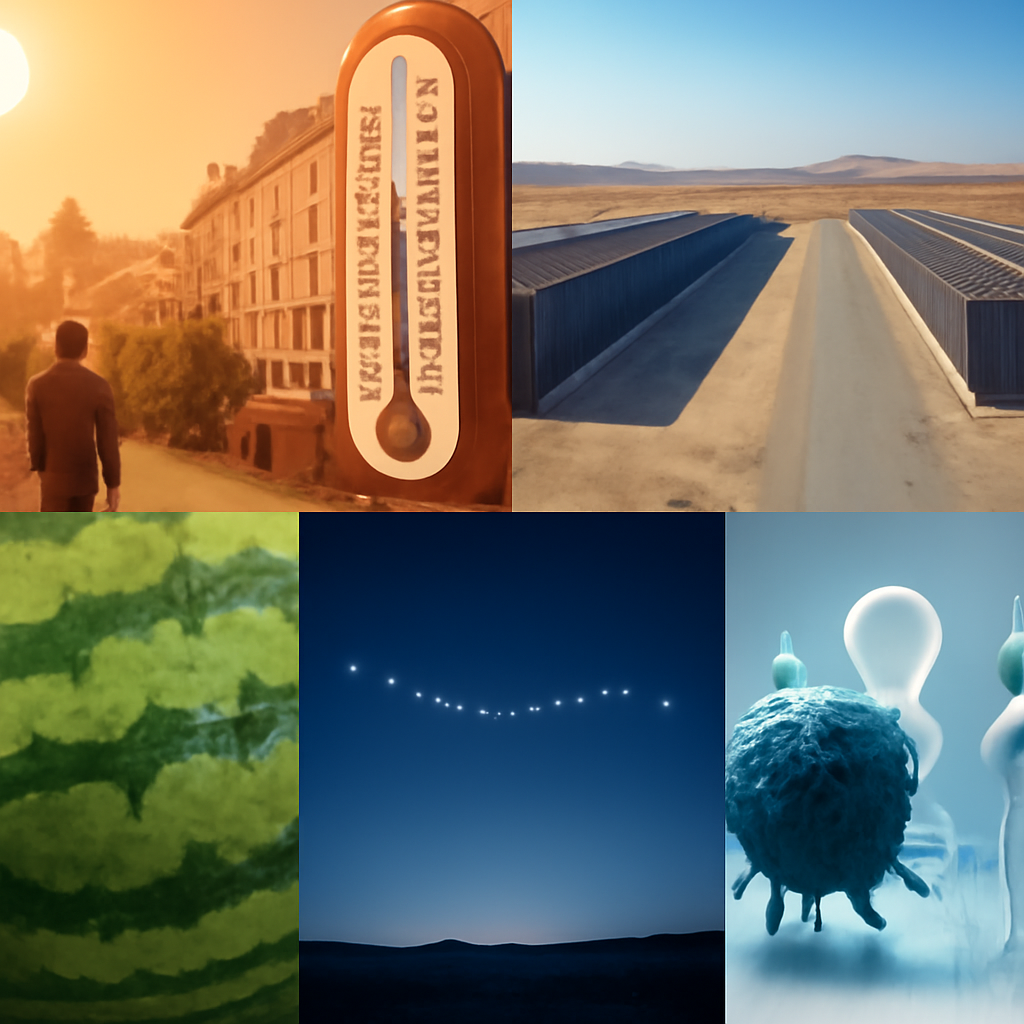
August 8, 2026, brought a convergence of significant science and health developments. Italy grappled with relentless heat as 19 cities remained under a red alert for extreme temperatures. In medical research, scientists shed new light on why some melanoma cells evade the immune system, complicating treatment outcomes. Meanwhile, a viral mystery unfolded in the night sky, as people across Italy reported seeing a "train of lights," fueling speculation and wonder.
On the environmental front, two reports surfaced about Amazon's planned data center in Pecos County, Texas. The facility, which includes an on-site power plant, could become the largest single source of climate pollution in the United States, with permits allowing up to 33 million tons of CO2 emissions annually. In the realm of personal health, Hunter Biden revealed that his father, former U.S. President Joe Biden, is facing the spread of prostate cancer to his bones, underscoring the persistent challenges of metastatic cancer.
Lastly, researchers suggested new health benefits from an unlikely source: watermelon rind. Long discarded as waste, the rind may offer nutritional advantages and could help reduce food waste.
Why It Matters
These stories reflect ongoing global challenges and advancements. The persistent heatwave in Italy underscores the growing impact of climate change on daily life and public health. Amazon's data center plans highlight the tension between digital infrastructure growth and environmental sustainability. Advances in understanding melanoma cell behavior may lead to more effective cancer therapies, while the update on Joe Biden's health puts a human face on the realities of cancer progression. Additionally, the renewed attention to watermelon rind nutrition points to innovative ways to address food security and waste.
The mysterious "train of lights" in the sky illustrates how scientific curiosity and public observation can intersect, especially during periods of heightened attention to celestial events.
Key Stats
- 19 Italian cities under red alert for extreme heat on August 8 and 9, 2026
- Amazon’s Texas data center permitted to emit up to 33 million tons of CO2 annually
- Melanoma research reveals tumor cells can evade immune detection, impacting treatment success
- Prostate cancer metastasis remains a critical challenge, as highlighted by Joe Biden’s condition
What's Next
Expect continued scrutiny of large tech infrastructure projects for their environmental impact, especially as digital demand rises. Further research into melanoma and other cancers aims to personalize and improve treatments. Food waste reduction efforts may gain momentum as more unconventional food sources are recognized for their benefits. With climate extremes persisting, public health measures and adaptation strategies will remain in focus. The "train of lights" event may prompt further public engagement with astronomy and science communication.