Summer Health Risks Escalate: Parasites Spread, Heat Stress Soars, and Vaccine Policy Shifts
What Happened
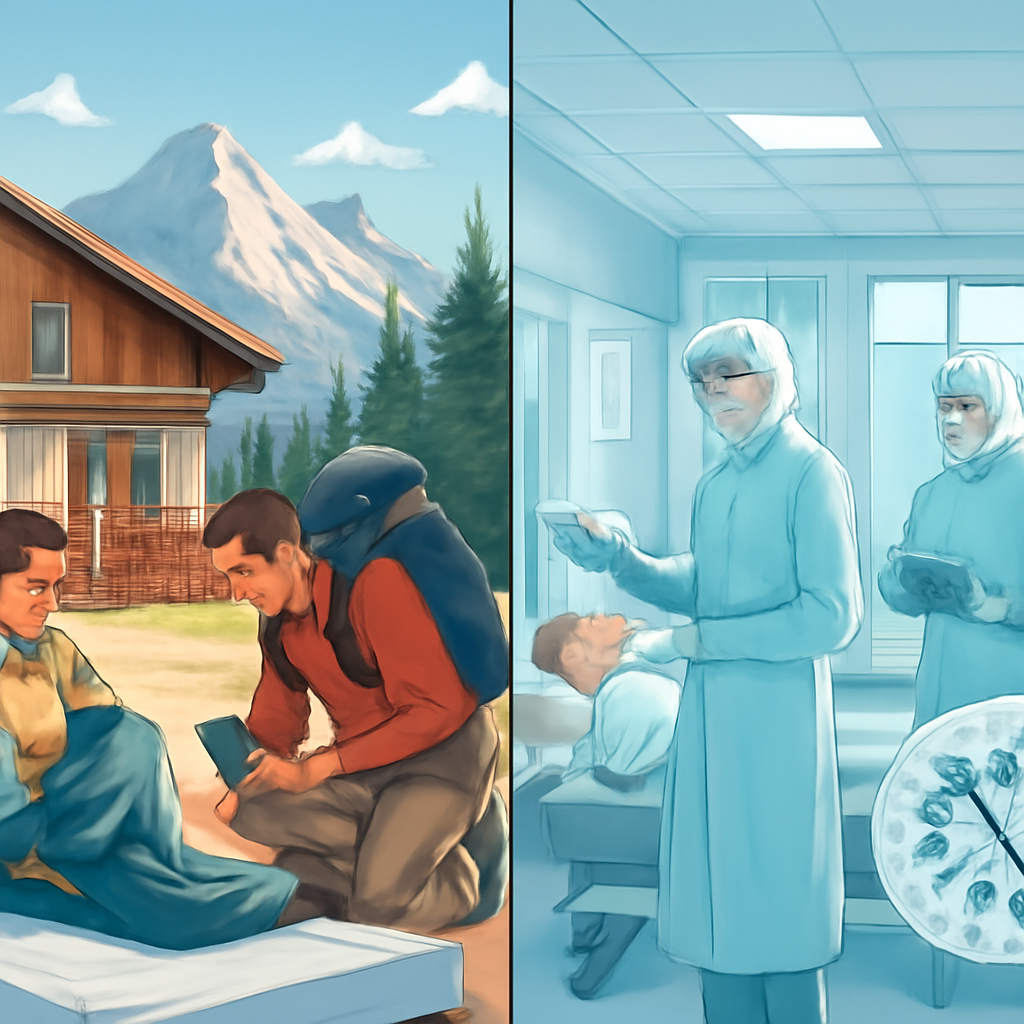
On August 10, the science and health landscape was marked by a diverse set of challenges and discoveries. New reports highlighted the expansion of parasitic threats into higher altitudes and urban outskirts in Italy, raising concerns for summer travelers and city dwellers alike. Meanwhile, persistent heatwaves are putting unprecedented stress on both physical and mental health, prompting experts to issue coping strategies. In the U.S., a presidential order questioned established vaccine protocols, igniting debate over public health priorities. Finally, researchers uncovered new mechanisms behind the persistence of the drug-resistant fungus Candida auris in human skin, underscoring the growing threat of antimicrobial resistance.
Why It Matters
These stories illustrate how environmental, societal, and policy shifts are converging to impact global health. The northward and upward spread of bed bugs and ticks reveals the influence of climate change and human movement on parasite ecology. The ongoing heatwaves highlight the urgent need for mental and physical health interventions as extreme weather becomes more frequent. In the political arena, executive decisions on vaccine policy have immediate implications for public trust and disease prevention. Simultaneously, the discovery of how Candida auris survives on skin surfaces will inform much-needed infection control strategies in hospitals and care facilities worldwide.
Key Stats
- Parasitic insects like bed bugs and ticks are now being reported at higher altitudes and on the edges of major cities in Italy, expanding their traditional habitats.
- Prolonged heatwaves are associated with a measurable rise in irritability, sleep disturbances, and mental health complaints, according to psychologists.
- A recent U.S. presidential order seeks to reduce use of established vaccines, despite lack of scientific support, while promoting unproven alternatives.
- Candida auris, a deadly drug-resistant fungus, is now found to persist on human skin, complicating efforts to stop its spread in healthcare settings.
What's Next
Public health authorities in Europe and beyond are urging vigilance as parasite populations adapt to new environments. Preventive measures and early detection are critical, especially during the peak travel season. Mental health professionals recommend practical strategies to mitigate the psychological toll of sustained heat. In the U.S., the new vaccine policy is expected to face legal and scientific scrutiny, with potential ripple effects for global immunization campaigns. Meanwhile, ongoing research into Candida auris will focus on developing targeted interventions to curb its transmission in hospitals and protect vulnerable patients.