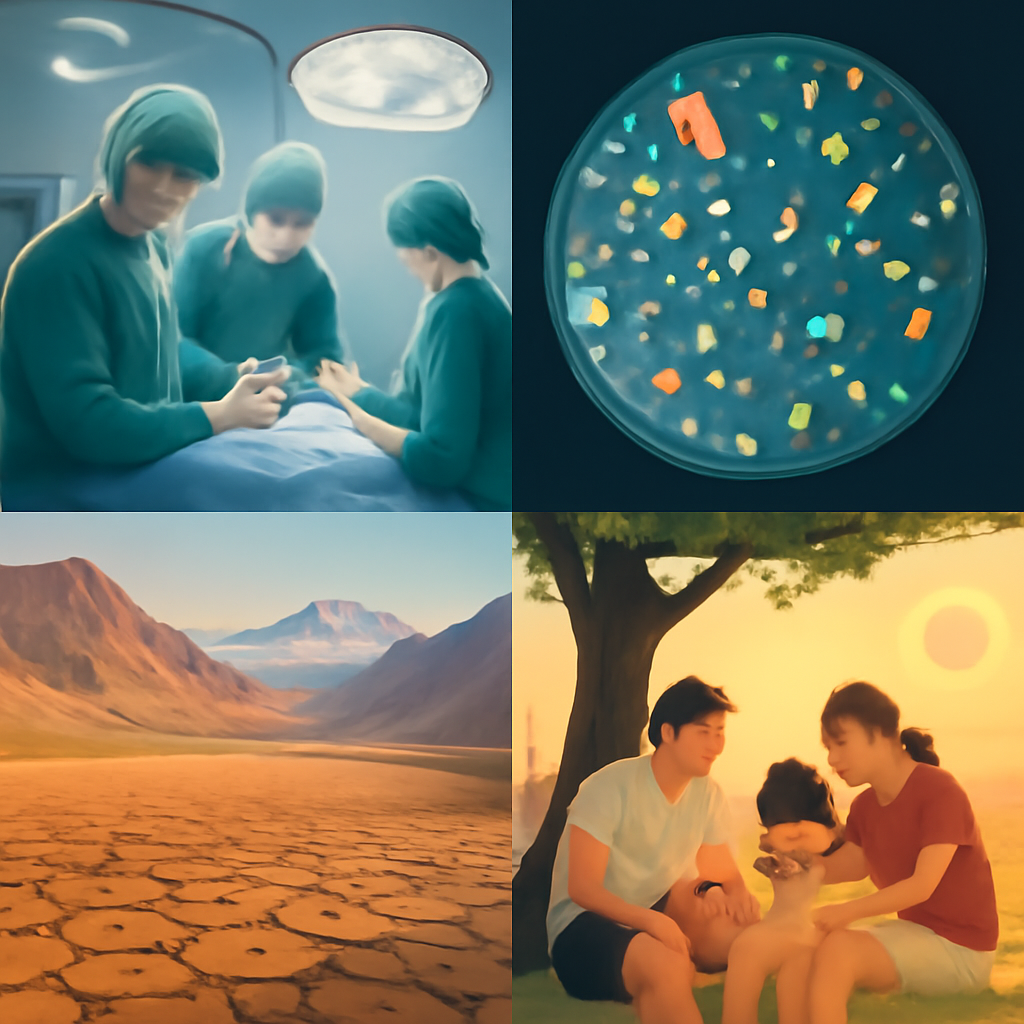
Science & Health Recap: Cancer Surgery Delays, Microplastics and ALS, and the Rise of the ‘Snow Eater’ Heatwave
What Happened
Today’s science and health headlines cover a range of critical issues: a new study reports that wait times for cancer surgeries in the US have reached a ten-year high, raising concerns about treatment delays. Italian researchers have uncovered a potential link between higher levels of microplastics in the nervous system and increased risk of amyotrophic lateral sclerosis (ALS), suggesting new avenues for neurodegenerative disease research. Europe continues to grapple with extreme heat, with Ferragosto bringing only limited relief. Parents are advised on protecting children from heat, ticks, and jellyfish during peak vacation season. A recent study finds that even minimal daily movement can reduce cancer risk. Meanwhile, a free app is helping homeowners strategically plant shade trees, and western states face a new climate threat: the so-called 'snow eater' heatwave, which rapidly erodes vital snowpacks. In sports health, tennis player Carlos Alcaraz is advised to skip the US Open to avoid aggravating a wrist injury.
Why It Matters
Delays in cancer surgeries can significantly impact patient outcomes, making the rising wait times a pressing issue for healthcare systems. The research linking microplastics to ALS adds to growing concerns about the impact of environmental contaminants on human health. As extreme weather events become more frequent, the emergence of 'snow eater' heatwaves threatens water security in western states and underscores the broader consequences of climate change. Public health guidance for families during heatwaves and the benefits of even brief physical activity serve as practical reminders of steps individuals can take to mitigate risks. Finally, sports medicine continues to highlight the importance of injury management in elite athletes.
Key Stats
- US cancer surgery wait times are at their highest in a decade, according to a new study.
- Italian researchers found elevated microplastics in the nervous systems of ALS patients, indicating a possible risk factor.
- Only two Italian cities, Bari and Bolzano, remain under the highest heat risk alert for Ferragosto, with relief expected soon.
- Brief daily physical activity—just three minutes—can reduce the risk of 13 types of cancer, per a study in BMC Medicine.
- 'Snow eater' heatwaves rapidly reduce snowpack crucial for water supply in western US states.
What's Next
Healthcare systems in the US may face increasing pressure to address surgical backlogs and improve access to timely cancer treatment. Further studies are likely to explore the role of microplastics in neurodegenerative diseases. As climate patterns shift, both researchers and policymakers will need to adapt strategies for water management and public safety in the face of new weather phenomena. Public health campaigns may increasingly focus on actionable advice for families and individuals to cope with heat and environmental risks. In sports, injury prevention and management will remain a priority for athletes and medical teams alike.