Extreme Heat, Anti-Aging Claims, and Sleep Tech Under Fire: Key Science & Health Stories
What Happened
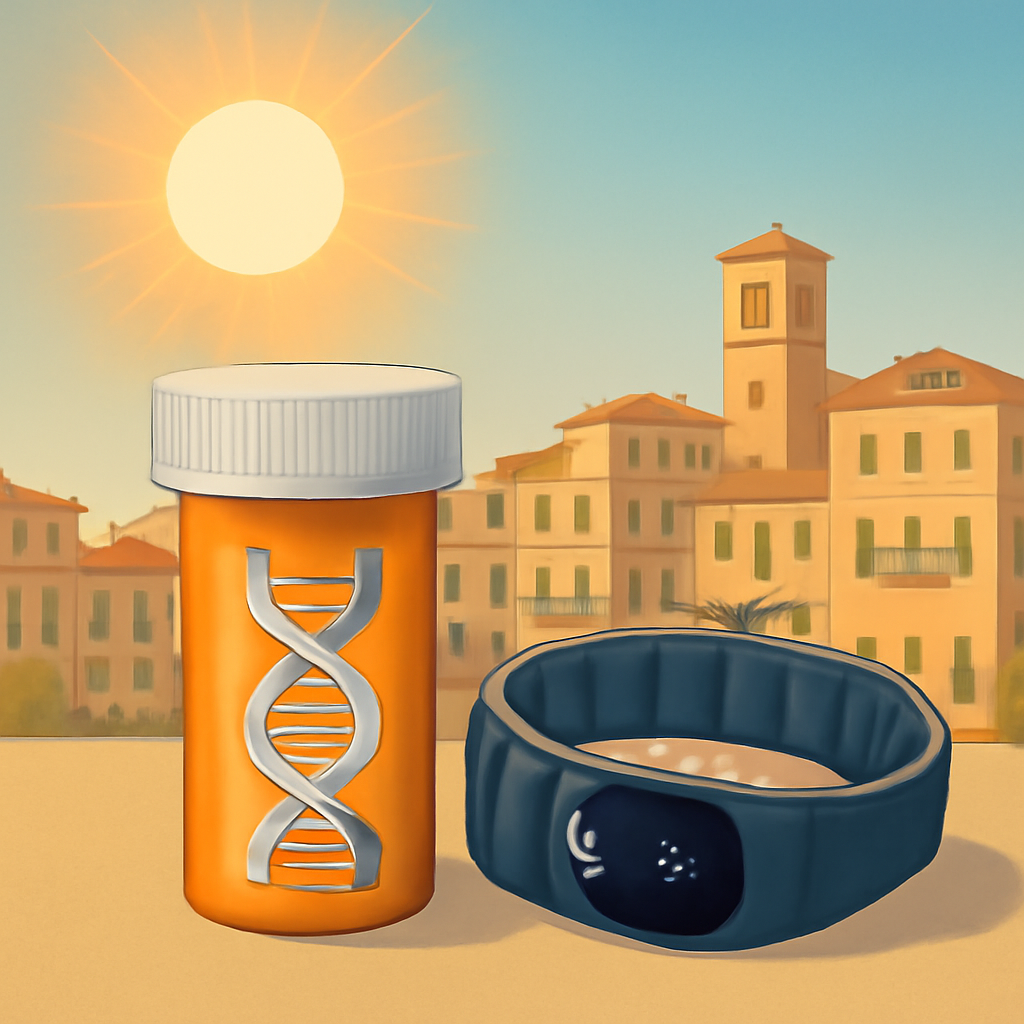
On August 28, 2026, three major stories shaped science and health news. Southern Italy and other southern regions are in the midst of an intense heatwave, with temperatures exceeding 40°C, marking the fifth such event this summer. Meanwhile, US-based Generation Lab claims its new drug combination can “stop the spread of aging”—and is seeking influencers to test it. Lastly, sleep technology is under scrutiny as a class action lawsuit alleges that Oura’s popular sleep tracker is no more accurate than a coin toss, questioning the reliability of its AI-driven inferences.
Why It Matters
These stories reflect the intersection of climate, biotechnology, and digital health—sectors with direct impact on daily life. Prolonged extreme heat poses immediate risks to public health and infrastructure, especially in vulnerable regions. The anti-aging drug announcement highlights both the promise and controversy of biotech innovation, especially as companies leverage social media for validation. The Oura lawsuit raises broader concerns about consumer trust in health tech, particularly as AI-driven devices become more mainstream.
Key Stats
- Temperatures in southern Italy are expected to surpass 40°C, with six cities under red alert for health risks.
- 2026 marks the fifth major heatwave in southern Europe this summer, straining healthcare systems.
- Generation Lab’s anti-aging drug has not yet undergone large-scale clinical trials or regulatory approval.
- The Oura lawsuit claims the device’s sleep tracking is accurate only about 50% of the time, challenging its scientific validity.
What's Next
Authorities in southern Europe are preparing emergency measures to manage the health risks posed by the ongoing heatwave, while meteorologists forecast a temporary respite for northern regions. Regulatory scrutiny is likely to intensify around Generation Lab’s anti-aging claims, especially as the company courts influencers. The outcome of the Oura sleep tracker lawsuit could set precedents for how AI-powered health devices are marketed and regulated, with implications for companies and consumers alike.