Record Heat, Brain Tech, and Surprising Science: September 1 Science & Health Recap
What Happened
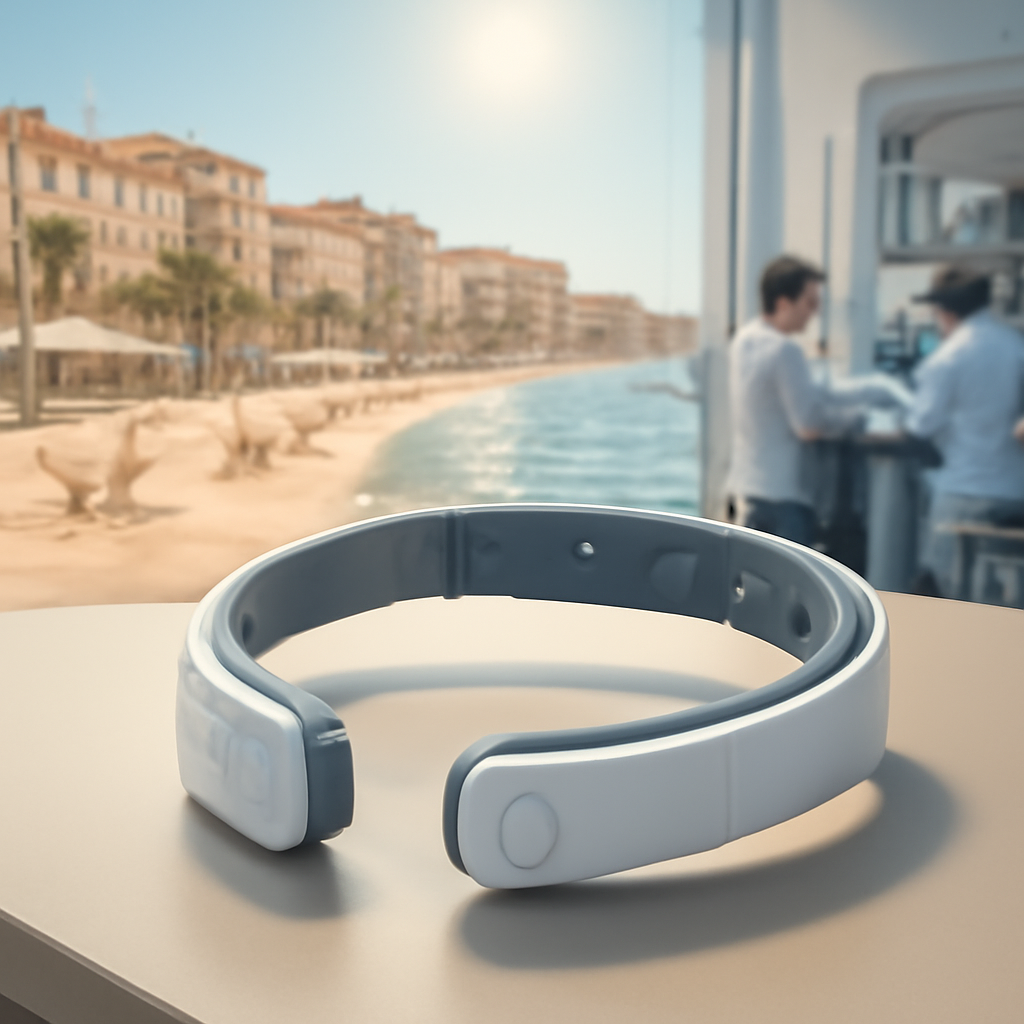
The first day of September brings a mix of urgent climate news, technological innovation, and curious scientific findings. The Mediterranean Sea experienced its hottest July since 1993, with surface temperatures averaging around 27°C. In Italy, several cities are under heat warnings as high temperatures persist. Meanwhile, Atlas unveiled a $499 wearable EEG designed to help users track their internal brain states, and researchers published a light-hearted yet rigorous study debunking the idea that fluorescent lamps can "hear."
Why It Matters
Extreme heat events continue to challenge public health and environmental stability across Southern Europe. High sea surface temperatures can disrupt marine ecosystems, while persistent heatwaves stress city infrastructure and populations, especially vulnerable groups. On the technology front, consumer brain-monitoring devices like the Atlas 1.0 raise new possibilities for self-awareness and medical monitoring, but also prompt questions about privacy and effectiveness. Finally, rigorous negative results in scientific publishing, such as the fluorescent lamp study, highlight the importance of testing and debunking widely held misconceptions.
Key Stats
- July 2026 was the hottest in the Mediterranean since 1993, with an average sea surface temperature of 27°C.
- 79% of the Mediterranean Sea registered above-average temperatures this July.
- Italian cities Bari and Campobasso issued red heat alerts, with others like Palermo, Cagliari, and Rome on orange alert.
- Atlas 1.0 EEG wearable launches at $499, targeting consumer brain state monitoring.
What's Next
Meteorologists and climate scientists will continue to monitor Mediterranean temperatures and issue warnings as needed. Italian authorities are expected to maintain or escalate alerts depending on temperature trends in the coming days. The Atlas 1.0 wearable may prompt further discussion and research into consumer neurotechnology, both for health and ethical implications. As for science communication, the publication of negative results remains vital for refining our understanding and preventing the spread of myths—whether about lamps "hearing" or other persistent misconceptions.