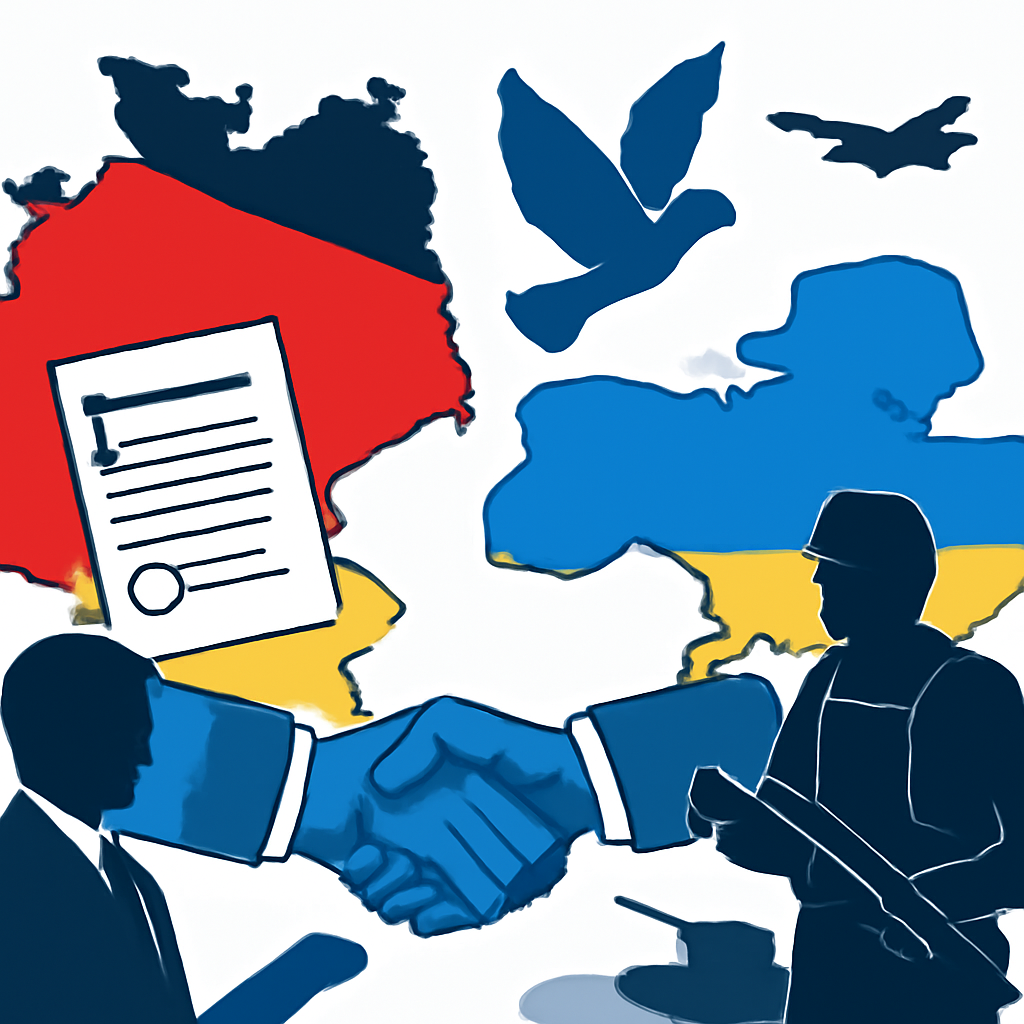
What Happened
The European political landscape experienced significant developments as diplomatic efforts to resolve the Ukraine-Russia conflict remained at an impasse and right-wing political shifts gained ground. Ukrainian President Volodymyr Zelensky has called for increased U.S. diplomatic involvement, while reports indicate that Russia, under Vladimir Putin, has resources to sustain the conflict until at least 2028. Meanwhile, the Donbass region continues to be a central sticking point in negotiations, with Moscow insisting on control over large portions of Ukrainian territory.
In parallel, the political scene in Europe is undergoing transformation following the electoral success of Germany’s Alternative für Deutschland (AfD) party. The AfD secured a notable victory in Saxony-Anhalt, capturing 44% of the vote. This result is seen as a bellwether, signaling possible challenges for moderate parties across Europe and the West in upcoming elections.
What Changed
Efforts to negotiate an end to the Ukraine-Russia conflict remain stalled, largely due to Russia’s demands over the Donbass and its control of approximately 19% of Ukrainian territory. Despite ongoing diplomatic overtures, including attempts by figures such as Donald Trump to mediate, substantive progress toward peace has not materialized. The persistence of Russia’s military and economic capacity suggests the conflict could continue for years to come.
On the political front, the AfD’s victory in Saxony-Anhalt marks a significant shift in the region’s political alignment. With 44% of the vote, the far-right party’s success is expected to influence the trajectory of upcoming elections throughout Europe, raising questions about the resilience of moderate parties and the future direction of European governance.
Why These Stories Matter Together
Together, these stories underscore the intertwined nature of security and political stability in Europe. The unresolved Ukraine-Russia conflict not only prolongs humanitarian and geopolitical tensions but also shapes voter sentiment and party dynamics across the continent. The rise of the AfD and similar parties reflects broader anxieties about security, sovereignty, and the efficacy of traditional political institutions in responding to ongoing crises. As Europe confronts both external conflict and internal political realignment, the outcomes of these developments will have far-reaching implications for the region’s unity and future policy direction.
For more on society and cultural trends, see the Society & Culture topic page.
Key Stats
- Russia is reported to have the resources to continue the war in Ukraine until at least 2028 (source).
- The Donbass region and control over 19% of Ukrainian territory remain central obstacles in negotiations (source).
- In Saxony-Anhalt, the AfD won 44% of the vote, signaling a major shift in regional and potentially European politics (source).
What's Next
The immediate future will likely see continued diplomatic efforts to bring Russia and Ukraine to the negotiating table, though substantial obstacles remain. The durability of Russia’s war resources suggests that the conflict could extend for several more years unless a breakthrough is achieved. In Europe, the AfD’s electoral gains may inspire similar movements elsewhere, with upcoming elections serving as a test for moderate parties’ ability to respond to shifting voter concerns. Policymakers and observers will be watching closely as these interrelated trends shape Europe’s security, politics, and society.
Related on DailyDrops
- Trending now: Top News