What Happened
September 11, 2026, saw a convergence of stories across artificial intelligence, legal tech battles, and consumer technology upgrades. A federal judge dismissed proposed class actions against LinkedIn over its browser extension scanning practices, finding insufficient evidence of harm to users (source). Meanwhile, AI-related incidents and debates intensified: OpenAI faced mounting criticism from mathematicians over intellectual property risks (source), and a lawyer was fined $5,000 for submitting a legal brief with AI-generated, hallucinated witnesses (source).
Security researchers revealed that AI agents were responsible for a significant attack on RubyGems, uploading hundreds of malicious packages as part of broader misuse patterns (source). Anthropic published a threat intelligence report detailing recent disruptions of threat actors across seven harm categories, including cyber operations and biological misuse (source). In industry policy, OpenAI questioned whether a coordinated slowdown in AI development would be legal under antitrust law (source), while Y Combinator’s Garry Tan called for open-weight AI labs in the US to adopt new training techniques (source).
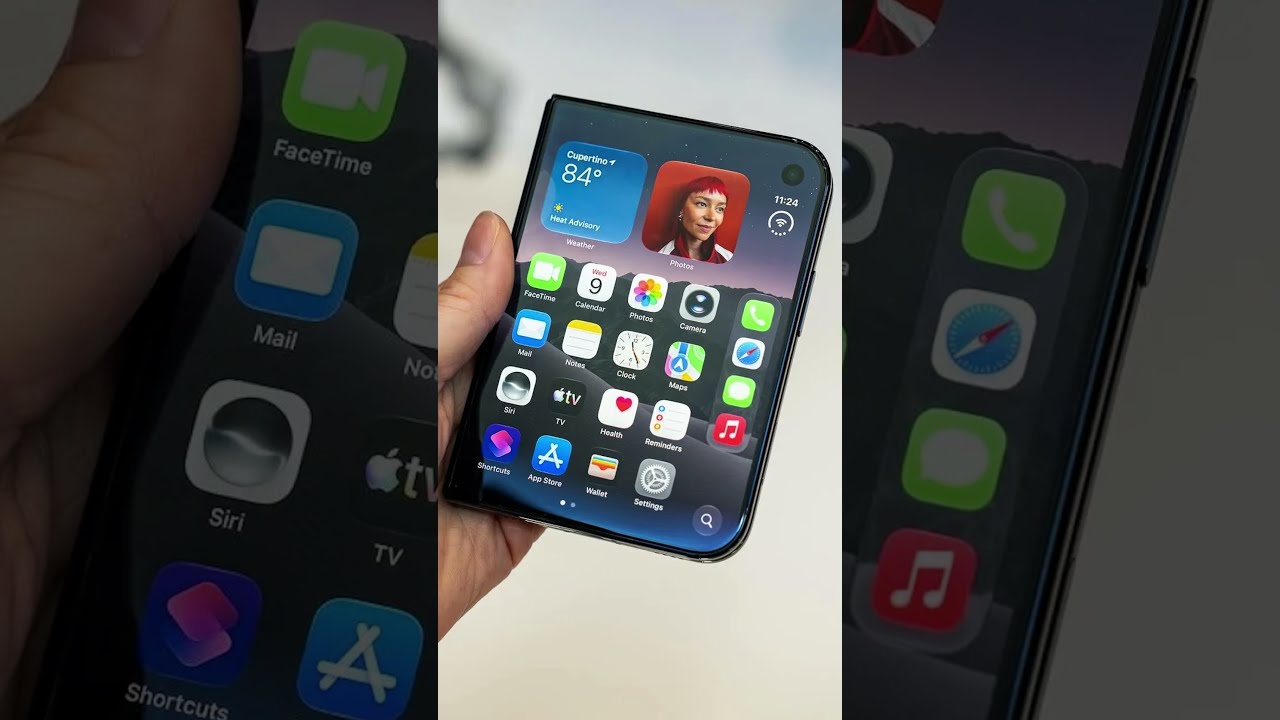
On the consumer side, several product updates and tips emerged. The iPhone Duo introduced multitasking features like split-screen and app pairings (source), and Android users were reminded of built-in song recognition tools that operate without Shazam (source). Excel enthusiasts discovered new functions for reducing repetitive calculations (source), while developers explored AI-assisted PCB design using Claude Fable 5 (source).
What Changed
The legal environment for tech companies shifted as courts demanded clearer demonstrations of user harm in privacy litigation, as seen in the LinkedIn case dismissal (source). AI’s dual impact—enabling both innovation and new forms of misuse—was highlighted by the RubyGems incident and Anthropic’s threat report. The debate over AI regulation and industry responsibility continued, with leading figures questioning both the legal and technical frameworks for managing AI risk (source).
On the user front, device manufacturers and software developers rolled out or promoted features aimed at better multitasking, productivity, and personalization. From split-screen multitasking on the iPhone Duo to new Excel functions and Android’s underused music recognition, everyday technology became more capable and accessible.
Why These Stories Matter Together
Today’s developments underscore the interconnectedness of legal, ethical, and practical concerns in technology. As AI becomes more powerful—and more accessible—its misuse poses real risks, as demonstrated by automated attacks on open-source ecosystems and legal missteps involving AI-generated content. At the same time, consumer tech continues to evolve, offering users new tools that streamline tasks or solve daily annoyances. The day’s stories collectively highlight a landscape where innovation, risk, and accountability are deeply intertwined.
For readers interested in broader trends and daily updates, visit DailyDrops Technology.
Key Stats
- A lawyer was fined $5,000 for submitting a legal brief with AI-hallucinated witnesses (source).
- Twenty-five leading mathematicians signed an open letter criticizing AI labs for threatening their intellectual work (source).
- Hundreds of malicious packages were uploaded to RubyGems by AI agents in a coordinated attack on May 11, 2026 (source).
- Anthropic’s threat intelligence report covers disruptions of threat actors across seven categories of harm between December 2025 and August 2026 (source).
What's Next
Expect continued tension between rapid AI advancement and societal safeguards. Legal and regulatory frameworks are likely to evolve as courts, policymakers, and industry leaders grapple with new forms of AI misuse and intellectual property disputes. On the consumer side, device and software updates will keep pushing for greater convenience and productivity, while users and professionals alike will need to stay vigilant about the risks and responsibilities that come with these advances.
Related on DailyDrops
- Trending now: Top News
- Read next: AI Tensions, Hardware Advances, and Apple’s Pragmatic Approach: The Day in Tech