From Heatwaves to Hidden Wrecks: Science and Health Updates from July 10, 2026
Today’s science and health news brings a close look at how environmental and biological factors intersect. Italian health officials are studying local dengue outbreaks, meteorologists warn of a new and intense heatwave set to grip Europe, and marine scientists unveil the first images of the Quest shipwreck—offering a glimpse into both historical loss and ecological renewal.
What Happened
Dengue Transmission in Italy: Health authorities in Italy have observed that dengue fever outbreaks, typically sparked by imported cases, tend to remain highly localized. Data show that the transmission of the virus is concentrated within a 400-meter radius of the initial infection source. This insight provides an important understanding of how dengue spreads in non-endemic regions and guides targeted interventions.
Impending European Heatwave: Meteorologists are tracking a severe and persistent heatwave forecasted to affect Italy and western Europe from July 13. The phenomenon is linked to what experts call an “omega block” in atmospheric circulation—a configuration in which high pressure traps hot air, leading to prolonged periods of extreme heat. Authorities are preparing for the associated health and infrastructure impacts.
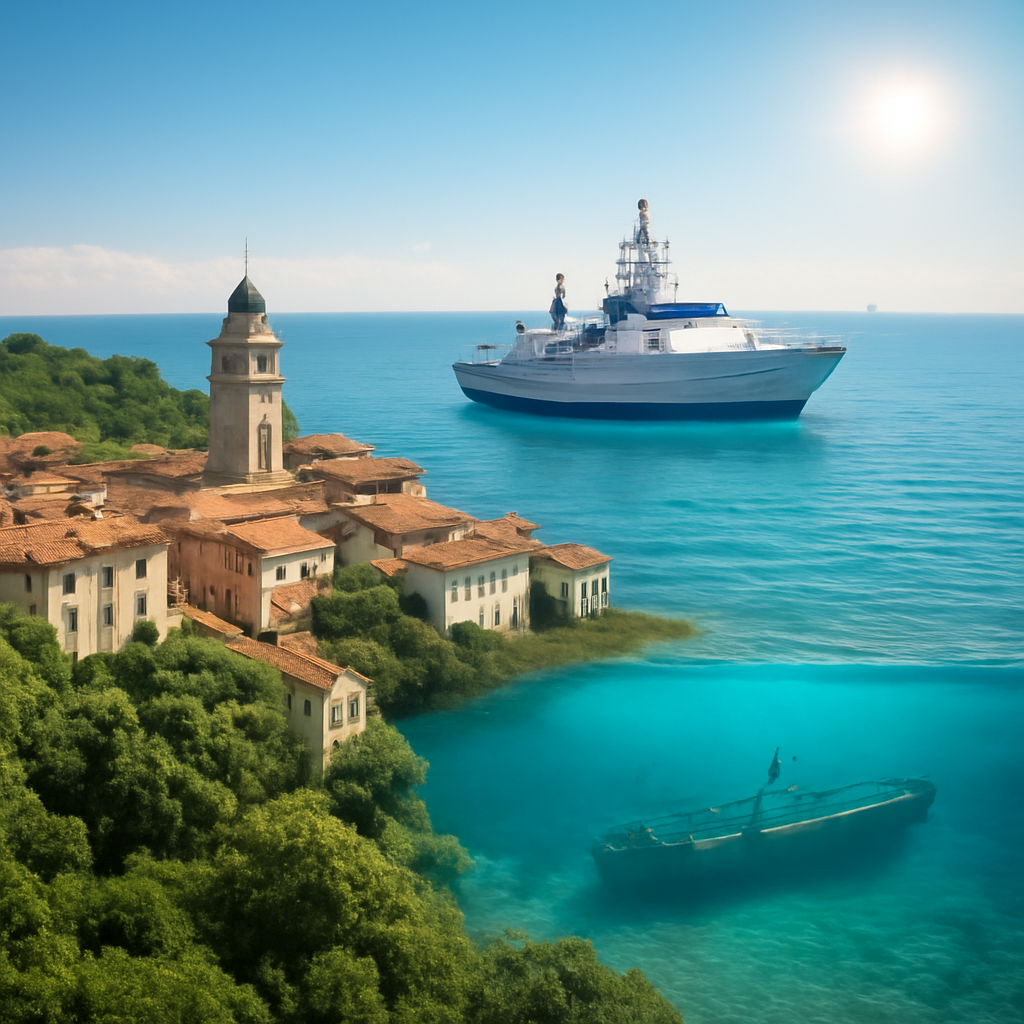
Quest Shipwreck Revealed: Marine researchers have published the first images of the Quest shipwreck, which was recently discovered. Despite being in worse structural condition than anticipated, the wreck has become a robust marine habitat. The site now supports a diverse ecosystem, underscoring the dual narrative of human loss and nature’s adaptability.
Why It Matters
These stories highlight how both human activity and environmental shifts can have immediate and long-term effects on public health and ecosystems. Understanding the localized nature of dengue transmission can help prevent wider outbreaks in Europe, while heatwaves underscore the growing challenges related to climate change. The Quest shipwreck, meanwhile, demonstrates the ocean’s capacity to repurpose even damaged remnants into thriving habitats.
Key Stats
- Dengue outbreaks in Italy: Transmission is concentrated within a 400-meter radius of the index case.
- Heatwave onset: Expected to begin across Italy and western Europe on July 13, driven by an omega block pattern.
- Quest shipwreck: Structure is more deteriorated than anticipated but now supports a diverse marine ecosystem.
- Dengue importation: Outbreaks are linked to cases imported from abroad, not local viral reservoirs.
What's Next
Italian health authorities are likely to focus on hyper-local interventions for dengue control, such as targeted mosquito control and community awareness. Emergency services across Europe are preparing for increased demand as the heatwave approaches, with advisories for vulnerable populations. Marine scientists will continue to study the Quest wreck, both for archaeological insights and to monitor its evolving ecological role.