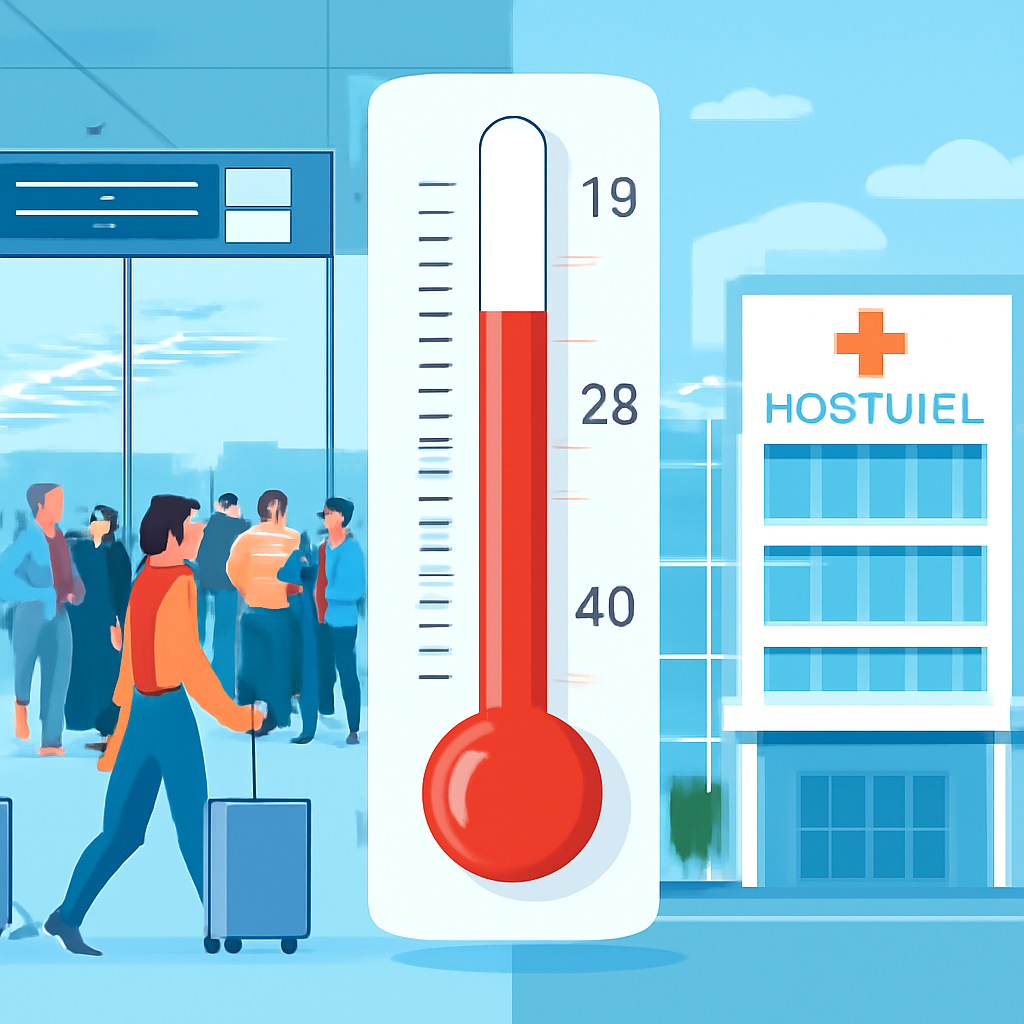
Summer Health Risks: Heatwaves, Travel Precautions, and Ebola Concerns
The summer of 2026 is shaping up to be both adventurous and challenging. As millions of people plan international trips, health experts urge travelers to remain vigilant against infectious diseases. Meanwhile, a record-breaking heatwave grips Italy, prompting official warnings. Across the Atlantic, the United States maintains a firm stance on Ebola protocols, sending a second American patient to Germany for treatment.
What Happened
Three major developments marked today’s science and health news. Italian health authorities released a set of guidelines for travelers heading to tropical destinations, emphasizing the importance of vaccinations and preventive measures against diseases like malaria and yellow fever. At the same time, Italy is experiencing a severe heatwave, with seven cities reaching the highest level of health alert. Finally, the United States continued its policy of not treating Ebola-infected citizens domestically, instead transferring a second American patient to a hospital in Frankfurt, Germany, where the individual is reported to be in stable condition.
Why It Matters
These events highlight the intersection of global mobility, climate change, and infectious disease management. As international travel resumes post-pandemic, the risk of importing or spreading diseases remains significant. The European heatwave underlines the ongoing impact of climate change on public health, particularly for vulnerable populations. The US approach to Ebola reflects ongoing caution in handling high-risk pathogens, with implications for biosecurity and international collaboration in healthcare.
Key Stats
- 7 Italian cities have been issued a 'red alert' for extreme heat, the highest warning level.
- The Ministry of Health in Italy has updated its travel health guidelines, focusing on malaria, yellow fever, and other tropical diseases.
- The US has now sent two Ebola-infected citizens to Germany for treatment in 2026.
- Heat-related illnesses and deaths tend to spike during prolonged periods of high temperatures, especially among elderly and chronically ill individuals.
What's Next
Travelers are advised to consult with healthcare providers before departing for tropical regions and to follow official guidance on vaccinations and disease prevention. Italian authorities continue to monitor the heatwave and may extend health advisories as temperatures peak mid-week. International protocols for handling infectious diseases like Ebola are likely to remain under review, balancing patient care with public safety. As summer progresses, authorities emphasize preparedness and caution to minimize health risks both at home and abroad.