Heat Waves, Ancient Diseases, and the Mind: Science & Health News Recap
What Happened
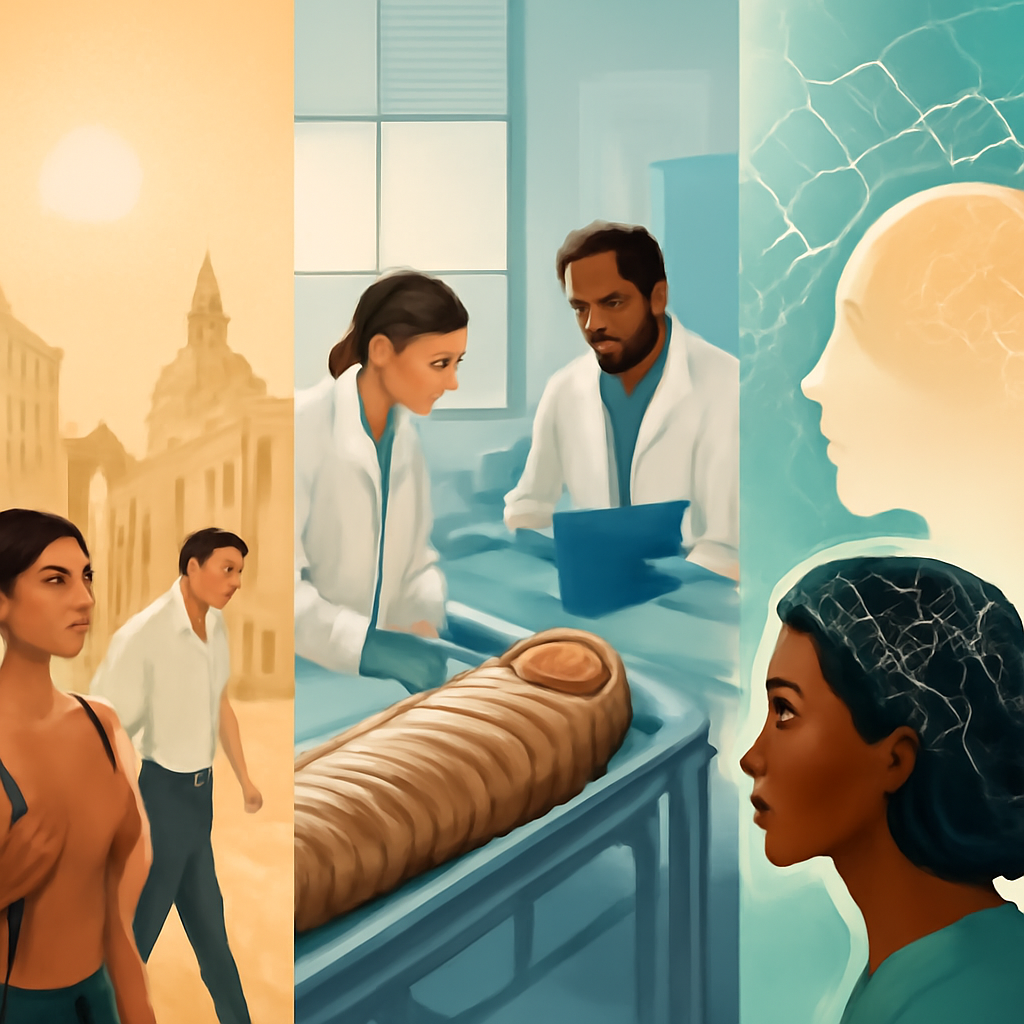
On August 3, 2026, three significant stories shaped the science and health landscape. Italy continued to endure its fourth major heatwave of the summer, with 25 cities under red alert as temperatures reached new highs. In the Americas, research on ancient Chilean mummies provided strong evidence that Europeans introduced smallpox during colonization, adding new layers to our understanding of disease transmission. Meanwhile, the Stanford Encyclopedia of Philosophy revisited the computational theory of mind, prompting fresh discussions about how we conceptualize human cognition.
Why It Matters
These stories highlight urgent public health challenges, the enduring impact of historical disease transmission, and ongoing debates in the philosophy of mind. The heatwave in Italy underscores the increasing frequency and severity of extreme weather events, likely linked to climate change, and the strain these place on urban infrastructure and health systems. The findings from Chilean mummies not only confirm the European origin of smallpox in the Americas but also expand our knowledge of how pathogens traveled and evolved. The examination of the computational theory of mind reflects a growing interest in the intersection of philosophy, cognitive science, and artificial intelligence.
Key Stats
- 25 Italian cities reached 'red alert' status due to extreme heat on August 3, 2026.
- Italy is experiencing its fourth major heatwave of the summer, with record-breaking temperatures nationwide.
- Analysis of Chilean mummies provides direct evidence of smallpox introduction to the Americas by Europeans.
- The computational theory of mind, a central topic in philosophy, continues to inform debates on AI and human cognition.
What's Next
As Italy awaits relief from the heat, authorities are expected to implement additional measures to protect vulnerable populations. The smallpox findings may prompt further studies on the spread of other diseases during colonial times and reinforce the importance of bioarchaeological research. Discussions around the computational theory of mind are likely to intensify as advances in AI raise new questions about consciousness and cognition, bridging philosophical inquiry with technological development.