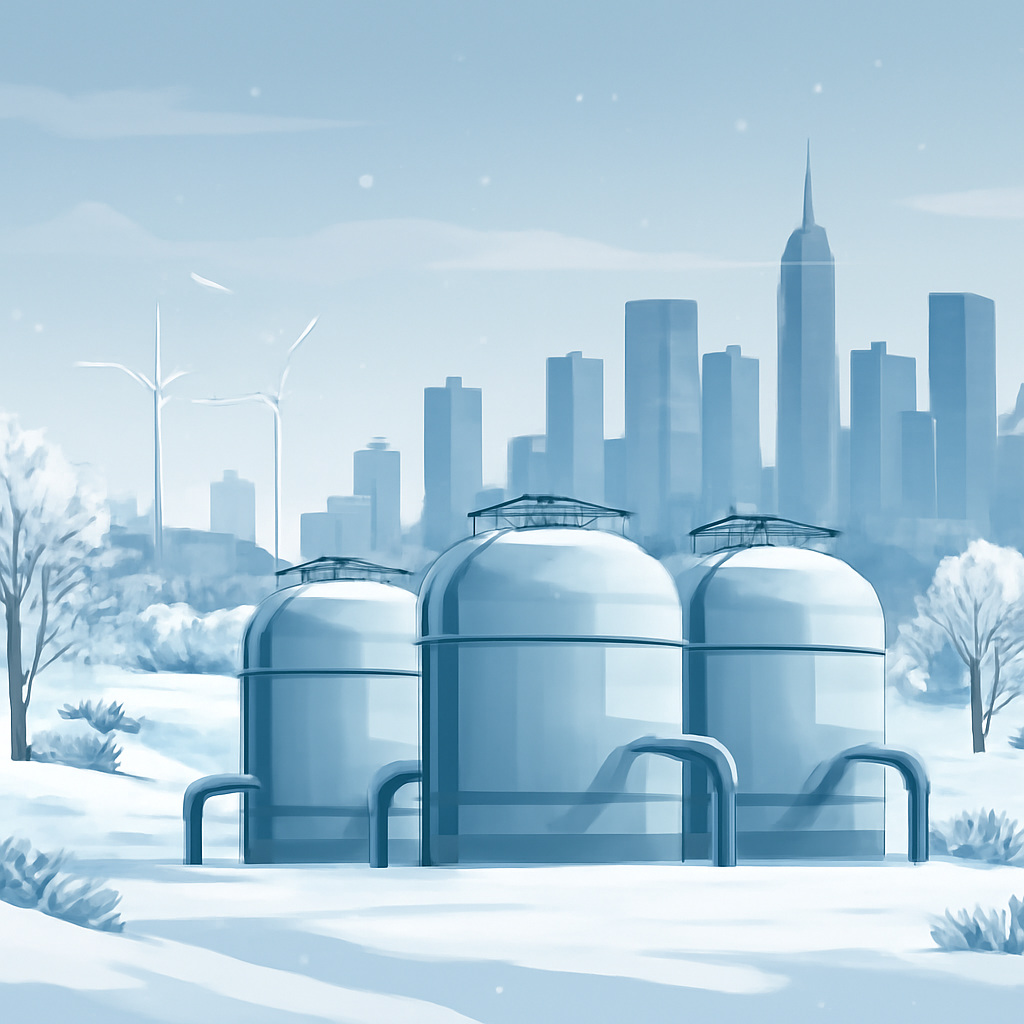
Europe Faces Critical Gas Shortages Ahead of Winter, but Italy Stands Out
What Happened
Despite ongoing summer heatwaves, Europe is already bracing for a challenging winter. According to a recent report from Startupbusiness.it, the continent's gas reserves have reached their lowest level in 13 years. This situation is sparking concern among policymakers and energy experts about the ability to meet heating and industrial needs during the upcoming cold months. The shortage is especially pronounced across several EU member states, but Italy is highlighted as a notable exception due to its more prudent stockpiling and diversified energy approach.
Why It Matters
Natural gas remains a cornerstone of Europe's energy system, particularly for heating and electricity generation. Low reserves at the start of the heating season leave countries vulnerable to price spikes, supply disruptions, and potential shortages. The issue is compounded by ongoing geopolitical uncertainties and reduced imports from key suppliers. For households and industries alike, this could translate into higher costs and, in extreme cases, rationing or temporary shutdowns. Italy's comparatively strong position provides a potential model for energy resilience within the EU.
Key Stats
- European gas reserves are at their lowest point since 2013.
- EU storage facilities are estimated to be below 60% capacity, well under the typical seasonal average.
- Italy's storage rate is above 75%, outpacing many EU neighbors.
- Several countries are considering emergency measures, including rationing and increased imports from alternative suppliers.
What's Next
EU governments are intensifying efforts to secure additional supplies before the start of winter. This includes negotiating new contracts, accelerating renewable projects, and reviewing contingency plans for rationing. Italy's proactive approach—rooted in diversified supply sources and robust storage policies—will likely be studied as a blueprint for others. As the colder months approach, the effectiveness of these measures will be put to the test, with the coming winter serving as a critical stress test for Europe's energy resilience.